

The African Trilogy
3 books
The African Trilogy series by Chinua Achebe has 3 books. Start with Things Fall Apart (1958), then read the rest in the order below.
The African Trilogy reading order
Things Fall Apart
Chinua Achebe
Chinua Achebe's seminal novel, "Things Fall Apart," masterfully chronicles the tragic collision of Igbo traditions with the encroaching forces of European colonialism in late 19th-century Nigeria. The story centers on Okonkwo, a proud and respected warrior whose life and community are irrevocably altered by the arrival of British missionaries and administrators. As Okonkwo fiercely resists the erosion of his cultural heritage and the imposition of foreign laws and beliefs, he grapples with the profound despair of his people's gradual capitulation to a new, imposed order. Achebe's powerful narrative not only illuminates the richness of pre-colonial African life but also serves as a poignant testament to the devastating loss of a world and offers enduring insights into the complexities of cultural identity and change.
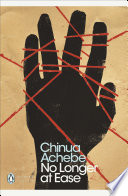
No Longer at Ease
Chinua Achebe
A promising young Nigerian scholar, Obi Okonkwo, returns home to face a devastating charge: accepting a bribe. As the trial unfolds, the narrative shifts backward to the choices and pressures that shaped his rise and his unraveling, from the promise of education abroad to the moral compromises awaiting him in everyday life. Woven through Obi’s story are themes of colonial legacy, cultural conflict, personal integrity, and the corrosive pull of ambition in a society negotiating new rules. Written with Chinua Achebe’s incisive realism and sharp social insight, this novel captures how ideals can be tested—and how a single decision can echo far beyond one man’s conscience.
Arrow of God
Chinua Achebe
In 1920s Nigeria, the chief priest Ezeulu of the god Ulu must navigate a fragile balance between tradition, communal duty, and the pressures of British colonial rule. When conflict with a neighboring village and a devastating disruption to the harvest leave Umuaro vulnerable, outside religious influence offers a tempting alternative—one that tests loyalties, reshapes belief, and threatens to fracture the community’s spiritual order. As Ezeulu’s authority is challenged and his decisions carry consequences far beyond the shrine, the novel explores how faith, power, and identity collide when cultures meet under unequal terms. Achebe’s incisive, richly textured storytelling—rooted in Igbo life and moral complexity—makes *Arrow of God* a compelling study of leadership, destiny, and the cost of being “the arrow” that carries a people’s will.