Arbat Trilogy
3 books
The Arbat Trilogy series by Anatoli Rybakov has 3 books. Start with Children of the Arbat (1987), then read the rest in the order below.
Arbat Trilogy reading order
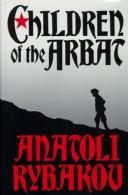
Children of the Arbat
Anatoli Rybakov
Set in Moscow during the turbulent 1930s, this sweeping historical novel follows young intellectuals whose friendships, ambitions, and ideals are tested by the tightening grip of Stalinist repression. At its center is Sasha Pankratov, a principled student whose unjust persecution exposes the human cost of political suspicion and state terror. Moving between private lives and the highest reaches of power, the novel explores loyalty, moral courage, betrayal, and the struggle to preserve one’s humanity under an authoritarian regime. Rich in historical detail and psychological insight, it offers a powerful portrait of Soviet society on the eve of its darkest trials.
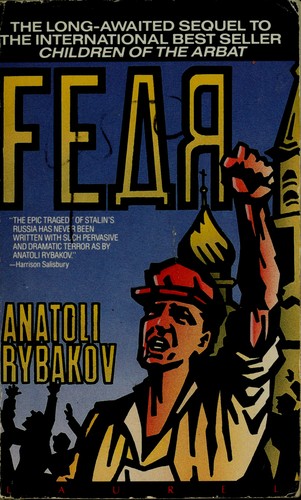
Fear
Anatoli Rybakov
Set amid the tightening grip of Stalinist repression, this powerful historical novel follows individuals whose careers, loyalties, and private lives are threatened by a political system built on suspicion. As fear becomes an instrument of control, personal relationships collide with ideological conviction, forcing characters to confront the cost of silence, compromise, and resistance. Combining intimate human drama with a sweeping portrait of Soviet society, the novel explores power, betrayal, moral courage, and the devastating consequences of totalitarian rule. Its vivid depiction of an era shaped by surveillance and arbitrary persecution offers a compelling examination of how political terror transforms both public life and the human spirit.
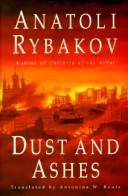
Dust and Ashes
Anatoli Rybakov
Set against the final years of Stalin’s rule, this powerful novel follows individuals struggling to preserve their identities, relationships, and moral convictions beneath the crushing pressure of Soviet repression. As political fear reaches into every corner of daily life, personal loyalties collide with the demands of survival and conformity. Exploring memory, guilt, courage, and the human cost of totalitarianism, the book offers a sweeping and deeply personal portrait of a society shaped by suspicion. Its restrained yet emotionally forceful prose gives intimate weight to one of the defining tragedies of the twentieth century.