Cities of Salt
3 books
The Cities of Salt series by Abdelrahman Munif and ʻAbd al-Raḥmān Munīf has 3 books. Start with Cities of Salt (1988), then read the rest in the order below.
Cities of Salt reading order
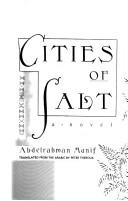
Cities of Salt
Abdelrahman Munif
This seminal work of petrofiction chronicles the profound transformation of an Arabian oasis following the discovery of vast oil reserves. As immense, oil-rich cities rise from the desert, they are starkly depicted as "cities of salt"—places offering no sustainable existence. The novel explores the complex and often devastating impact of this newfound wealth on the land, its people, and their future. It is the first volume in a sweeping quintet that critically examines the consequences of resource exploitation and the allure of rapid modernization.
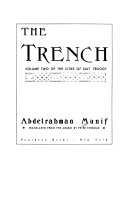
The Trench
ʻAbd al-Raḥmān Munīf
In this sweeping saga, the discovery of oil irrevocably transforms a traditional desert kingdom, ushering in an era of unprecedented change and upheaval. Spanning from the mid-1930s to the late 1950s, the narrative meticulously chronicles the profound impact of Western oil conglomerates on the land and its people. As ancient ways of life clash with the relentless march of modernization, the story delves into the complex social, political, and economic shifts that redefine the region's destiny. This powerful novel explores themes of cultural identity, the allure and corruption of wealth, and the enduring human spirit in the face of seismic transformation.
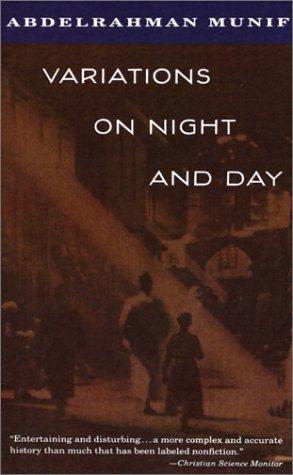
Variations on Night and Day
Abdelrahman Munif
Set against the shifting sands of a fictionalized Middle Eastern world, this final volume of the acclaimed Cities of Salt trilogy follows Khureybet’s rise from a calculated act of vengeance to the pinnacle of political power. As alliances are forged and broken, Munif delivers Machiavellian intrigue and searing political satire, exposing how ambition, loyalty, and fear can be weaponized in the pursuit of rule. With sharp character work and a keen eye for the machinery of governance, the novel explores themes of legitimacy, betrayal, and the moral cost of authority. Munif’s distinctive, unsparing style turns courtly maneuvering into a broader meditation on power’s corrosive effects—leaving readers to question what, if anything, can be truly “day” in a world built on night.