
Les Rougon-Macquart
15 books
Here are 15 books from the Les Rougon-Macquart series by Emile Zola and Émile Zola. Start with The Fortune of the Rougons (1871), then read the rest in the order below.
Books in order
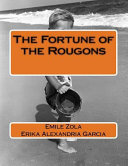
The Fortune of the Rougons
Emile Zola
Emile Zola's monumental Rougon-Macquart cycle begins with this sweeping saga, introducing a sprawling family whose destinies are intertwined with the tumultuous political landscape of Second Empire France. Set in the provincial town of Plassans, the narrative unfolds against the backdrop of the 1851 coup d'état, revealing how personal ambition, hereditary traits, and societal pressures shape the lives of its diverse characters. This novel serves as both a captivating origin story for the series and a vivid exploration of the era's social and political undercurrents, masterfully setting the stage for the epic drama to come.
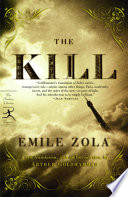
The Kill
Emile Zola
Emile Zola's 'The Kill,' a lost masterpiece of naturalism, plunges into the heart of Second Empire Paris, a city consumed by rampant speculation and moral decay. This unheralded classic, now available in a groundbreaking modern translation, explores the destructive forces of heedless desire and societal greed through the scandalous affair between a stepmother and her stepson. Set against the backdrop of a financier's frenzied pursuit of wealth, the novel vividly portrays the ravages of unchecked ambition on both individual lives and the soul of a burgeoning metropolis. Zola's signature pitiless and unflinching style dissects the corrupting influence of money and passion, leaving a haunting legacy of ruin.
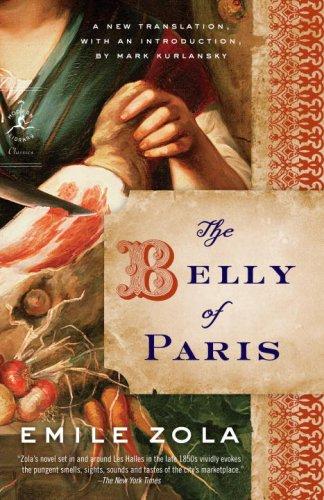
The Belly of Paris
Emile Zola
Emile Zola's "The Belly of Paris" plunges readers into the heart of the Second Empire's capital, following Florent Quenu, a man seeking refuge in the bustling Les Halles market after escaping unjust imprisonment. As Florent navigates the vibrant, chaotic world of Parisian food vendors, he becomes entangled in a complex web of social and political intrigue. Zola masterfully contrasts the opulent culinary displays with the stark realities of poverty, exposing the widening chasm between the rich and the poor. This vivid portrayal of a city in transformation, rich with sensory detail and sharp social commentary, offers a compelling look at the forces shaping modern Paris.
The Sin of Father Mouret
Emile Zola
Emile Zola's "The Sin of Father Mouret" plunges into the tumultuous inner world of Serge Mouret, a young priest torn between his sacred vows and burgeoning earthly desires. Set against a backdrop of intense religious fervor and the stark realities of nature, the novel explores the profound and often devastating conflict between spiritual devotion and carnal passion. As Serge grapples with his faith and his forbidden love, he embarks on a journey that confronts the very essence of human nature, sin, and redemption. Zola masterfully crafts a powerful narrative that delves into the psychological and emotional depths of a man caught in an inescapable spiritual and sensual crisis.
L'assommoir
Emile Zola
In Paris’s working-class quarters, Gervaise dreams of dignity and stability as she tries to build a life around love, labor, and the hope of a small business. But as poverty tightens its grip and relationships fracture under pressure, her struggle becomes a relentless descent shaped by drink, exploitation, and the brutal economics of everyday survival. Through Gervaise’s choices and the forces that overwhelm them, the novel examines how social conditions can erode character—and how quickly a search for respectability can turn into ruin. Written in Émile Zola’s uncompromising naturalist style, this landmark work blends intimate realism with sweeping social critique, making it both a gripping human story and a powerful study of class, addiction, and fate.
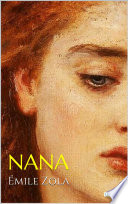
Nana
Émile Zola
In the glittering world of Parisian entertainment, Nana emerges not with talent, but with an undeniable, intoxicating allure. Rising from humble beginnings, this captivating woman becomes the most sought-after courtesan, a siren whose beauty and sensuality captivate the city's elite. Men of wealth and status fall prey to her charms, sacrificing fortunes and dignity, while others are driven to despair by her indifference. Nana, a symbol of decadent excess and a fleeting era, moves through her opulent life with a breathtaking, destructive grace, leaving a trail of ruin in her wake.
Pot Luck
Émile Zola
Émile Zola's Pot Luck offers a biting satire of Parisian middle-class life in a newly constructed apartment block. The novel peels back the veneer of prosperity to reveal the secret lives and hidden desires of its inhabitants. Through a series of encounters and observations, Zola masterfully exposes the hypocrisy and social maneuvering that lie beneath the surface of respectable society. This sharp, witty work delves into themes of social climbing, reputation, and the often-unseen struggles within seemingly idyllic urban settings.
The Ladies' Paradise
Emile Zola
In the heart of 19th-century Paris, a revolutionary new department store, "The Ladies' Paradise," transforms the landscape of commerce and society. This sweeping novel follows Denise Baudu, a young woman who arrives seeking opportunity and finds herself swept into the dazzling, yet often ruthless, world of modern retail. Zola masterfully unveils the inner workings of this burgeoning empire, from its innovative sales tactics to the intense struggles and ambitions of the employees who fuel its success. "The Ladies' Paradise" is a vivid exploration of consumerism, ambition, and the human cost of progress, rendered with Zola's signature realism and keen social observation.
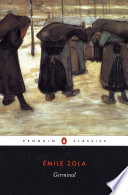
Germinal
Emile Zola
In this powerful novel from Émile Zola's celebrated Rougon-Macquart cycle, an unemployed railway worker named Etienne Lantier takes a desperate job at Le Voreux mine, only to discover a community of workers trapped in poverty, hunger, and debt. As conditions deteriorate and desperation mounts, Lantier becomes an unlikely leader of a strike that could either destroy or liberate the miners and their families. Through unflinching depictions of industrial exploitation and human suffering, Zola exposes the brutal inequalities of his era while simultaneously celebrating the resilience, compassion, and hope that sustains ordinary people in their darkest hours. A searing indictment of class oppression and a testament to the power of collective action, Germinal remains a landmark work of social realism that speaks urgently to contemporary struggles for justice and dignity.
The Masterpiece
Emile Zola
Émile Zola's "The Masterpiece" plunges into the tumultuous world of Parisian art through the eyes of Claude Lantier, a passionate and revolutionary painter. Driven by an unyielding vision, Lantier battles against the rigid conventions of the art establishment and his own internal struggles to create a work that will redefine genius. This novel offers a poignant exploration of artistic ambition, the isolation of the misunderstood visionary, and the clash between innovation and tradition. As a seminal work of French naturalism, Zola masterfully captures the bohemian spirit and the profound personal cost of pursuing artistic perfection.
The Earth
Émile Zola
In the heart of Beauce, a land where generations have toiled the soil, Jean Macquart finds himself entangled in the tumultuous lives of the Fouan family. As the patriarch, Old Man Fouan, attempts to divide his ancestral lands, simmering sibling rivalries ignite into a destructive conflagration fueled by greed and resentment. This powerful novel plunges into the raw, often brutal, realities of peasant life, exploring the primal forces of human nature when land and legacy are at stake. Émile Zola masterfully depicts a community teetering between tradition and decay, revealing the devastating consequences of ignorance and avarice.

The Human Beast
Émile Zola
Émile Zola's "The Human Beast" plunges readers into the grim realities of 19th-century France, exploring the destructive power of inherited madness and primal urges. The narrative centers on Lantier, a man tormented by a hereditary affliction that drives him to the brink of violence against women, creating a palpable sense of dread that permeates the story. Zola masterfully dissects the societal and psychological forces that contribute to human depravity, weaving a tale that is as much a social commentary as it is a gripping psychological thriller. This powerful novel, characteristic of Zola's unflinching naturalism, examines the fine line between civilization and the "human beast" lurking within.
The Beast Within
Emile Zola
In this gripping tale, a passionate affair ignites a dangerous spiral of deceit and murder. As a young man becomes entangled with his boss's wife, they hatch a desperate plan to eliminate her husband and seize a hidden fortune. However, the pursuit of wealth and forbidden love unleashes a primal darkness, forcing characters to confront the destructive impulses lurking within. Zola masterfully explores the depths of the human psyche, delving into the motivations behind violence and the corrupting influence of desire.

Money
Emile Zola
In the glittering, treacherous world of Second Empire Paris, Aristide Saccard, a man driven by insatiable ambition, seeks to rebuild his fortune after a devastating financial collapse. This gripping novel plunges into the heart of a society obsessed with wealth, where speculation, manipulation, and seduction are the currencies of power. As Saccard navigates the cutthroat landscape of finance, he encounters a cast of characters as complex and morally ambiguous as the era itself, all while grappling with the intoxicating allure and destructive potential of money. Zola masterfully exposes the corrupting influence of capitalism and the human cost of unchecked avarice in this searing portrait of a nation consumed by its pursuit of riches.

The Downfall
Emile Zola
Emile Zola's "The Downfall" plunges readers into the brutal realities of the Franco-Prussian War, following the fortunes of the French army as it faces overwhelming odds. Through vivid and unflinching prose, Zola captures the chaos, despair, and ultimate collapse of a nation's military might. This powerful novel explores themes of patriotism, disillusionment, and the devastating human cost of conflict. It stands as a stark and unforgettable testament to the tragic events of 1870-1871.