
March
3 books
The March series by John Lewis and others has 3 books. Start with March: Book One (2013), then read the rest in the order below.
March reading order
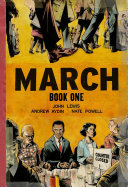
March: Book One
John Lewis, Andrew Aydin
This powerful graphic novel trilogy offers a deeply personal and unflinching account of Congressman John Lewis's early life and his pivotal role in the Civil Rights Movement. From his childhood in rural Alabama to his transformative encounters with Dr. Martin Luther King Jr. and the birth of the Nashville Student Movement, Book One vividly chronicles the courageous fight against segregation through nonviolent protest. Through stunning artwork and Lewis's own recollections, this first installment captures the spirit of a generation that dared to challenge injustice, culminating in the historic lunch counter sit-ins. It's a testament to the enduring power of activism and the long road traveled toward equality, resonating with the struggles and triumphs of a nation in transformation.
March. Book Two
John Lewis, Nate Powell, Andrew Aydin
This second volume of a powerful graphic memoir follows John Lewis through the civil rights movement’s most pivotal campaigns, from the Nashville sit-ins and Freedom Rides to the escalating struggle against segregation. Facing beatings, police brutality, imprisonment, arson, and murder, Lewis and his fellow activists risk everything while holding fast to the discipline and moral force of nonviolence. Told with candor and urgency, the book brings the movement’s courage, sacrifice, strategic battles, and enduring pursuit of justice vividly to life through the collaboration of memoir, history, and striking visual storytelling.
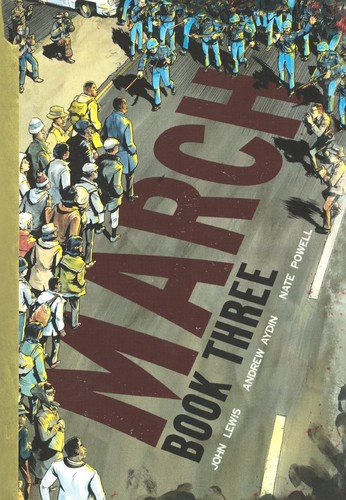
March. Book Three
John Lewis, Nate Powell, Andrew Aydin
The concluding volume of a landmark graphic memoir follows John Lewis and fellow young activists from the 1963 Birmingham church bombing through the Freedom Vote, Mississippi Freedom Summer, the battle for the Democratic Party, and the 1965 Selma campaign. As the Civil Rights Movement gains national attention, its leaders face increasingly brutal opposition while pursuing change through disciplined, courageous nonviolence. Vivid artwork and personal testimony illuminate the movement’s strategies, sacrifices, moral foundations, and the remarkable resilience of those who challenged American injustice. Framed by reflections on Barack Obama’s first inauguration, this powerful history connects the struggle of the past with the enduring pursuit of equality and democratic progress.