My Struggle
3 books
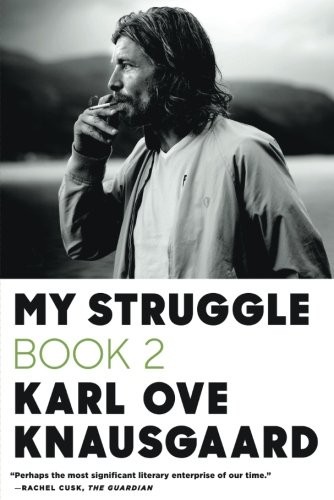
Here are 3 books from the My Struggle series by Karl Ove Knausgård. Start with My Struggle, Book 1 (2009), then read the rest in the order below.
Books in order
My Struggle, Book 1
Karl Ove Knausgård
Ten years after his father’s death from alcoholism, Karl Ove Knausgård turns his gaze inward with a startling commitment to “telling the truth.” In the first volume of this six-part work, he reconstructs everyday life in close, unvarnished detail—moving through family history, grief, and the pressures of becoming a father—until private memory feels inseparable from lived experience. Blending diary-like candor with the momentum of narrative, the book explores how identity is formed through repetition, confession, and the ongoing effort to stay present in one’s own life. With a style that prizes voice over invention, it invites readers to consider the cost and necessity of looking directly at what hurts, what endures, and what we owe to the people who shaped us.
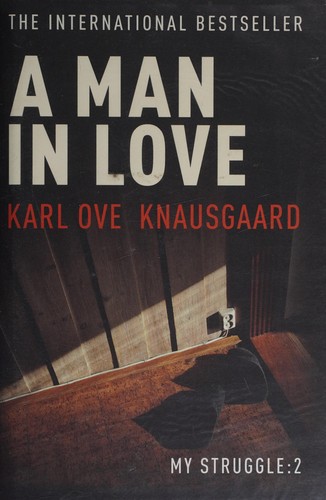
A Man in Love
Karl Ove Knausgård
In the second installment of his monumental autobiographical series, Karl Ove Knausgård delves into the profound complexities of love, marriage, and family life. This volume chronicles the author's passionate romance with his wife, Linda, their journey into parenthood with three children, and the everyday joys and challenges that shape their lives. Knausgård masterfully weaves together the mundane and the profound, exploring themes of reality versus fiction, the nature of identity, and the intricate dance between personal experience and artistic creation. With his signature unflinching honesty and immersive prose, he invites readers into the intimate landscape of his relationships and his ceaseless contemplation of life itself.
The End
Karl Ove Knausgård
In the final volume of a monumental autobiographical project, Karl Ove Knausgård turns his gaze to the boundary between private life and public meaning, confronting fear, doubt, and the stories people tell about one another. As he moves through the aftermath of a family death and the pressures of writing under scrutiny, he asks what it really means to be an individual—and what happens when the “we” of collective identity hardens into exclusion. Blending intimate reflection with a wider moral inquiry, the book examines life, love, literature, and death with Knausgård’s characteristic unsparing candor and restless intelligence. The result is a closing act that reframes history as something we participate in, not something that simply happens “to” others.