
Patrick Melrose
5 books
The Patrick Melrose series by Edward St Aubyn has 5 books. Start with Never Mind (1992), then read the rest in the order below.
Patrick Melrose reading order
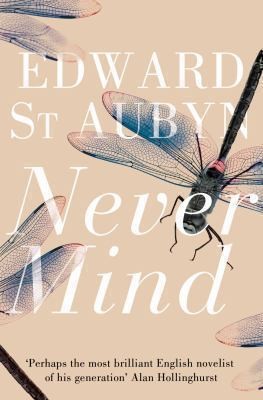
Never Mind
Edward St Aubyn
In a single, tightly focused day of childhood, Patrick Melrose—only five years old—finds himself trapped in a world of wealth and cruelty, where his father’s control and his mother’s addiction leave him exposed, frightened, and constantly bracing for what comes next. Edward St. Aubyn’s sharply observed prose follows Patrick’s attempts to hide, endure, and make sense of the adults who should protect him, revealing how dysfunction can be both intimate and systemic. The novel explores themes of power, neglect, trauma, and the uneasy performance of “normal” life within high society. With its unflinching emotional clarity and masterful storytelling, *Never Mind* delivers a devastating portrait in remarkably few pages—intense, precise, and impossible to forget.
Bad News
Edward St Aubyn
Edward St. Aubyn's "Bad News" plunges readers into the tumultuous inner world of Patrick Melrose during a harrowing three-day journey to New York City. Tasked with collecting his estranged father's ashes, Patrick finds himself confronting not only his family's dark legacy but also the crushing weight of his own severe heroin addiction. This intense, darkly humorous novel explores themes of trauma, memory, and the desperate search for solace amidst profound personal wreckage. St. Aubyn's unflinching prose and sharp wit create a portrait of a man teetering on the brink, making for a powerful and unforgettable reading experience.
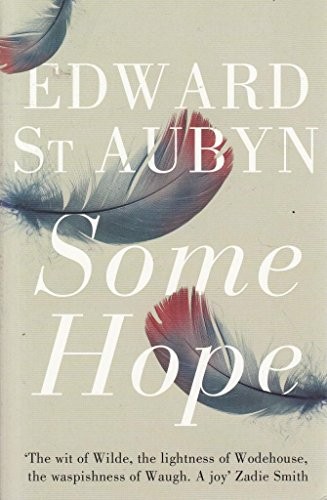
Some Hope
Edward St Aubyn
In this poignant and darkly humorous novel, a young man grappling with the aftermath of addiction and a traumatic past returns to England, seeking a fragile semblance of peace. As he navigates the complex social landscape of the British elite, he finds himself drawn into a world of glittering surfaces and hidden despair. The narrative unflinchingly explores themes of recovery, the corrosive nature of privilege, and the enduring search for connection amidst profound personal struggle. Through sharp wit and unflinching honesty, the author crafts a compelling portrait of a soul striving for redemption.
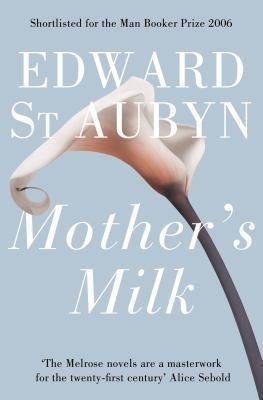
Mother's Milk
Edward St Aubyn
A barrister in midlife, Patrick, finds his carefully ordered world fraying as he pursues an old connection while returning to the emotional gravity of his mother’s house. In the shadow of Eleanor’s choices—her ability to endure by turning away from her son’s pain—the novel traces how love, loyalty, and self-preservation can become tangled within the roles of mother, wife, and caregiver. As Patrick’s relationships with his husband and children come into sharper focus, the story becomes a searching portrait of family inheritance: what we repeat, what we refuse, and what we can’t quite escape. With Edward St. Aubyn’s incisive, darkly observant style, this is a psychologically rich exploration of attachment, guilt, and the uneasy ways devotion can both sustain and wound.
At Last
Edward St Aubyn
At Last unfolds over the funeral of Eleanor and the gathering that follows, as Patrick confronts the emotional wreckage of family history in the stark space between grief and performance. Torn between the seductions of consolation and the pull of disappointment, he circles the same questions—what comfort is worth, what pain is inevitable, and what it means to keep living when the past refuses to stay buried. With St Aubyn’s razor-edged, darkly observant style, the novel turns intimate ritual into a searching study of attachment, self-deception, and the ways people negotiate love, resentment, and memory. Dominated by funeral rites and their aftermath, it offers a high-level portrait of reconciliation that never quite arrives on schedule, leaving readers to feel the tension of a life paused at the edge of acceptance.