
Talanoa
3 books
Here are 3 books from the Talanoa series by Epeli Hau‘ofa and others, listed in series order where known and publication order otherwise.
Books in order
Tales of the Tikongs
Epeli Hau‘ofa
Set across a vividly imagined South Pacific, this lively satire follows a familiar cast of contemporary characters—multinational experts, religious fanatics, con men, “simple” villagers, and corrupt politicians—whose competing motives collide in everyday life. Through a series of sharply observed episodes, the book exposes how power, belief, and self-interest shape communities, often with absurd consequences. With Hau‘ofa’s distinctive wit and clear-eyed comic range, the stories turn a “tiny world” of flawed personalities into a mirror for larger social realities. Blending humor with social critique, it explores themes of identity, exploitation, hypocrisy, and the resilience of ordinary people navigating systems that rarely serve them.
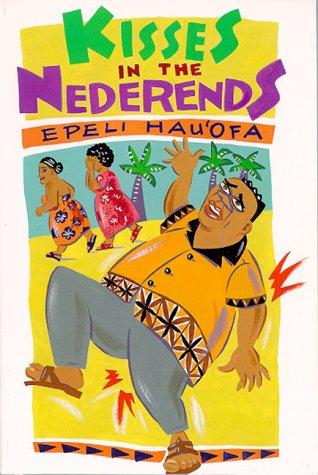
Kisses in the Nederends
Epeli Hau'ofa
Set in a small Pacific community poised between tradition and modernity, this sharp satire follows a cast of characters whose everyday lives reveal the tensions, hopes, and contradictions of island society. With wit and boldness, the novel turns taboo into a lens for examining power, identity, and the social rules that govern what can—and cannot—be spoken. As the story moves through communal rituals and private struggles, it exposes how “polite” silence can mask deeper anxieties about change, dignity, and belonging. Hau’ofa’s distinctive voice blends humor with cultural insight, making the book both entertaining and thought-provoking while inviting readers to reconsider what it means to live with—and within—constraints.
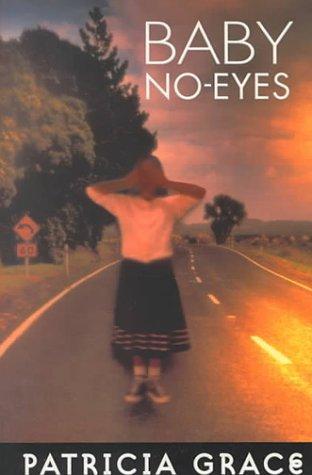
Baby No-eyes
Patricia Grace
In a tightly knit Māori family where love, loyalty, and belonging are bound together by long-held secrets, Tawera and his sister share a relationship that outsiders cannot easily understand. As the community’s stories slowly come into focus, the novel turns from intimate bonds to the unsettling consequences of power, control, and spiritual obligation—especially when Tawera begins to suffer abuse. Against this personal turmoil, wider struggles for land and justice surface through protest and occupation, revealing how history and politics shape what families endure. Patricia Grace’s lyrical, psychologically astute storytelling invites readers to piece together meaning as they go, exploring themes of identity, secrecy, resilience, and the haunting ways the past refuses to stay buried.