Description
What do we really know about the food we eat? In this groundbreaking investigation, Jonathan Safran Foer uncovers the hidden realities of industrial animal agriculture through three years of meticulous research and compelling storytelling. Blending personal reflection with hard-hitting journalism, he examines the ethical, environmental, and health consequences of our dietary choices, exposing the profound disconnect between our cultural values and eating habits. Foer challenges readers to confront uncomfortable truths about how we nourish ourselves and our families, asking essential questions about what it means to eat with integrity. A powerful and transformative exploration that extends far beyond the dinner table, this book invites us to reconsider one of the most intimate decisions we make every day.
Available Editions
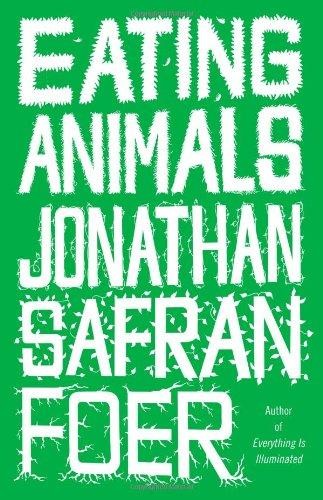
paperback
Little, Brown and Co
Published Jan 1, 2009
352 pages
ISBN: 9780316069908
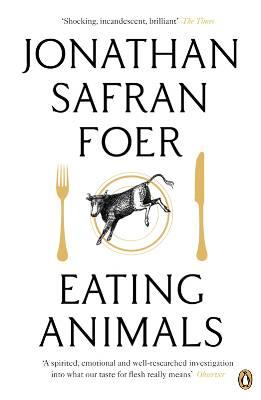
paperback
Penguin
Published Jan 1, 2011
321 pages
ISBN: 9780141031934
Reviews
2 ratings
Community Reviews(1)
Rarely is there a piece of literature that discusses the issues of "eating animals" without preaching tones and a self-righteous attitude, which makes the reader/listener roll their eyes and say "here we go again".<br/><br/>As with 'The God Delusion' by Richard Dawkins (which I think everyone whether religion or otherwise should read), likewise I believe anyone who eats animals and even those who don't should read (or at least consider reading) "Eating Animals".<br/><br/>Jonathan Safran Foer approaches the subject of the consumption of animals in a curious, genteel and, more importantly, non-threatening way. Whenever omnivores are presented with the notion that eating flesh can be a conscious decision rather than simply the "done thing"; defences are raised. This book presents information and simply asks you to consider it and, above all else, to <i>care</i> about many of the issues we chose more often than not to overlook in preference for ignorance.<br/><br/>In particular I found the discussion of the 'species barrier', which explains how we - as humans - perceive some animals worthy of our attention (and therefore inexcusable for us to mistreat and abuse) and those which we perceive unworthy to be especially interesting. <br/><br/>For example, how we would find gaffing (a gaff is a pole with a sharp hook on the end that is used to stab a large fish and then lift the fish into the boat) a dog would be completely unacceptable and yet we think nothing of doing the same to a fish simply because <i>it is a fish</i>. Or how cutting the beak, wings and feet of a pet budgerigar would be inhuman and cruel but we do the very same to a bird we might eventually eat. This is the species barrier. It allows us to permit the abuse and torture of certain species of animals and find it completely abhorrent and intolerable in consideration to others.<br/><br/>The main focus of this book - as I perceive it - is not to "turn people vegetarian" but to enable people to consider, without feeling vilified , their choices when it comes to eating or not eating meat. I would highly recommend this book to <i>anyone</i>; Jonathan Safran Foer raises issues <i>everyone</i> should take the time to think about <i>seriously</i> and he does so in a non-judgemental, purely factual manner that meat-eaters feel no need to shy away from or become defensive about.
Details
First Published
2009
Language
eng
Content Warnings
Content and trigger warnings for Eating Animals by Jonathan Safran Foer.