Popular Popular Science Books
The popular science books Readstead readers shelve most, out of 846 in the catalog.
- 1
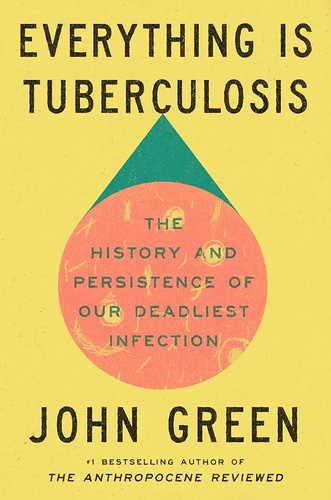
Everything Is Tuberculosis: The History and Persistence of Our Deadliest Infection
John Green · 2025
4.2 · 3 ratingsIn "Everything Is Tuberculosis," John Green delves into the complex and often overlooked history of one of humanity's most persistent and deadly infectious diseases. This compelling narrative traces tuberculosis from its ancient origins through its devastating impact on global populations, revealing how it has shaped societies, inspired art, and challenged medical science for centuries. Green masterfully explores the scientific, social, and cultural dimensions of the disease, highlighting its enduring presence and the ongoing struggle for its eradication. The book offers a profound look at human vulnerability, resilience, and the relentless pursuit of knowledge in the face of a formidable biological adversary.
- 2

Sapiens: A Brief History of Humankind
Yuval Noah Harari · 2011
4.0 · 2 ratingsThis sweeping narrative explores the entire arc of human history, from our earliest ancestors to the complex societies of today. It delves into the pivotal revolutions—Cognitive, Agricultural, and Scientific—that transformed our species and the planet. The book examines how Homo sapiens rose to dominance, the development of abstract concepts like nations and money, and the profound impact of these developments on our lives and the world around us. Through a multidisciplinary lens, it questions our progress, happiness, and the future trajectory of humankind.
- 3
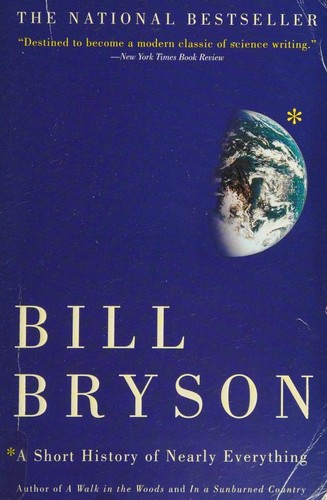
A Short History of Nearly Everything
Bill Bryson · 2004
4.5 · 2 ratingsBill Bryson embarks on an ambitious journey to unravel the mysteries of the universe, from the Big Bang to the present day. With his signature wit and accessible prose, Bryson explores the monumental scientific discoveries that have shaped our understanding of existence. He delves into the vastness of space, the forces that govern our planet, and the improbable chain of events that led to the emergence of life. Bryson marvels at the ingenuity of scientists and makes complex concepts engaging, revealing the often-overlooked stories behind groundbreaking knowledge. This captivating exploration highlights the precariousness of our planet and the ongoing quest to comprehend our place within the cosmos.
- 4

Braiding Sweetgrass: Indigenous Wisdom, Scientific Knowledge, and the Teachings of Plants
Robin Wall Kimmerer · 2013
4.5 · 2 ratingsIn Braiding Sweetgrass, Robin Wall Kimmerer weaves together Indigenous wisdom, scientific knowledge, and the profound teachings of the plant world. This captivating work explores the reciprocal relationship between humans and nature, urging readers to reconsider their place within the living world. Through lyrical prose and insightful observations, Kimmerer reveals the gifts of the earth and the responsibilities that come with them, offering a path toward ecological healing and a deeper connection to the planet. It is a powerful testament to the wisdom held within the natural world and a call to embrace a more harmonious way of living.
- 5

A Brief History of Time
Stephen Hawking · 1988
4.0 · 2 ratingsStephen Hawking's groundbreaking work invites readers on an extraordinary journey through the cosmos, demystifying complex scientific concepts with remarkable clarity. This landmark book tackles humanity's most profound questions about the universe's origins, its potential boundaries, and the very nature of time itself. Hawking masterfully guides us through the exotic landscapes of black holes, quarks, and the Big Bang, making the ultimate secrets of creation accessible to all. With profound imagination and accessible language, this book offers a captivating glimpse into the wonders and possibilities of the universe.
- 6
Cosmos
Carl Sagan · 1980
4.0 · 1 ratingEmbark on an awe-inspiring journey through space and time with this landmark work of science communication. Exploring the vastness of the universe, the book delves into the history of scientific discovery, from ancient civilizations to modern astrophysics. It masterfully weaves together astronomy, biology, and anthropology, revealing the interconnectedness of all life and our place within the grand cosmic tapestry. Sagan's eloquent prose invites readers to contemplate profound questions about humanity's origins, destiny, and the enduring quest for knowledge.
- 7
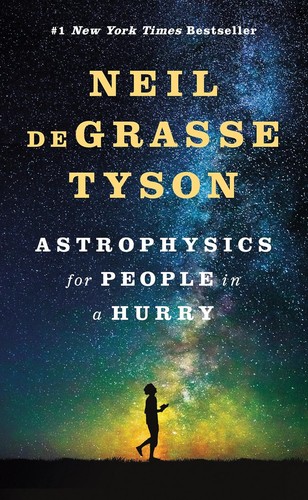
Astrophysics for People in a Hurry
Neil deGrasse Tyson · 2017
3.0 · 1 ratingExplore the cosmos with renowned astrophysicist Neil deGrasse Tyson in this concise guide to the universe. Designed for the curious mind on the go, this book demystifies complex concepts, from the Big Bang to black holes, in an accessible and engaging manner. Discover the fundamental principles that govern our universe and gain a deeper appreciation for our place within the vast cosmic landscape. It's an essential read for anyone seeking to understand the wonders of astrophysics without the jargon.
- 8
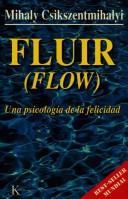
Flow: The Psychology of Optimal Experience
Mihály Csíkszentmihályi · 1990
4.0 · 1 ratingПочему одни занятия полностью захватывают нас, принося чувство радости и внутренней гармонии, тогда как другие оставляют лишь усталость и неудовлетворённость? Книга исследует состояние «потока» — особый опыт полной сосредоточенности, в котором человек максимально использует свои способности, теряет ощущение времени и получает глубокое удовлетворение от самого процесса деятельности. На основе психологических исследований и многочисленных примеров автор показывает, как поток связан с творчеством, работой, учёбой, спортом и повседневной жизнью, а также как создавать условия для его возникновения. Это значимое исследование счастья, мотивации и личностного развития предлагает практический взгляд на то, как сделать жизнь более осмысленной и насыщенной.
- 9
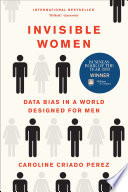
Invisible Women: Data Bias in a World Designed for Men
Caroline Criado Pérez · 2019
From medical research to urban planning, from workplace design to artificial intelligence, the world is built on data that systematically excludes women. In this groundbreaking investigation, Caroline Criado Pérez reveals how the pervasive bias in data collection and analysis has created a world that works against half the population—often with dangerous consequences. Through compelling case studies and meticulous research, she exposes how women's health needs are overlooked in clinical trials, how crash test dummies designed for male bodies put female drivers at risk, and how algorithms trained on male-dominated datasets perpetuate gender inequality. This eye-opening work challenges readers to recognize the invisible gaps in our understanding and demands a fundamental reckoning with how we gather, interpret, and act on data. Essential reading for anyone who wants to understand the hidden architecture of gender bias in modern society.
- 10
The Egg
Andy Weir · 2009
4.0 · 1 ratingWhat happens when you die? For one man, the answer is a profound and mind-bending journey through the entirety of existence. He finds himself in conversation with a being who reveals the true nature of the universe and his place within it. This short, philosophical tale explores themes of life, death, reincarnation, and the interconnectedness of all things. It's a thought-provoking meditation on what it means to be human, and what lies beyond.
- 11
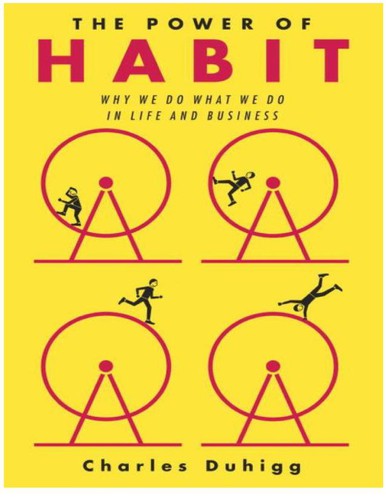
The Power of Habit: Why We Do What We Do in Life and Business
Charles Duhigg · 2012
3.8 · 2 ratingsCharles Duhigg's groundbreaking exploration delves into the science behind habit formation, revealing why we do what we do in our personal lives and professional endeavors. Through compelling real-world examples, from marketing successes to corporate turnarounds, Duhigg illustrates how understanding and altering habits can lead to profound transformation. This insightful work uncovers the hidden patterns that shape our behavior, offering a powerful framework for achieving success and driving change in individuals, organizations, and society.
- 12
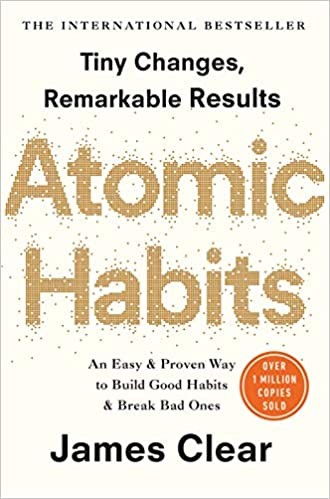
Atomic Habits
James Clear · 2018
4.0 · 2 ratingsSmall changes can compound into extraordinary results, and this book shows you how to make that happen through a practical, science-backed system for habit change. Rather than relying on motivation or willpower, you’ll learn how to redesign your environment, build better routines, and break the patterns that keep bad habits repeating. Clear’s approach connects insights from biology, psychology, and neuroscience to everyday decisions, helping you understand why progress stalls—and how to create momentum that lasts. With clear, actionable guidance and real-world examples from high performers across fields, this is a roadmap for transforming your habits and, ultimately, your life—one tiny step at a time.
- 13

The Gene
Siddhartha Mukherjee · 2016
A sweeping history of genetics, this illuminating work traces humanity’s evolving understanding of heredity—from the earliest theories of inheritance to the revolutionary possibilities of modern genetic engineering. It brings together scientific discovery, medical breakthroughs, and the personal stories of researchers and patients to show how genes shape health, identity, behavior, and our sense of what it means to be human. At once accessible and deeply researched, the book examines the ethical questions raised by genetic testing, manipulation, and the prospect of designing future generations. It is both a compelling scientific narrative and a thoughtful meditation on the promise and peril of controlling the code of life.
- 14
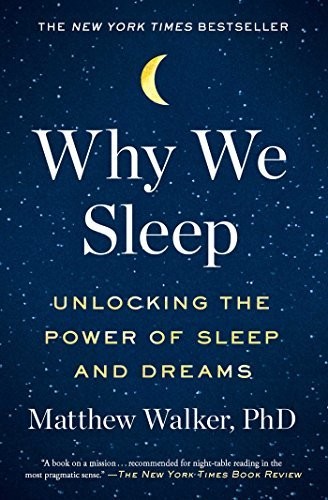
Why We Sleep
Matthew P. Walker · 2017
5.0 · 1 ratingDrawing on decades of research in neuroscience and sleep science, this accessible exploration reveals how sleep influences memory, learning, creativity, emotional balance, and physical health. It explains the essential stages and functions of sleep, the consequences of sleep deprivation, and the ways modern habits and technology can disrupt our natural rhythms. Combining scientific evidence with practical insights, the book makes a compelling case for treating sleep as a foundation of well-being rather than a luxury. Clear, engaging, and thought-provoking, it offers readers a deeper understanding of one of the most important—and often misunderstood—parts of daily life.
- 15
A Prickle of Porcupines
Lincoln James · 2013
Step into the world of porcupines with a friendly, photo-rich look at how these prickly animals live, move, and interact as a group. As readers discover what a “prickle” means and why porcupines are often misunderstood, they’ll learn how these creatures protect themselves and what they really need to thrive. Blending accessible facts with a helpful graphic organizer, the book makes animal behavior and habitat easy to grasp for curious young readers. With engaging visuals and clear, educational storytelling, this is a fun introduction to wildlife that turns fear into fascination.
- 16

Eating Animals
Jonathan Safran Foer · 2009
4.5 · 2 ratingsWhat do we really know about the food we eat? In this groundbreaking investigation, Jonathan Safran Foer uncovers the hidden realities of industrial animal agriculture through three years of meticulous research and compelling storytelling. Blending personal reflection with hard-hitting journalism, he examines the ethical, environmental, and health consequences of our dietary choices, exposing the profound disconnect between our cultural values and eating habits. Foer challenges readers to confront uncomfortable truths about how we nourish ourselves and our families, asking essential questions about what it means to eat with integrity. A powerful and transformative exploration that extends far beyond the dinner table, this book invites us to reconsider one of the most intimate decisions we make every day.
- 17

How Music Works
David Byrne · 2012
David Byrne, a visionary artist and co-founder of Talking Heads, offers a profound exploration into the intricate world of music in "How Music Works." This buoyant celebration delves into the multifaceted relationship between music, creativity, and the societies that shape it. Byrne masterfully examines the evolution of musical forms, the impact of technology, and the very essence of what makes music resonate with us. Through insightful research and personal reflection, this book provides a unique perspective for music enthusiasts and creators alike, revealing the deep connections that underpin our auditory experiences.
- 18
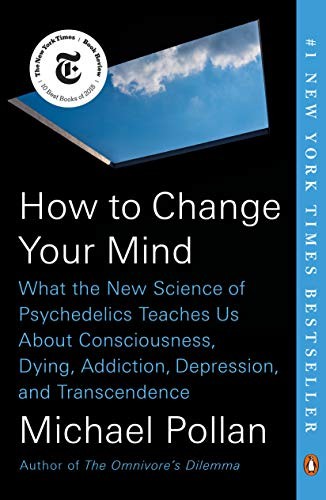
How to Change Your Mind
Michael Pollan · 2018
4.0 · 2 ratingsMichael Pollan embarks on a profound journey into the history and burgeoning resurgence of psychedelic drugs, exploring their potential to revolutionize our understanding of consciousness, mental health, and addiction. Through meticulous research and personal exploration, Pollan delves into the science behind these substances, examining how they temporarily dissolve the ego to foster new perspectives and healing. This illuminating work investigates the therapeutic promise of psychedelics for conditions ranging from depression to end-of-life anxiety, offering a compelling look at a new frontier in medicine and human experience.
- 19
Lab Girl
Hope Jahren · 2016
2.0 · 1 ratingHope Jahren's memoir, *Lab Girl*, invites readers into the vibrant world of a scientist, chronicling her journey from a childhood fascination with her father's laboratory to her distinguished career in plant science. This deeply personal narrative explores the profound connections between work, love, and the relentless pursuit of knowledge, revealing how these forces can drive extraordinary achievements. Jahren masterfully weaves together her experiences, offering a unique perspective on the challenges and triumphs of scientific discovery and the essential role of collaboration and mentorship in navigating the complexities of life and career.
- 20
The Body Keeps the Score
Bessel van der Kolk · 2014
4.0 · 1 ratingThis groundbreaking exploration of trauma examines how overwhelming experiences can reshape the brain, body, emotions, and sense of self long after the danger has passed. Drawing on decades of clinical research and patient stories, it explains why trauma may appear through anxiety, dissociation, chronic pain, addiction, and difficulties with relationships or trust. The book also surveys approaches that can support healing, including psychotherapy, mindfulness, movement, and other body-centered practices. Insightful and compassionate, it connects neuroscience with lived experience while offering a deeper understanding of resilience and recovery.
- 21
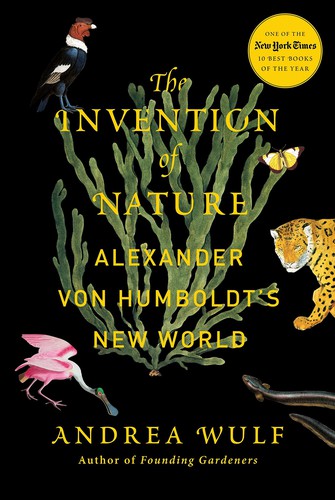
The Invention of Nature: Alexander von Humboldt's New World
Andrea Wulf · 2015
3.0 · 1 ratingAndrea Wulf resurrects the forgotten genius of Alexander von Humboldt, the intrepid explorer and scientist whose revolutionary ideas reshaped our understanding of nature. Humboldt's daring expeditions across the globe revealed a radical vision of nature as a complex, interconnected force, a concept that profoundly influenced thinkers like Darwin, Thoreau, and Muir. This brilliantly researched biography illuminates Humboldt's poetic prose, his prescient warnings about human-induced climate change, and his enduring legacy in environmental thought. Wulf compellingly argues for a renewed appreciation of this pivotal figure who laid the groundwork for modern ecological understanding.
- 22
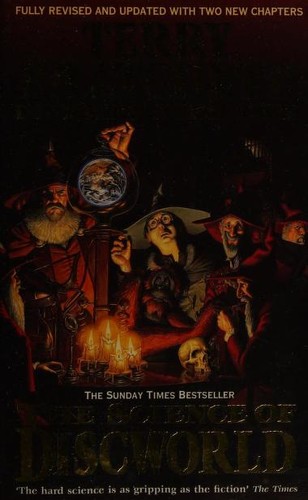
The Science of Discworld
Terry Pratchett · 1999
3.0 · 1 ratingWhen the wizards of Discworld's Unseen University accidentally create a new universe during an experimental power source demonstration, they discover a planet within it that mirrors our own world in unexpected ways. This unique collaboration between Terry Pratchett and real scientists weaves together the fantastical adventures of Discworld's most brilliant minds with genuine scientific explanations, exploring how the laws of physics, evolution, and natural selection actually work. By paralleling the fictional universe's creation and development with real scientific principles, the book offers readers an entertaining gateway to understanding complex scientific concepts without sacrificing Pratchett's signature wit and humor. The narrative cleverly uses the wizards' discoveries to illuminate everything from the nature of light and gravity to the origins of life itself, making advanced science accessible and genuinely fun. A perfect blend of fantasy storytelling and scientific education, this book proves that learning about the real world can be just as magical as any spell cast in Ankh-Morpork.
- 23

What if?
Randall Munroe · 2014
Millions of people visit xkcd.com each week to read Randall Munroe's iconic webcomic. His stick-figure drawings about science, technology, language, and love have a large and passionate following. Fans of xkcd ask Munroe a lot of strange questions. What if you tried to hit a baseball pitched at 90 percent the speed of light? How fast can you hit a speed bump while driving and live? If there was a robot apocalypse, how long would humanity last? In pursuit of answers, Munroe runs computer simulations, pores over stacks of declassified military research memos, solves differential equations, and consults with nuclear reactor operators. His responses are masterpieces of clarity and hilarity, complemented by signature xkcd comics. They often predict the complete annihilation of humankind, or at least a really big explosion. The book features new and never-before-answered questions, along with updated and expanded versions of the most popular answers from the xkcd website.
- 24
1491: New Revelations of the Americas Before Columbus
Charles C. Mann · 2005
Discover a revolutionary reimagining of pre-Columbian America that challenges everything you thought you knew about the indigenous civilizations that flourished before Columbus arrived. Charles C. Mann presents compelling evidence that the Americas were not a sparsely populated wilderness, but rather home to sophisticated, densely populated societies that actively shaped their environment through advanced agricultural techniques, urban planning, and landscape engineering. From the magnificent Aztec capital of Tenochtitlan—larger and cleaner than any contemporary European city—to the genetic engineering of corn itself, these civilizations demonstrated remarkable ingenuity and technological achievement. Drawing on groundbreaking archaeological and scientific research, Mann reveals how Native Americans were master manipulators of their world, fundamentally transforming our understanding of human achievement and environmental stewardship. This transformative work offers a fascinating and meticulously researched portrait of a rich, complex world that deserves to be rediscovered.
- 25
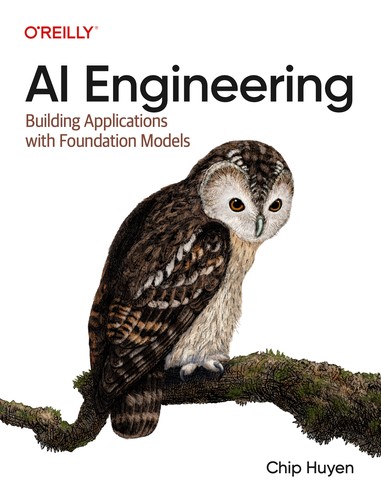
AI Engineering
Chip Huyen · 2024
4.0 · 2 ratingsDive into the rapidly evolving world of AI engineering with this essential guide from industry expert Chip Huyen. This book demystifies the process of building sophisticated AI applications by leveraging powerful foundation models. You'll learn to navigate the entire AI stack, from selecting and evaluating models to mastering advanced techniques like prompt engineering, Retrieval-Augmented Generation (RAG), and fine-tuning. Whether you're a seasoned developer or new to the field, this comprehensive resource provides the practical knowledge needed to bring your AI-powered ideas to life.
- 26
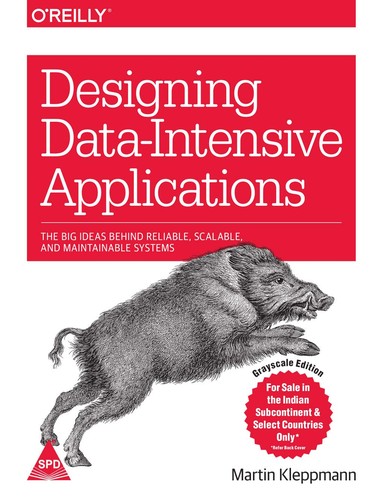
Designing Data-Intensive Applications
Martin Kleppmann · 2017
5.0 · 1 ratingA practical and rigorous guide to building reliable, scalable, and maintainable data systems, this book explores the principles behind modern databases, distributed systems, data processing, and storage technologies. It examines how systems handle challenges such as consistency, fault tolerance, replication, partitioning, and stream processing, helping readers understand the trade-offs behind architectural decisions. Rather than focusing on a single tool or platform, it develops a durable framework for evaluating technologies and designing systems that can evolve with changing demands. Clear, technically informed, and richly comparative, the book is an essential resource for software engineers, architects, and anyone seeking a deeper understanding of data-intensive applications.
- 27

Einstein: His Life and Universe
Walter Isaacson · 2007
4.0 · 1 ratingWalter Isaacson's biography delves into the life and mind of Albert Einstein, revealing the rebellious spirit that fueled both his personal journey and his groundbreaking scientific discoveries. This compelling narrative explores the profound mysteries of the universe that Einstein unlocked, offering insights into his revolutionary theories and their lasting impact. Through vivid storytelling, Isaacson illuminates how Einstein's unique perspective and nonconformist nature shaped his understanding of space, time, and gravity, making complex physics accessible and the man behind the genius relatable.
- 28
Freakonomics Rev Ed
Steven D. Levitt, Stephen J. Dubner · 2006
4.5 · 2 ratingsDive into the unconventional world of economics with this groundbreaking exploration of human behavior. Authors Steven D. Levitt and Stephen J. Dubner challenge conventional wisdom by applying rigorous data analysis to seemingly unrelated aspects of everyday life, from crime and cheating to parenting and education. Through compelling storytelling and sharp insights, they reveal the hidden incentives that drive our decisions and demonstrate how economics can illuminate the most perplexing riddles of modern society. Prepare to see the world—and your own actions—in a completely new light.
- 29
Moonwalking with Einstein: The Art and Science of Remembering Everything
Joshua Foer · 2011
Embark on a captivating exploration of the human mind's capacity for memory in this engaging narrative. The author chronicles his year-long journey into the world of "mental athletes," delving into ancient techniques and cutting-edge science to unlock the secrets of remembering. This fascinating account reveals how memory shapes our identity and offers practical insights into enhancing our own cognitive abilities. Prepare to be amazed by the surprising history and profound potential of what we recall.
- 30

Outliers: The Story of Success
Malcolm Gladwell · 2008
4.0 · 1 ratingMalcolm Gladwell's *Outliers: The Story of Success* challenges conventional wisdom about achievement, arguing that true success is not solely the product of individual talent or hard work. Through compelling case studies and insightful analysis, Gladwell explores the often-overlooked external factors—such as birthdate, cultural background, and generational opportunities—that profoundly shape an individual's path to accomplishment. He reveals how seemingly random elements converge to create the conditions for extraordinary success, prompting readers to reconsider the very definition of what it means to be successful. This thought-provoking work invites a deeper understanding of the complex interplay between personal effort and the hidden advantages that pave the way for greatness.
- 31
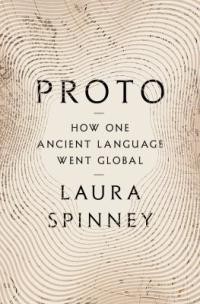
Proto
Laura Spinney · 2025
4.0 · 2 ratingsHow did one ancient language give rise to more than four hundred tongues spoken across much of the modern world? This engaging investigation traces the Indo-European family from its elusive Proto-Indo-European roots across steppe, mountain, desert, and trade route, following the migrations of the peoples who carried these languages across continents and millennia. Drawing on linguistics, archaeology, genetics, history, mythology, and anthropology, it explores both the evidence and the lively debates surrounding the family’s origins and dispersal. Vividly written and rigorously researched, the book is part intellectual detective story and part travelogue—an illuminating portrait of how language preserves the movements, encounters, and cultures of the human past.
- 32

Quiet: The Power of Introverts in a World That Can't Stop Talking
Susan Cain · 2013
4.0 · 1 ratingIn a world that often celebrates the loudest voices, this groundbreaking work reveals the profound strengths and unique contributions of introverts. Susan Cain masterfully explores the rise of the 'Extrovert Ideal' and its impact on society, arguing that we systematically undervalue the quiet half of the population. Through compelling research and captivating stories of influential introverts, the book illuminates the hidden power of solitude, deep thinking, and focused creativity. It offers a powerful re-evaluation of personality, encouraging both introverts and extroverts to embrace their inherent gifts and foster environments where all can thrive.
- 33
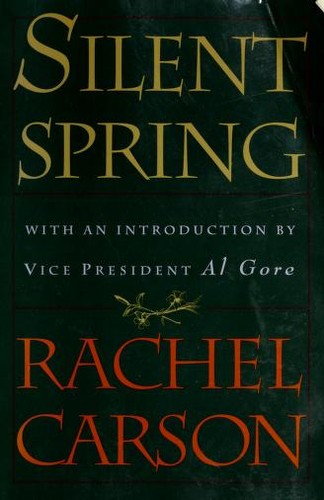
Silent Spring
Rachel Carson · 1962
5.0 · 1 ratingRachel Carson's groundbreaking work exposes the devastating impact of pesticides on the environment and human health. Through meticulous research and eloquent prose, she reveals how the widespread use of synthetic chemicals disrupts the delicate balance of nature, threatening ecosystems and wildlife. This seminal book serves as a powerful call to action, urging readers to reconsider humanity's relationship with the natural world and advocate for more sustainable practices. Silent Spring remains a vital and influential text, inspiring generations to protect the planet from the perils of unchecked chemical pollution.
- 34
The Demon-Haunted World: Science as a Candle in the Dark
Carl Sagan · 1996
4.0 · 1 ratingIn this powerful defense of scientific rationality, renowned astronomer Carl Sagan argues that critical thinking and empirical evidence are essential not only for understanding our world but for preserving our democratic institutions. Drawing on history, culture, and contemporary examples, Sagan systematically debunks pseudoscientific claims—from witchcraft and faith healing to UFO abductions and alien encounters—revealing how easily misinformation can flourish in an age of information overload. With lucid eloquence, he demonstrates why the difference between testable scientific hypotheses and the seductive myths of pseudoscience matters profoundly for our individual decision-making and collective well-being. This manifesto for clear thought serves as a timely reminder that in a world increasingly vulnerable to conspiracy theories and unreason, scientific literacy is not a luxury but a necessity for maintaining our freedom and progress.
- 35
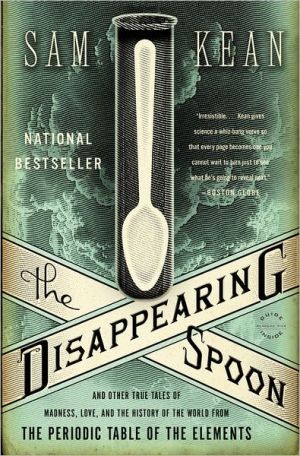
The Disappearing Spoon: And Other True Tales of Madness, Love, and the History of the World from the Periodic Table of the Elements
Sam Kean · 2010
5.0 · 1 ratingEmbark on a captivating journey through the periodic table, where each element tells a story of human history, ambition, and discovery. From the profound impact of lithium on a poet's mind to the bizarre gold rush fueled by tellurium, this book uncovers the hidden narratives behind the building blocks of our universe. Explore tales of mad scientists, unexpected applications, and the profound influence elements have had on art, conflict, and even mythology. It's a vibrant fusion of science and history, revealing the extraordinary lives and secrets of the elements that shape our world.
- 36

The Emperor of All Maladies: A Biography of Cancer
Siddhartha Mukherjee · 2010
The Emperor of All Maladies is a magnificent, profoundly humane “biography” of cancer—from its first documented appearances thousands of years ago through the epic battles in the twentieth century to cure, control, and conquer it to a radical new understanding of its essence. Physician, researcher, and award-winning science writer, Siddhartha Mukherjee examines cancer with a cellular biologist’s precision, a historian’s perspective, and a biographer’s passion. The result is an astonishingly lucid and eloquent chronicle of a disease humans have lived with—and perished from—for more than five thousand years. The story of cancer is a story of human ingenuity, resilience, and perseverance, but also of hubris, paternalism, and misperception. Mukherjee recounts centuries of discoveries, setbacks, victories, and deaths, told through the eyes of his predecessors and peers, training their wits against an infinitely resourceful adversary that, just three decades ago, was thought to be easily vanquished in an all-out “war against cancer.” The book reads like a literary thriller with cancer as the protagonist. From the Persian Queen Atossa, whose Greek slave cut off her malignant breast, to the nineteenth-century recipients of primitive radiation and chemotherapy to Mukherjee’s own leukemia patient, Carla, The Emperor of All Maladies is about the people who have soldiered through fiercely demanding regimens in order to survive—and to increase our understanding of this iconic disease. Riveting, urgent, and surprising, The Emperor of All Maladies provides a fascinating glimpse into the future of cancer treatments. It is an illuminating book that provides hope and clarity to those seeking to demystify cancer. --jacket flap
- 37
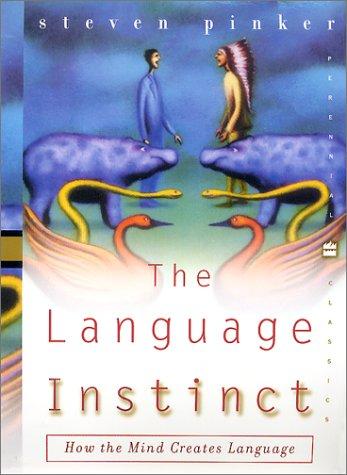
The Language Instinct: How the Mind Creates Language
Steven Pinker · 1994
Steven Pinker's seminal work explores the profound mystery of human language, revealing it not as a cultural invention but as an innate biological instinct. With unparalleled clarity and wit, he delves into how our minds construct language, how children acquire this complex faculty, and the evolutionary forces that shaped it. This captivating exploration examines the intricate workings of grammar, the evolution of language, and the neurological underpinnings of our most defining characteristic. Pinker masterfully synthesizes cutting-edge research with engaging examples, making a compelling case for language as a universal human inheritance.
- 38
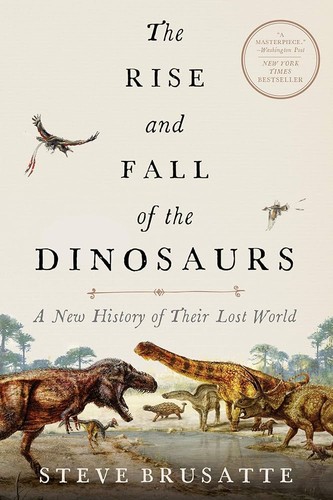
The Rise and Fall of the Dinosaurs
Steve Brusatte · 2018
Embark on an epic journey through 200 million years of history with "The Rise and Fall of the Dinosaurs." This captivating narrative, brought to life by leading paleontologist Steve Brusatte, unveils the complete, surprising, and entirely new story of these magnificent creatures. Drawing on cutting-edge science and extensive fieldwork, the book explores their mysterious origins, their spectacular reign, their astonishing diversity, and their cataclysmic extinction. Discover the latest scientific revelations that dramatically illuminate their lost world and reveal their startling living legacy, offering profound insights into life on Earth.
- 39
The Selfish Gene
Richard Dawkins · 1976
3.0 · 1 ratingRichard Dawkins' seminal work, "The Selfish Gene," presents a revolutionary perspective on evolution, shifting the focus from individual organisms to the genes themselves. This groundbreaking book argues that evolution is best understood as a battle between genes, with organisms serving as mere survival machines for their genetic material. Dawkins masterfully explains complex concepts like kin selection, altruism, and the evolution of cooperation, making them accessible to a broad audience. The book's enduring influence lies in its ability to reframe our understanding of life, challenging conventional wisdom and sparking ongoing scientific and philosophical debate.
- 40
The Serviceberry: Abundance and Reciprocity in the Natural World
Robin Wall Kimmerer · 2024
In this profound exploration, Robin Wall Kimmerer invites readers to reconsider their relationship with the natural world, drawing wisdom from the intricate web of life. Through the lens of the serviceberry, a symbol of generosity and interconnectedness, the book reveals the principles of reciprocity and gratitude that sustain ecosystems. Kimmerer masterfully weaves together scientific understanding, Indigenous knowledge, and personal reflection to offer a powerful vision for a more balanced and harmonious existence. This work is a call to action, urging us to embrace a way of living that honors the gifts of the earth and fosters a sense of belonging within the larger community of life.
- 41

The Sixth Extinction: An Unnatural History
Elizabeth Kolbert · 2014
Elizabeth Kolbert's groundbreaking work takes readers on a profound journey through Earth's history, exploring the five great mass extinction events that have shaped our planet. Drawing on cutting-edge science and extensive fieldwork, she reveals the patterns and causes behind these cataclysmic shifts. Kolbert compellingly argues that we are currently living through a sixth extinction, driven by human activity, and confronts the profound implications of this unprecedented crisis for the future of life on Earth.
- 42
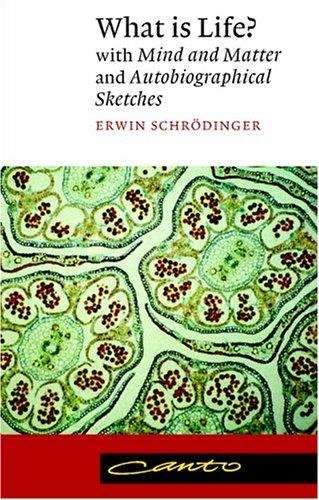
What Is Life? with Mind and Matter and Autobiographical Sketches
Erwin Schrödinger · 1992
4.5 · 2 ratingsThis volume brings together three essential facets of Erwin Schrödinger’s thought: his influential inquiry into the physical foundations of life, his philosophical exploration of consciousness and the relationship between mind and matter, and a series of autobiographical reflections. Drawing on physics, biology, and philosophy, it examines how order, heredity, perception, and subjective experience challenge conventional boundaries between the sciences and the humanities. Written with clarity and intellectual ambition, these essays reveal why Schrödinger’s ideas helped inspire the emergence of molecular biology while continuing to provoke debate about the nature of life and consciousness. The autobiographical sketches add a personal dimension, placing his scientific and philosophical investigations within the broader story of his life and work.
- 43

Will My Cat Eat My Eyeballs? Big Questions from Tiny Mortals About Death
Caitlin Doughty · 2019
3.0 · 1 ratingWhat happens to our bodies after we die? Best-selling author and mortician Caitlin Doughty tackles this profound question and many more in this darkly humorous and informative exploration of death. Drawing from her unique experiences and extensive research, Doughty delves into everything from ancient burial practices to the science of decomposition, confronting our deepest fears with candid and often hilarious facts. This book offers a refreshing and accessible perspective on mortality, making the once-taboo subject of death approachable for readers of all ages.
- 44
Heatstroke
Anthony D. Barnosky · 2009
In a world where climate patterns are shifting faster than many systems can adapt, this book examines the mounting risks of extreme heat and the cascading effects it can have on health, ecosystems, and economies. Through clear, evidence-driven discussion, it traces how rising temperatures strain infrastructure and public health while reshaping the natural world in ways that ripple outward. Blending scientific insight with urgent real-world implications, it explores the themes of vulnerability, resilience, and the choices societies make in the face of accelerating change. Written with the accessibility and analytical rigor of a modern science communicator, it challenges readers to understand heat not as a seasonal inconvenience, but as a defining crisis of our time.
- 45
If Sharks Disappeared
Lily Williams · 2017
Imagine a world where sharks vanish from the ocean—what would change, and what might be lost? Through a clear, kid-friendly exploration of ocean life, this book follows how removing one powerful predator can ripple through the food web, reshaping habitats and the balance of marine ecosystems. With engaging comparisons of big, small, and “scary” sea creatures, it invites readers to think about interdependence, environmental responsibility, and the surprising connections that keep nature thriving. Written in an accessible, curiosity-driven style, it turns a simple “what if” scenario into a meaningful lesson about biodiversity and conservation.
- 46
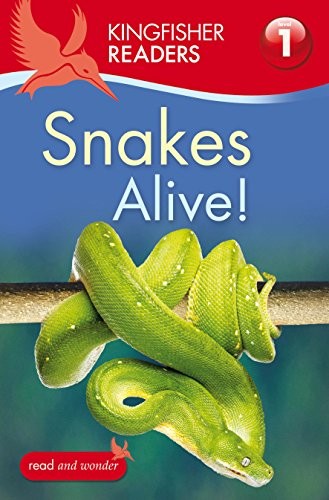
Snakes Alive!
Louise P. Carroll · 2012
Snakes Alive! invites readers into the fascinating world of these often-misunderstood reptiles, blending vivid observation with accessible science. Through a guided look at how snakes move, hunt, and survive, the book offers a high-level journey into their behavior and biology—highlighting the adaptations that make them uniquely suited to life in diverse habitats. With an engaging, reader-friendly approach, it explores themes of curiosity, respect for wildlife, and the importance of understanding nature on its own terms. Perfect for young naturalists and general readers alike, this book brings the living wonder of snakes to the page with clarity and enthusiasm.
- 47
Eager
Ben Goldfarb · 2018
A compelling work of environmental journalism, this book explores the remarkable ecological role of beavers and their profound influence on landscapes across North America. Through science, history, and vivid reporting, it reveals how these industrious animals create wetlands, support biodiversity, and help restore damaged ecosystems—while also examining the conflicts that arise when their engineering collides with human development. The result is an insightful and hopeful look at rewilding, conservation, and the possibility of living more thoughtfully alongside nature.
- 48
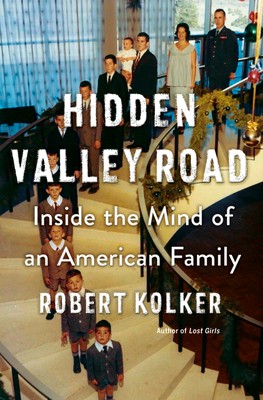
Hidden Valley Road: Inside the Mind of an American Family
Robert Kolker · 2020
An outwardly exemplary American family becomes the center of a profound medical and social mystery when six of its sons develop schizophrenia over the course of a generation. Drawing on the Galvin family’s deeply complicated history, the book explores the private costs of mental illness, family loyalty, trauma, and the limits of the American ideal. Their experience also illuminates the evolving science of schizophrenia—from controversial theories and institutional practices to groundbreaking genetic research—while tracing the researchers and debates shaped by their case. Compassionate and meticulously reported, this is both an intimate family story and a sweeping account of how modern psychiatry has sought to understand one of its most challenging disorders.