Popular History Books
The history books Readstead readers shelve most, out of 1,318 in the catalog.
- 1
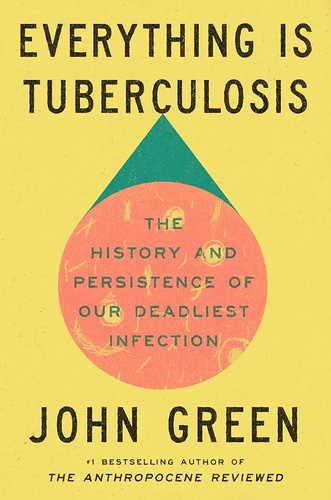
Everything Is Tuberculosis: The History and Persistence of Our Deadliest Infection
John Green · 2025
4.2 · 3 ratingsIn "Everything Is Tuberculosis," John Green delves into the complex and often overlooked history of one of humanity's most persistent and deadly infectious diseases. This compelling narrative traces tuberculosis from its ancient origins through its devastating impact on global populations, revealing how it has shaped societies, inspired art, and challenged medical science for centuries. Green masterfully explores the scientific, social, and cultural dimensions of the disease, highlighting its enduring presence and the ongoing struggle for its eradication. The book offers a profound look at human vulnerability, resilience, and the relentless pursuit of knowledge in the face of a formidable biological adversary.
- 2
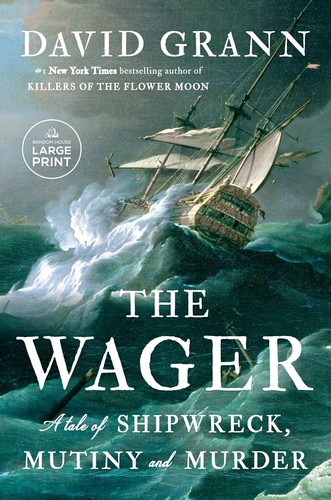
Wager
David Grann · 2023
3.8 · 3 ratingsFrom the #1 New York Times bestselling author of *Killers of the Flower Moon* comes an extraordinary true story of survival, mutiny, and murder. In 1740, His Majesty's Ship the Wager embarked on a secret mission, only to be shipwrecked in the treacherous waters of Cape Horn. What followed was an epic struggle for survival against the elements and each other, culminating in a dramatic court-martial that would uncover a shocking truth about the ordeal.
- 3
The Devil in the White City: Murder, Magic, and Madness at the Fair That Changed America
Erik Larson · 2003
3.0 · 2 ratingsIn the shadow of the magnificent 1893 Chicago World's Fair, two vastly different men shaped America's Gilded Age. Daniel Hudson Burnham, the fair's visionary architect, battled immense challenges to create a breathtaking spectacle of innovation and beauty. Meanwhile, the charismatic Dr. H. H. Holmes, a cunning serial killer, constructed a sinister "Murder Castle" nearby, preying on unsuspecting visitors drawn to the fair's allure. This gripping narrative masterfully intertwines the triumph of human ambition with the depths of human depravity, offering a vivid portrait of a nation on the cusp of a new century.
- 4

The Diary of a Young Girl
Anne Frank · 1947
3.5 · 4 ratingsThis powerful and intimate diary offers a poignant glimpse into the life of Anne Frank, a Jewish teenager hiding from the Nazis during World War II. For two years, Anne meticulously documented her experiences, thoughts, and dreams while confined to a secret annex in Amsterdam. Her writings capture the universal struggles of adolescence—friendships, first love, and family dynamics—set against the terrifying backdrop of war and persecution. Through her remarkable voice, Anne transforms her personal ordeal into a timeless testament to the resilience of the human spirit and the enduring hope for a better future.
- 5

Sapiens: A Brief History of Humankind
Yuval Noah Harari · 2011
4.0 · 2 ratingsThis sweeping narrative explores the entire arc of human history, from our earliest ancestors to the complex societies of today. It delves into the pivotal revolutions—Cognitive, Agricultural, and Scientific—that transformed our species and the planet. The book examines how Homo sapiens rose to dominance, the development of abstract concepts like nations and money, and the profound impact of these developments on our lives and the world around us. Through a multidisciplinary lens, it questions our progress, happiness, and the future trajectory of humankind.
- 6
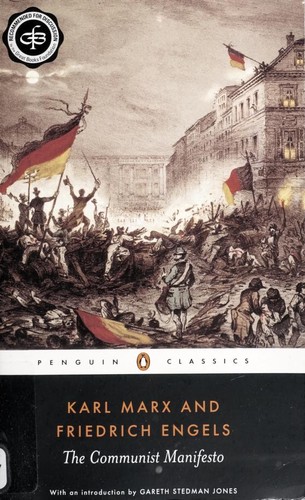
The Communist Manifesto
Karl Marx · 1848
3.3 · 3 ratingsThis seminal work, penned by Karl Marx, lays bare the fundamental principles of communism and outlines a radical vision for societal transformation. It presents a searing critique of capitalism, arguing for the inevitable overthrow of the bourgeoisie by the proletariat. The Manifesto serves as a foundational text for understanding historical materialism and the call for a classless society, profoundly influencing political thought and movements worldwide.
- 7
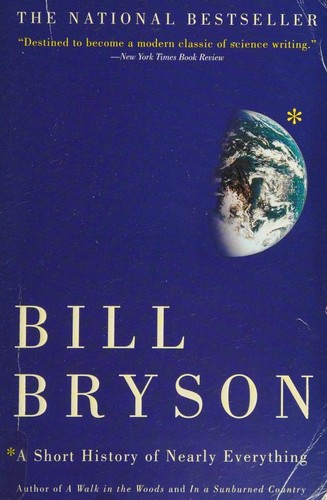
A Short History of Nearly Everything
Bill Bryson · 2004
4.5 · 2 ratingsBill Bryson embarks on an ambitious journey to unravel the mysteries of the universe, from the Big Bang to the present day. With his signature wit and accessible prose, Bryson explores the monumental scientific discoveries that have shaped our understanding of existence. He delves into the vastness of space, the forces that govern our planet, and the improbable chain of events that led to the emergence of life. Bryson marvels at the ingenuity of scientists and makes complex concepts engaging, revealing the often-overlooked stories behind groundbreaking knowledge. This captivating exploration highlights the precariousness of our planet and the ongoing quest to comprehend our place within the cosmos.
- 8
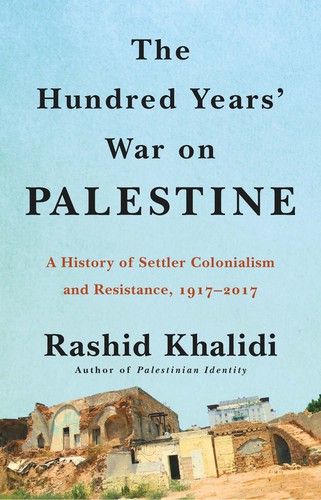
The Hundred Years’ War on Palestine: A History of Settler-Colonial Conquest and Resistance, 1917–2017
Rashid Khalidi · 2020
In this sweeping historical account, renowned scholar Rashid Khalidi traces the century-long conflict between Palestinians and Israeli settlers, examining the deep roots and complex dynamics of one of the world's most intractable geopolitical struggles. Drawing on extensive research and primary sources, Khalidi presents a comprehensive narrative of Palestinian resistance and dispossession from the end of World War I through 2017, challenging conventional Western narratives and centering Palestinian perspectives often marginalized in mainstream discourse. The book meticulously documents how colonial settlement patterns, military occupation, and political maneuvering have shaped the territorial and human landscape of Palestine, while highlighting the persistent Palestinian struggle for self-determination and dignity. Khalidi's scholarly yet accessible analysis illuminates the historical continuities and turning points that have defined this conflict, offering essential context for understanding contemporary Middle Eastern politics and the ongoing Palestinian-Israeli impasse. This landmark work stands as a vital contribution to Palestinian historiography and a crucial resource for anyone seeking to understand the roots and ramifications of this defining conflict of the modern era.
- 9

Say Nothing
Patrick Radden Keefe · 2019
Patrick Radden Keefe masterfully unravels the complex and brutal history of the Northern Ireland Conflict through the haunting story of Jean McConville, a mother of fourteen who vanished during the height of the Troubles. Her disappearance, and the subsequent discovery of her remains decades later, serves as a powerful lens through which Keefe explores the IRA's violent campaign, the moral ambiguities of conflict, and the enduring impact of secrets and memory. This gripping narrative delves into the lives of those caught in the crossfire, questioning the nature of truth and justice in a society scarred by decades of violence.
- 10

How the Word Is Passed: A Reckoning with the History of Slavery Across America
Clint Smith · 2021
5.0 · 1 ratingIn this powerful work of historical inquiry, the author visits plantations, prisons, museums, and other sites across the United States to examine how the history of slavery is preserved, interpreted, and remembered. Through conversations, personal reflection, and meticulous research, he reveals the enduring legacies of enslavement and the ways public memory shapes ideas about race, identity, and justice. Both intimate and wide-ranging, the book invites readers to confront the nation’s past with honesty and consider how that history continues to influence its present.
- 11
The Warmth of Other Suns: The Epic Story of America's Great Migration
Isabel Wilkerson · 2010
From 1915 to 1970, nearly six million African Americans fled the segregated South in search of freedom and opportunity, fundamentally reshaping the nation's cities and culture in what Pulitzer Prize–winning author Isabel Wilkerson calls an "unrecognized immigration" within America itself. Through meticulous research and intimate interviews with over a thousand migrants, Wilkerson weaves together the powerful true stories of three individuals—Ida Mae Gladney, George Starling, and Robert Foster—whose journeys from Mississippi, Florida, and Louisiana to Chicago, Harlem, and beyond illuminate the hopes, struggles, and triumphs of an entire generation. With stunning historical detail and lyrical prose, she captures both the harrowing realities of their cross-country travels and the profound ways these migrants transformed their new cities through culture, faith, and unwavering determination. This epic masterwork stands as a definitive account of one of American history's most consequential yet overlooked movements, revealing how ordinary people's extraordinary courage reshaped the nation's identity. A riveting blend of intimate biography and sweeping historical narrative, The Warmth of Other Suns is destined to become a classic of American letters.
- 12
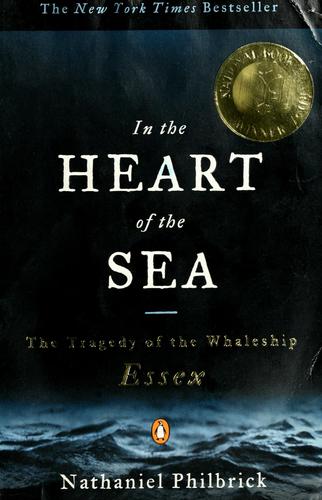
In the Heart of the Sea
Nathaniel Philbrick · 2000
5.0 · 1 ratingIn 1819, the 238-ton Essex set sail from Nantucket on a routine voyage to hunt whales. Fifteen months later, the Essex was rammed and sunk by an enraged sperm whale.
- 13
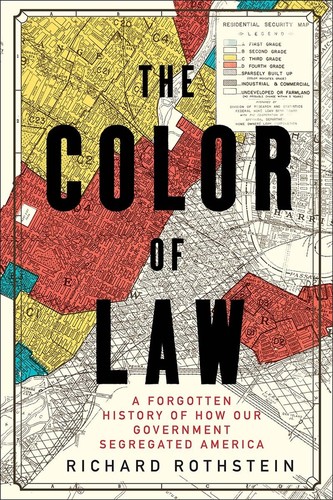
The Color of Law
Richard Rothstein · 2017
In this landmark work, Richard Rothstein traces how American housing segregation was not simply the result of individual prejudice or market forces, but was actively produced through government policy. Drawing on historical evidence, he shows how federal, state, and local decisions—ranging from lending practices to zoning and public housing—systematically shaped where people could live and accumulate wealth. The book follows the long-term consequences of these choices, illuminating how “separate and unequal” became embedded in everyday life and continues to influence opportunity today. With rigorous research and a clear, persuasive narrative, Rothstein challenges readers to rethink the roots of inequality and confront the enduring power of law in structuring social outcomes.
- 14
Alive: The Story of the Andes Survivors
Piers Paul Read · 1974
4.0 · 1 ratingIn October 1972, a flight carrying a rugby team and their supporters crashed high in the unforgiving Andes mountains. Facing unimaginable cold, starvation, and isolation, the survivors endured a harrowing ten weeks against the brutal forces of nature. Their fight for survival pushed them to the absolute limits of human endurance and forced them to make impossible choices. This is the gripping, true account of their resilience and the extraordinary will to live that ultimately saw sixteen souls emerge from the frozen wilderness.
- 15
Cosmos
Carl Sagan · 1980
4.0 · 1 ratingEmbark on an awe-inspiring journey through space and time with this landmark work of science communication. Exploring the vastness of the universe, the book delves into the history of scientific discovery, from ancient civilizations to modern astrophysics. It masterfully weaves together astronomy, biology, and anthropology, revealing the interconnectedness of all life and our place within the grand cosmic tapestry. Sagan's eloquent prose invites readers to contemplate profound questions about humanity's origins, destiny, and the enduring quest for knowledge.
- 16
Four Hundred Souls
Ibram X. Kendi, Keisha N. Blain · 2021
4.5 · 2 ratingsIn this landmark work, Ibram X. Kendi and Keisha N. Blain trace the long, often brutal history of racial inequality in America through the lives, ideas, and organizing efforts of Black people. Blending rigorous scholarship with vivid storytelling, the book follows how movements for freedom and justice have repeatedly challenged the nation’s shifting systems of oppression. Across its sweeping narrative, it examines themes of power, policy, and resistance—showing how racism is constructed, maintained, and ultimately contested. Written in a clear, compelling style that reflects the authors’ influence in contemporary public scholarship, it offers readers both a deeper understanding of the past and a sharper lens for the struggles of the present.
- 17

Stamped from the Beginning: The Definitive History of Racist Ideas in America
Ibram X. Kendi · 2016
4.5 · 2 ratingsTracing the evolution of racist thought in America from the nation’s earliest foundations to the present day, this definitive history follows how ideas about race were invented, justified, and institutionalized. Through a sweeping, evidence-driven narrative, it shows how influential thinkers and social movements shaped public policy, education, and everyday life—often by disguising prejudice as “science,” morality, or common sense. At its core, the book examines the mechanisms of power behind racial hierarchy and challenges readers to confront how language and ideology can manufacture inequality. Written in Ibram X. Kendi’s incisive, accessible style, it blends historical scholarship with urgent moral clarity to illuminate why racist ideas persist—and what it takes to dismantle them.
- 18
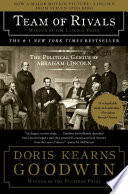
Team of Rivals
Doris Kearns Goodwin · 2005
Pulitzer Prize-winning historian Doris Kearns Goodwin masterfully chronicles the political genius of Abraham Lincoln in this modern classic. The book delves into Lincoln's remarkable ability to unite a fractured nation by assembling a cabinet composed of his fiercest political rivals. Goodwin explores how these powerful personalities, each believing they were better suited for the presidency, were brought together to navigate the immense challenges of the Civil War and the abolition of slavery. This compelling narrative highlights Lincoln's extraordinary leadership and his profound impact on American history.
- 19

The Art of War
Sun Tzu · 2005
3.5 · 2 ratingsThis timeless treatise, penned by the legendary strategist Sun Tzu over two millennia ago, offers profound insights into the principles of warfare and conflict resolution. Rooted in ancient Chinese military thought, its teachings transcend the battlefield, providing invaluable lessons applicable to modern challenges in business, politics, and personal life. Discover the strategic wisdom that has guided leaders for centuries and learn how to navigate competition, achieve victory, and maintain harmony through calculated action and keen observation.
- 20
A People's History of the United States
Howard Zinn · 1980
5.0 · 2 ratingsHoward Zinn's seminal work offers a radical reinterpretation of American history, shifting the focus from presidents and generals to the struggles and triumphs of ordinary people. Through meticulous research and vivid storytelling, this book chronicles the nation's past from the perspective of marginalized groups, including women, laborers, immigrants, and people of color. It challenges conventional narratives by highlighting dissent, resistance, and the ongoing fight for justice and equality. This essential volume provides a powerful and essential counter-narrative to traditional historical accounts, revealing the forces that have shaped the United States from the ground up.
- 21
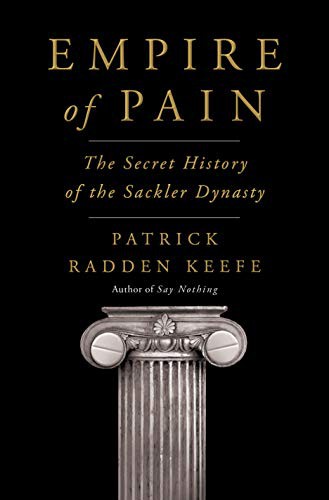
Empire of Pain
Patrick Radden Keefe · 2021
5.0 · 1 ratingPatrick Radden Keefe masterfully chronicles the rise and fall of the Sackler family, a dynasty whose immense wealth was built on the creation and aggressive marketing of OxyContin. This gripping narrative delves into the family's complex history, from their early innovations in pharmaceutical advertising to their profound, devastating impact on the opioid crisis. Keefe exposes the intricate web of philanthropy, art patronage, and legal maneuvering the Sacklers employed to shield their empire, revealing a chilling pattern of denial and deflection in the face of widespread suffering. Empire of Pain is a meticulously researched and deeply unsettling examination of greed, power, and the human cost of unchecked ambition.
- 22

Guns, Germs, and Steel: The Fates of Human Societies
Jared Diamond · 1997
5.0 · 1 ratingExplore the sweeping forces that have shaped human history in this Pulitzer Prize-winning masterpiece. Jared Diamond compellingly argues that geographical and environmental factors, rather than race, are the primary drivers behind the rise of civilizations and the disparities between societies. From the advent of agriculture to the development of writing, technology, and organized religion, discover how early advantages in food production led to the spread of writing, technology, government, and even the germs and weapons that influenced global conquest. This seminal work offers a profound and accessible refutation of racial theories, providing a stunningly clear account of how the modern world came to be.
- 23
The Templars
Dan Jones · 2017
4.0 · 1 ratingFrom their origins in the aftermath of the First Crusade to their dramatic downfall, this sweeping history traces the rise and transformation of the Knights Templar. It explores how a small religious brotherhood became a powerful military, financial, and political force spanning Europe and the Holy Land. Blending battlefield history with vivid portraits of medieval faith, ambition, and intrigue, the book separates enduring legend from the documented realities of the Templars’ extraordinary legacy.
- 24
Ghost on the Throne: The Death of Alexander the Great and the War for Crown and Empire
James Romm · 2011
4.0 · 1 ratingIn the aftermath of Alexander the Great’s sudden death, his vast empire is left without a clear successor and vulnerable to the ambitions of his generals. As rival commanders maneuver around a vulnerable royal family, alliances shift, battles erupt, and the dream of a unified empire gives way to a brutal struggle for power. Focusing on figures such as the resourceful Eumenes, this compelling historical narrative explores the political intrigue, military conflict, and personal rivalries that shaped the Hellenistic world. James S. Romm brings clarity and dramatic force to a turbulent chapter of antiquity, revealing how Alexander’s legacy became both a source of authority and a catalyst for war.
- 25
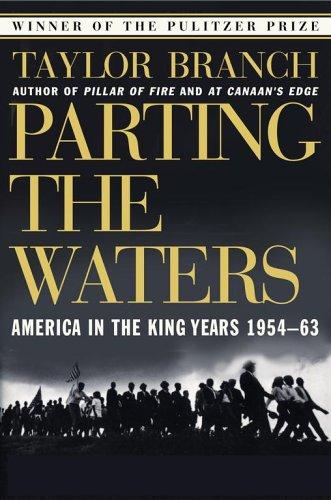
Parting the Waters: America in the King Years, 1954-63
Taylor Branch · 1988
5.0 · 1 ratingThis sweeping narrative traces the rise of the modern civil rights movement from the 1954 Brown v. Board of Education decision through the turbulent years of the early 1960s. It follows the grassroots organizers, visionary leaders, ordinary citizens, and political figures who confronted segregation and reshaped the national debate over justice and equality. Alongside landmark protests and legal battles, the book explores the movement’s strategic tensions, moral convictions, and profound personal costs. Meticulously researched and vividly told, it offers a landmark account of the people and events that transformed American democracy.
- 26
1491: New Revelations of the Americas Before Columbus
Charles C. Mann · 2005
Discover a revolutionary reimagining of pre-Columbian America that challenges everything you thought you knew about the indigenous civilizations that flourished before Columbus arrived. Charles C. Mann presents compelling evidence that the Americas were not a sparsely populated wilderness, but rather home to sophisticated, densely populated societies that actively shaped their environment through advanced agricultural techniques, urban planning, and landscape engineering. From the magnificent Aztec capital of Tenochtitlan—larger and cleaner than any contemporary European city—to the genetic engineering of corn itself, these civilizations demonstrated remarkable ingenuity and technological achievement. Drawing on groundbreaking archaeological and scientific research, Mann reveals how Native Americans were master manipulators of their world, fundamentally transforming our understanding of human achievement and environmental stewardship. This transformative work offers a fascinating and meticulously researched portrait of a rich, complex world that deserves to be rediscovered.
- 27
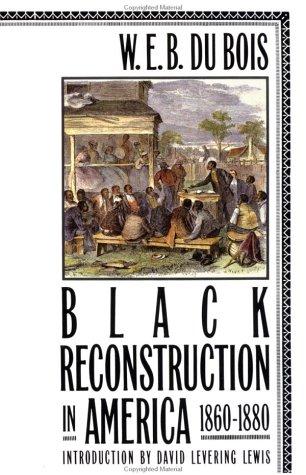
Black Reconstruction in America 1860-1880
W. E. B. Du Bois · 1935
4.0 · 1 ratingA landmark work of American history, this sweeping study reexamines the Civil War and Reconstruction through the central role of Black Americans in shaping the nation’s political, economic, and social future. Drawing on rigorous research and powerful analysis, it challenges traditional interpretations that diminish Black agency and reveals Reconstruction as a contested struggle over democracy, labor, citizenship, and racial justice. The book explores the achievements of formerly enslaved people, the forces of white resistance, and the enduring consequences of Reconstruction’s collapse. Both a foundational work of historical scholarship and a passionate argument for a more complete understanding of American history, it remains essential reading on race, power, and democracy.
- 28
Bury My Heart at Wounded Knee: An Indian History of the American West
Dee Brown · 1970
5.0 · 1 ratingThis seminal work chronicles the tragic and often brutal subjugation of Native American tribes in the American West during the latter half of the 19th century. Through meticulously researched historical accounts and the voices of those who lived through it, the book reveals the systematic betrayal, broken treaties, and violent conflicts that led to the decimation of indigenous cultures. It offers a powerful and unflinching perspective on the westward expansion, challenging the traditional narrative and centering the experiences of the Native peoples whose lives and lands were irrevocably altered. Dee Brown's profound narrative serves as a vital testament to the resilience and suffering of the Plains Indians, forever changing how the history of the American West is understood.
- 29
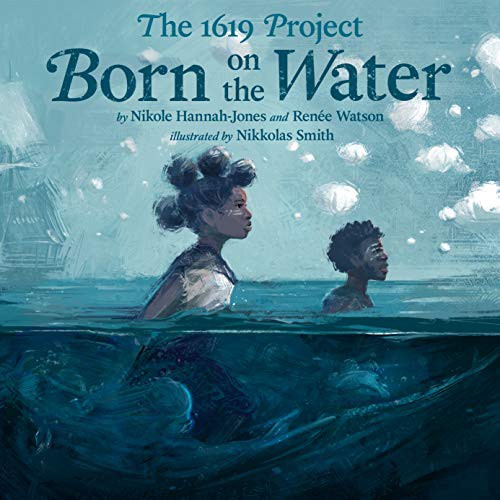
The 1619 Project: Born on the Water
Nikole Hannah-Jones · 2019
Spanning generations and geographies, this work traces how slavery and its afterlives shaped the United States—beginning with the arrival of enslaved Africans and the systems built to sustain them. Through vivid historical reporting and carefully grounded storytelling, it follows the lives, labor, and resistance that unfolded “on the water,” revealing how maritime routes, ports, and waterways became crucial arteries of exploitation and survival. The book illuminates themes of racial capitalism, memory, and the ongoing struggle for justice, asking readers to reconsider what the nation owes to the truth of its origins. Written with Nikole Hannah-Jones’s signature blend of rigorous research and narrative clarity, it invites both reflection and action by connecting past injustices to the present moment.
- 30
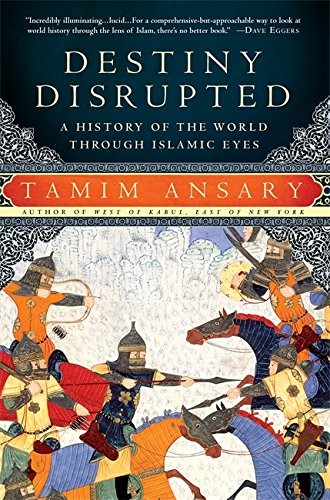
Destiny Disrupted
Mir Tamim Ansary · 2009
In a world where history feels preordained, this book follows the forces that bend, delay, and redirect what people believe is “destiny.” Through a sweeping, high-level look at pivotal moments and the choices behind them, it explores how power, belief, and circumstance collide—often producing outcomes no one could fully foresee. Blending personal insight with broader historical reflection, it examines themes of agency versus fate, the making of political and cultural narratives, and the human cost of upheaval. Written in a clear, accessible style that invites readers to think critically about the stories nations tell themselves, it offers a compelling lens on how disruption can reshape the future.
- 31
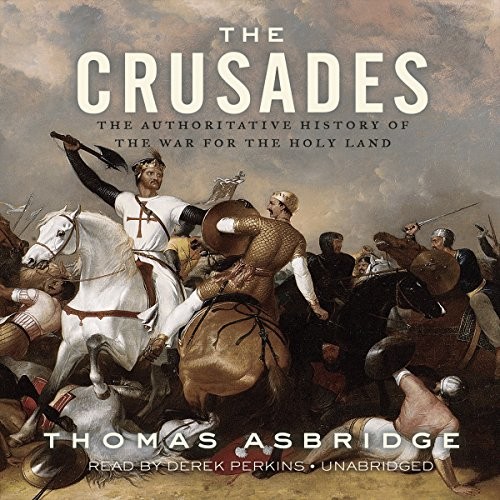
The Crusades
Thomas Asbridge · 2010
Thomas Asbridge's "The Crusades" offers a sweeping and authoritative narrative of one of history's most pivotal and controversial periods. This meticulously researched account delves into the complex motivations, brutal realities, and far-reaching consequences of the Christian military expeditions to the Holy Land. Asbridge masterfully navigates the clash of cultures and faiths, exploring the lives of kings, popes, and ordinary soldiers caught in the fervor of religious zeal and political ambition. The book provides a vivid and nuanced understanding of the Crusades, examining their impact on both the East and West and their enduring legacy in the modern world.
- 32
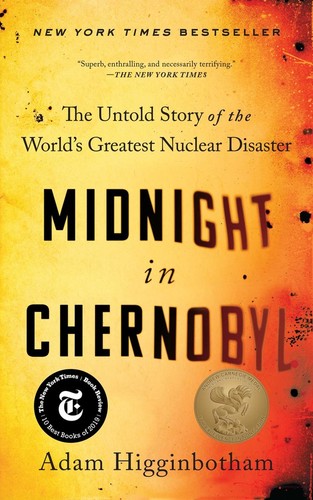
Midnight in Chernobyl
Adam Higginbotham · 2019
Adam Higginbotham's "Midnight in Chernobyl" meticulously reconstructs the events leading up to and following the catastrophic 1986 nuclear disaster. Drawing on extensive research and interviews, the book delves into the complex interplay of human error, systemic flaws, and political ambition that culminated in the explosion at the Soviet Union's Chernobyl Atomic Energy Station. It offers a gripping narrative of the scientists, engineers, and ordinary citizens caught in the heart of the unfolding tragedy, exploring themes of technological hubris, the cost of secrecy, and the enduring human spirit in the face of unimaginable devastation. This definitive account provides an unparalleled look at one of the 20th century's most significant and terrifying events.
- 33
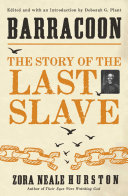
Barracoon
Zora Neale Hurston · 2018
4.0 · 1 ratingIn the late 1920s, Zora Neale Hurston travels to Plateau, Alabama to record the life story of Cudjo Lewis, one of the last living witnesses to the Atlantic slave trade. Through Hurston’s attentive, compassionate listening and Cudjo’s vivid, distinctive voice, the narrative traces his capture, confinement in a barracoon, and the brutal realities of the Middle Passage aboard the Clotilda—followed by the long struggle to survive slavery in America. More than a historical account, this book confronts the enduring psychological and cultural damage of enslavement while illuminating resilience, memory, and the power of testimony. Hurston’s landmark literary style—grounded in vernacular speech and human immediacy—turns a singular life into a profound lens on national history and its unfinished reckoning.
- 34
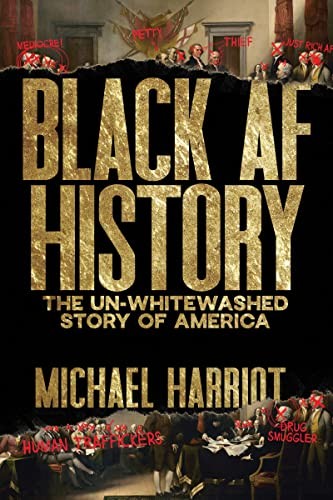
Black AF History
Michael Harriot · 2020
5.0 · 1 ratingBlending sharp wit with rigorous historical insight, this book traces the overlooked and under-taught stories that shaped Black life in America and beyond. Through a series of accessible, high-impact chapters, it connects major moments and movements to the everyday realities they influenced—inviting readers to see history not as distant trivia, but as a living force. With themes of resistance, identity, power, and cultural legacy at the forefront, it challenges common narratives while celebrating the ingenuity and resilience of Black communities. Written in Michael Harriot’s distinctive, conversational style, it’s both a guide for the curious and a rallying call for anyone ready to understand the past more honestly.
- 35

Killers of the Flower Moon: The Osage Murders and the Birth of the FBI
David Grann · 2017
In the 1920s, members of the Osage Nation in Oklahoma were murdered one by one after oil was discovered on their land, a series of chilling crimes that baffled local authorities. As the death toll mounted, the newly formed FBI, under the leadership of J. Edgar Hoover, took on the case, sending in a team of undercover agents to unravel the sinister conspiracy. David Grann masterfully reconstructs this dark chapter in American history, exposing the greed, betrayal, and systemic injustice that led to the murders and revealing how the investigation became a pivotal moment in the birth of modern law enforcement.
- 36
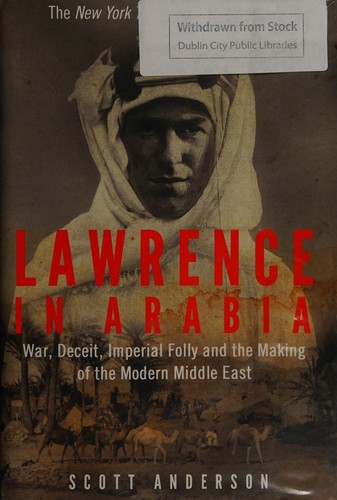
Lawrence in Arabia
Scott Anderson · 2013
This meticulously researched narrative plunges into the tumultuous landscape of the Middle East during World War I, centering on the enigmatic figure of T.E. Lawrence. It chronicles his extraordinary rise from archaeologist to military leader, guiding a diverse Arab army against the Ottoman Empire. The book offers a profound re-examination of the Arab Revolt and its pivotal role in shaping the modern Middle East, revealing the complex political machinations and personal dramas that defined this critical historical period. Anderson's work is a compelling exploration of ambition, cultural collision, and the enduring legacy of imperial ambitions.
- 37

Mis-Education of the Negro
Carter G. Woodson · 1933
In this seminal work, Carter G. Woodson critically examines how the American education system, from the post-Civil War era into the early 20th century, actively oppressed rather than empowered Black students. Woodson argues that the prevailing educational approach aimed to mold Black individuals according to white societal norms, rather than fostering their true potential and critical thinking. He exposes how this system, particularly in theological, professional, and political spheres, served as a tool for social control, hindering the pursuit of equality. Woodson calls for a radical shift, emphasizing the need for Black scholars to conduct self-directed research and for education to cultivate innovation and self-reliance within the Black community.
- 38
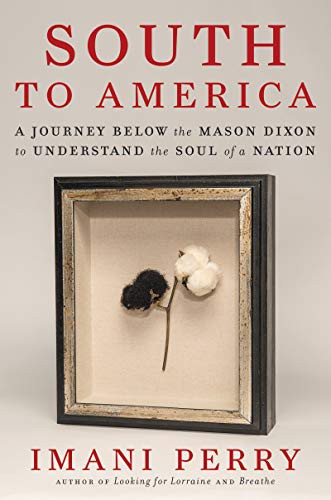
South to America
Imani Perry · 2020
5.0 · 1 ratingSouth to America traces the long, complicated journey of Black life and thought as it moves through the United States—linking history, culture, and politics across generations. Through a wide-ranging exploration of literature, social movements, and public life, it illuminates how ideas travel, how communities build meaning, and how the nation’s promises are tested by racial power. With Imani Perry’s incisive, accessible scholarship, the book connects the “South” to the broader American story, showing how geography becomes a lens for understanding freedom, belonging, and struggle. Equal parts intellectual history and cultural analysis, it invites readers to see America not as a fixed destination, but as an ongoing argument shaped by those who have been forced to fight for their place within it.
- 39
Stony the Road
Henry Louis Gates, Jr. · 2020
5.0 · 1 ratingFrom the end of slavery through Reconstruction’s collapse and into the nadir of Jim Crow, this sweeping history traces how African Americans fought to secure freedom—and how a violent counter-revolution reasserted a rigid color line. Using close readings of the era’s visual culture, Henry Louis Gates, Jr. reveals the many faces of segregation and the structural forces that turned emancipation into a promise repeatedly deferred. Moving toward World War I and the Harlem Renaissance, the book highlights the “New Negro” vision and the cultural and political strategies—by thinkers and activists such as W. E. B. Du Bois and Ida B. Wells—that challenged America’s official story. Blending scholarly rigor with Gates’s distinctive public-intellectual voice, it connects past terror and resistance to the racial realities of the present, offering both a bracing reckoning and a testament to enduring hope.
- 40
The Invention of Nature: Alexander von Humboldt's New World
Andrea Wulf · 2015
3.0 · 1 ratingAndrea Wulf resurrects the forgotten genius of Alexander von Humboldt, the intrepid explorer and scientist whose revolutionary ideas reshaped our understanding of nature. Humboldt's daring expeditions across the globe revealed a radical vision of nature as a complex, interconnected force, a concept that profoundly influenced thinkers like Darwin, Thoreau, and Muir. This brilliantly researched biography illuminates Humboldt's poetic prose, his prescient warnings about human-induced climate change, and his enduring legacy in environmental thought. Wulf compellingly argues for a renewed appreciation of this pivotal figure who laid the groundwork for modern ecological understanding.
- 41
The Origin of Species
Charles Darwin · 1859
5.0 · 1 ratingCharles Darwin's seminal work, "On the Origin of Species," fundamentally reshaped our understanding of life on Earth. This groundbreaking text introduces the theory of evolution by natural selection, proposing that species change over time through a process of "survival of the fittest." Darwin meticulously details his observations and arguments, illustrating the intricate web of life and the profound interconnectedness of all living organisms. Written with remarkable clarity and literary grace, the book remains a cornerstone of modern science and a testament to the power of empirical observation and logical reasoning.
- 42
The Prize: The Epic Quest for Oil, Money and Power
Daniel Yergin · 1991
Daniel Yergin's seminal work, "The Prize," masterfully chronicles the tumultuous history of oil, tracing its profound impact on global politics, economics, and society. This comprehensive narrative delves into the relentless pursuit of this vital resource, revealing how it has shaped empires, fueled industrial revolutions, and ignited conflicts throughout the modern era. Yergin's unparalleled research and engaging prose illuminate the intricate web of power, wealth, and ambition that surrounds the "black gold" and its enduring influence on the world stage. Prepare to embark on an epic journey through over a century of discovery, innovation, and struggle for control of the world's most coveted commodity.
- 43
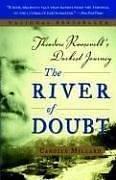
The River of Doubt
Candice Millard · 2006
4.0 · 1 ratingIn 1913, Theodore Roosevelt, a former president still brimming with vigor, embarked on an expedition into the heart of the Amazon rainforest. His goal: to navigate the treacherous and uncharted "River of Doubt," a journey that would push him and his men to the absolute limits of human endurance. Candice Millard masterfully recounts this harrowing adventure, detailing the relentless dangers of the jungle, the constant threat of starvation, and the ever-present specter of betrayal. This gripping narrative explores themes of courage, obsession, and the indomitable will of a man confronting his own mortality in one of the world's most unforgiving landscapes.
- 44
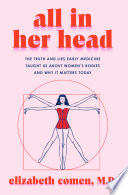
All in Her Head: The Truth and Lies Early Medicine Taught Us About Women’s Bodies and Why It Matters Today
Elizabeth Comen · 2023
5.0 · 1 ratingThis groundbreaking work dismantles the historical and ongoing biases in medical research and practice that have systematically undervalued and misunderstood women's health. It uncovers how centuries of 'learned ignorance' have led to misdiagnoses, inadequate treatments, and a persistent gap in understanding female physiology. By tracing the roots of these medical myths and revealing their modern-day consequences, the book empowers readers with crucial knowledge about their own bodies. It serves as a vital call to action for a more equitable and effective future in women's healthcare.
- 45
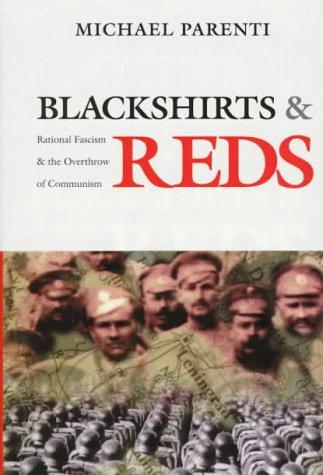
Blackshirts and Reds: Rational Fascism and the Overthrow of Communism
Michael Parenti · 1997
In "Blackshirts and Reds," Michael Parenti offers a provocative analysis of fascism and communism, challenging conventional historical narratives. He argues that fascism, far from being a mere aberration, represents a rational response by capital to the threat of socialist revolution. Parenti meticulously examines the economic and political forces that fueled fascist movements and contrasts them with the ideological underpinnings and practical outcomes of communist states. This work is essential for understanding the historical struggle between capitalism and communism and the enduring appeal of authoritarian ideologies.
- 46

Born a Crime: Stories From a South African Childhood
Trevor Noah · 2016
5.0 · 2 ratingsThis memoir chronicles a remarkable childhood in South Africa, set against the backdrop of apartheid's end and the dawn of a new era. Born to a white father and a black mother, the author's very existence was a crime, forcing him into a hidden early life. As he navigates adolescence and young adulthood, he grapples with identity, poverty, and the complex relationship with his fiercely independent mother. These personal essays offer a hilarious, poignant, and unflinching look at resilience, love, and finding one's place in a world that tried to erase him.
- 47
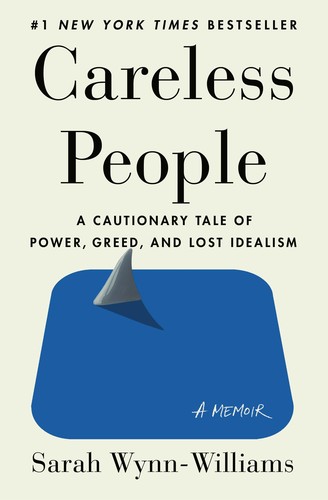
Careless People: A Cautionary Tale of Power, Greed, and Lost Idealism
Sarah Wynn-Williams · 2025
In this unflinching memoir, Sarah Wynn-Williams offers a rare and intimate look inside the corridors of power at one of the world's most influential tech giants. She chronicles her journey from idealistic newcomer to disillusioned insider, revealing the intoxicating allure and corrosive effects of unchecked ambition. The narrative delves into the complex interplay of power, greed, and the erosion of personal values within a corporate culture that prioritizes growth above all else. Wynn-Williams's candid account serves as a potent cautionary tale about the human cost of technological advancement and the compromises made in the pursuit of influence.
- 48
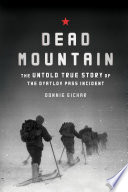
Dead Mountain: The Untold True Story of the Dyatlov Pass Incident
Donnie Eichar · 2013
In the frigid heart of the Ural Mountains, nine experienced hikers met a mysterious and terrifying end, leaving behind an enigma that has baffled investigators for decades. This gripping account meticulously reconstructs the final days of the Dyatlov expedition, weaving together the hikers' harrowing journey with the relentless efforts of the search parties and investigators who sought to unravel the truth. Through a masterful blend of narrative and investigative detail, the book offers a chilling glimpse into the Soviet era and the enduring mystery of what truly happened on Dead Mountain.