Popular Psychological Fiction Books
The psychological fiction books Readstead readers shelve most, out of 51 in the catalog.
- 1

The Idiot
Fyodor Dostoevsky · 1869
5.0 · 1 ratingPrince Myshkin, a man of profound innocence and Christ-like virtue, returns to Russia after a period of convalescence, only to be drawn into the complex and often destructive emotional lives of those around him. He becomes entangled in a passionate love triangle involving the beautiful but tormented Nastasya Filippovna and the proud, idealistic Aglaia Yepanchina, both of whom are also pursued by the materialistic Ganya Ivolgin. As Myshkin navigates this treacherous social landscape with his unwavering honesty and compassion, he confronts the stark realities of human passion, greed, and moral compromise. Dostoyevsky masterfully explores themes of faith, suffering, and the devastating consequences of idealism in a corrupt world, questioning whether goodness can truly triumph in the face of societal decay.
- 2

Discontent
Beatriz Serrano · 2025
3.0 · 1 ratingIn a vibrant Madrid, a young professional named Marisa navigates a life that appears perfect on the surface, yet is plagued by a profound sense of existential unhappiness. Her days are a monotonous cycle of a draining job and superficial connections, leaving her questioning her own potential and purpose. When a colleague's unexpected death and the reappearance of an old friend shatter her carefully maintained routine, Marisa is compelled to confront the simmering discontent she has long ignored. This darkly comic and sharply witty novel delves into the pervasive themes of modern alienation, the elusive search for meaning, and the quiet desperation that can lie beneath a seemingly flawless existence.
- 3

A Pale View of Hills
Kazuo Ishiguro · 1982
3.0 · 1 ratingIn this haunting debut novel, an aging Japanese woman living in England reflects on her past, weaving together fragmented memories of post-war Japan and her present life with her daughter. Through a series of conversations and recollections, she grapples with the complexities of motherhood, cultural displacement, and the weight of unspoken secrets that have shaped her family's history. Kazuo Ishiguro's lyrical prose and subtle narrative technique create an atmosphere of quiet melancholy, where the true nature of events remains deliberately ambiguous and open to interpretation. The novel explores themes of identity, loss, and the ways in which we construct and reconstruct our personal narratives to make sense of our lives. A masterful exploration of memory and its unreliability, this work established Ishiguro as a major literary voice and won the Whitbread Book Award.
- 4

Pale Fire
Vladimir Nabokov · 1962
Vladimir Nabokov's "Pale Fire" presents a dazzling literary puzzle, framed as the annotated edition of a posthumous poem by John Shade. The true narrative, however, unfolds through the increasingly erratic and self-serving commentary of Shade's neighbor, Professor Charles Kinbote. Kinbote's extensive notes, ostensibly meant to illuminate Shade's verse, instead become a labyrinth of delusion, weaving a fantastical tale of a deposed king and his escape from a distant, mythical land. This masterful novel explores themes of authorship, interpretation, madness, and the unreliable nature of memory, all while showcasing Nabokov's signature wit and linguistic brilliance.
- 5
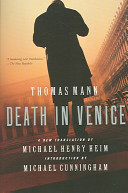
Death in Venice
Thomas Mann · 1912
Thomas Mann's haunting novella explores the inner turmoil of Gustav von Aschenbach, a renowned writer seeking solace and inspiration in the beautiful yet decaying city of Venice. As an epidemic silently spreads through the city, Aschenbach finds himself consumed by an obsessive infatuation with a young boy, Tadzio. This descent into forbidden desire becomes a profound meditation on the nature of art, beauty, and the artist's struggle with their own destructive impulses. Mann masterfully crafts a tale of intellectual and erotic doom, set against the backdrop of a world on the brink of war.
- 6

Good Morning, Midnight
Jean Rhys · 1967
5.0 · 1 ratingIn this haunting modernist novel set in 1930s Paris, Sasha—a middle-aged woman adrift in a modest hotel room—confronts the wreckage of her life with a mixture of resignation and dark humor. Fleeing a broken marriage and the grip of poverty and alcoholism in London, she navigates the streets of Paris with a carefully maintained indifference that masks an underlying despair. Through Rhys's unflinching prose, readers experience the slow unraveling of a woman determined to survive despite mounting hopelessness, as an undercurrent of dread suggests that this sojourn will not end well. A powerful portrait of isolation and decline, the novel lingers in the reader's mind long after the final page, offering a deeply personal exploration of loss and the human struggle to maintain dignity in the face of diminishing circumstances.
- 7
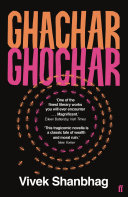
Ghachar Ghochar
Vivek Shanbhag · 2017
3.0 · 1 ratingThis quietly enthralling and deeply unsettling novel explores the profound and often corrosive impact of sudden wealth on a middle-class family in Bangalore. As an uncle's spice business unexpectedly flourishes, the family's fortunes change dramatically, leading to a cascade of shifting dynamics, moral compromises, and altered relationships. Told from the perspective of a narrator intimately tied to this transformation, the story delves into the psychological effects of prosperity and the tangled nature of ambition, loyalty, and familial bonds. Vivek Shanbhag masterfully dissects India's social hierarchy and economic shifts, revealing how financial success can unravel the very fabric of human connection.
- 8
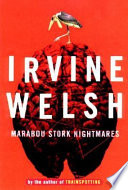
Marabou Stork Nightmares
Irvine Welsh · 1995
In Irvine Welsh's "Marabou Stork Nightmares," readers are plunged into the fractured consciousness of Roy Strang, a young man adrift in a coma. Through a disorienting blend of memories, hallucinations, and waking nightmares, the novel explores the dark underbelly of predatory masculinity and its devastating consequences. Welsh's signature raw and unflinching style dissects themes of violence, addiction, and the desperate search for redemption amidst profound psychological turmoil. This is a visceral journey into the mind of a man grappling with his past actions and the blurred lines between reality and delusion.
- 9

Someone to Watch over You
Kumi Kimura · 2025
4.5 · 1 ratingIn the unsettling quiet of early 2020, as the world grapples with the unprecedented spread of COVID-19, two solitary souls find themselves sharing a home, each desperate to escape the shadows of their past. One, a former security guard haunted by a fatal encounter, and the other, a teacher burdened by accusation, navigate their shared space with deliberate distance. Their connection, forged not through words but through notes and the silent acknowledgment of presence, offers a fragile sanctuary in an atmosphere thick with tension and fear. This poignant novella masterfully explores the complexities of isolation, the search for safety, and the profound, often unnerving, ways human connection can bloom even in the most disquieting of circumstances.
- 10
The Kindly Ones
Jonathan Littell · 2009
This novel plunges into the heart of darkness through the eyes of Dr. Maximilien Aue, a seemingly ordinary man whose life takes a horrific turn when he is coerced into the SS. What begins as an escape from personal peril transforms into a descent into the atrocities of war and the Holocaust. The narrative unflinchingly explores themes of guilt, complicity, and the desperate struggle for survival amidst unimaginable brutality. Littell crafts a deeply immersive and disturbing experience, forcing readers to confront the darkest aspects of human nature and the banality of evil.
- 11

The Rooftop
Fernanda Trías · 2021
In a decaying apartment building, a father and daughter isolate themselves from a world they no longer trust, finding their only solace on the rooftop. As their connection to the outside world dwindles, marked by the absence of a neighbor and the phantom presence of a lover, a suffocating paranoia begins to take hold. Through the eyes of Clara, the narrative plunges into a desperate struggle for freedom and survival, where the boundaries of reality blur and the future looms with an inescapable dread.
- 12
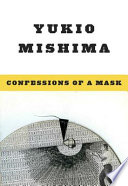
Confessions of a Mask
Yukio Mishima · 1958
This searing novel delves into the inner turmoil of a young Japanese boy navigating the complex landscape of identity and desire during the tumultuous years leading up to and during World War II. Tormented by a burgeoning homosexuality he perceives as a dangerous deviation from societal norms, the protagonist constructs a carefully crafted "mask" to conceal his true self. Through his introspective journey, the narrative explores themes of alienation, the performance of identity, and the profound struggle to reconcile inner truth with outward appearance. Mishima's exquisite prose masterfully captures the psychological intensity and aesthetic sensibilities of a soul grappling with forbidden desires in a world that demands conformity.
- 13

The Box Man
Kobo Abe · 1973
In this surreal and thought-provoking novel, a nameless protagonist sheds his identity to live within the confines of a cardboard box, transforming his existence into a unique form of urban exploration. As he navigates the streets of Tokyo, his enclosed world becomes a canvas for his observations, blurring the lines between reality and imagination. He encounters enigmatic figures—a persistent marksman, a beguiling nurse, and a doctor yearning for his own boxed existence—each adding layers to his disorienting journey. Kobo Abe masterfully crafts a bizarre yet compelling fable that delves into the profound questions of self, perception, and the nature of reality.
- 14
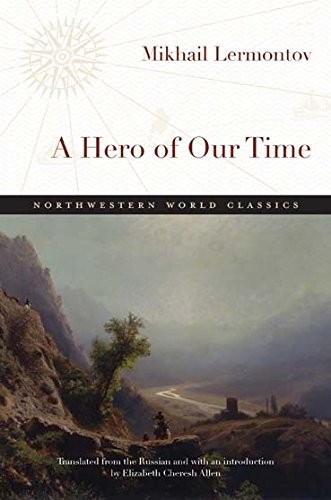
A Hero of Our Time
Mikhail Lermontov · 1840
Mikhail Lermontov's seminal novel offers a searing portrait of Grigori Aleksandrovich Pechorin, a complex and enigmatic protagonist who embodies the disillusionment and ennui of a generation. Through a series of interconnected narratives, the novel delves into Pechorin's restless existence, his manipulative relationships, and his philosophical musings on fate and free will. Lermontov masterfully explores themes of alienation, the search for meaning, and the destructive nature of a restless spirit against the backdrop of the dramatic Caucasus landscape. This groundbreaking work is celebrated for its psychological depth and its unflinching examination of the human condition, solidifying its place as a cornerstone of Russian literature.
- 15
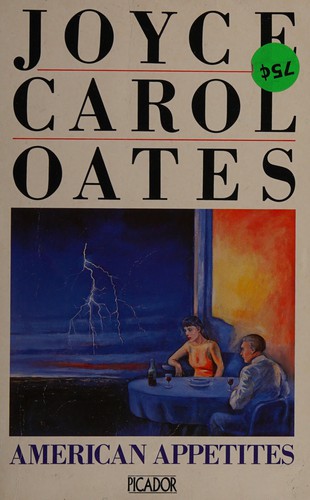
American Appetites
Joyce Carol Oates · 1989
In the affluent suburbs of the late 1980s, a chilling narrative unfolds, exposing the dark underbelly of the American Dream. This sophisticated and witty novel delves into the insatiable appetites that drive us—for power, for love, and for the elusive promise of happiness. Through masterful storytelling, Joyce Carol Oates crafts a compelling portrait of a family and a society grappling with hidden desires and the devastating consequences of unchecked ambition. Prepare to be captivated by a story that is as thought-provoking as it is unsettling.
- 16
A Severed Head
Iris Murdoch · 1961
Iris Murdoch's "A Severed Head" plunges into the disorienting world of Martin Lynch-Gibbon, a man whose seemingly stable life unravels when his wife leaves him for their psychoanalyst. As Martin navigates a series of increasingly bizarre and entangled relationships, he finds himself drawn into a complex web of desire, deception, and philosophical inquiry. Murdoch masterfully explores themes of identity, freedom, and the elusive nature of reality, using Martin's journey to question the very foundations of human connection and self-knowledge. This darkly comic and intellectually stimulating novel challenges readers to confront the hidden desires and societal illusions that shape our lives.
- 17
Beware of Pity
Stefan Zweig · 1939
In the twilight of the Austro-Hungarian Empire, a young officer's well-intentioned pity ignites a devastating chain of events. His seemingly innocent gestures of compassion towards a disabled young woman, born from a moment of awkwardness, inadvertently foster a dangerous hope. As his guilt-ridden visits escalate, the delicate balance between kindness and deception begins to crumble, leading to a profound exploration of honor, love, and the destructive power of misplaced sympathy. Stefan Zweig masterfully crafts a poignant narrative that delves into the psychological complexities of human relationships and the tragic consequences of emotional entanglement.
- 18

Cold Heaven
Brian Moore · 1983
In the sun-drenched French Riviera, a tragic boating accident leaves Marie Davenport a widow, but her grief is complicated by the fact that she was planning to leave her husband. As she navigates the immediate aftermath and the unexpected attention it brings, Marie finds herself drawn into a complex web of faith, doubt, and the possibility of the miraculous. This novel masterfully explores themes of spiritual crisis, the nature of belief, and the unexpected turns of fate, all set against a backdrop of intense personal turmoil.
- 19
Confessions of Zeno
Italo Svevo · 1923
This novel offers a darkly humorous and introspective journey into the mind of Zeno, a man attempting to understand his own life through psychoanalysis. As Zeno recounts his past, readers are drawn into a world of failed resolutions, complicated relationships, and a pervasive sense of self-deception. The narrative masterfully explores themes of desire, the search for meaning, and the inherent chaos of existence, all filtered through Zeno's uniquely unreliable perspective. Italo Svevo's distinctive style presents a deeply flawed yet strangely relatable protagonist grappling with the absurdity of modern life.
- 20
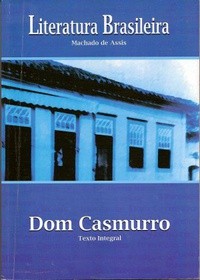
Dom Casmurro
Machado de Assis · 1899
In this masterful work of Brazilian literature, an aging narrator, Bento Santiago, recounts his life story, haunted by the specter of jealousy and doubt. Once destined for the priesthood, his path diverged when love intervened, leading him to marry his childhood sweetheart. However, the seeds of suspicion are sown, and Bento becomes consumed by the belief that his wife's infidelity with his closest friend has irrevocably altered his family's fate. Machado de Assis crafts a psychologically complex narrative, blurring the lines between memory, perception, and reality, leaving the reader to question the very nature of truth.
- 21
Faces in the Water
Janet Frame · 1961
Janet Frame's Faces in the Water offers a profound and unflinching exploration of life within the confines of a 1950s New Zealand mental institution, drawing heavily from the author's own harrowing experiences. Through the eyes of protagonist Istina Mavet, the novel delves into the complexities of mental illness, questioning societal perceptions of sanity and madness. Frame's powerful prose vividly portrays the psychological landscape of her characters, revealing the profound isolation and misunderstood realities faced by those deemed 'insane'. This poignant work serves as a stark examination of institutional treatment and the enduring human spirit amidst profound adversity.
- 22
Hardboiled and Hard Luck
Banana Yoshimoto · 2001
In two poignant novellas, Banana Yoshimoto delves into the lingering shadows of love, loss, and unspoken grief. The first story follows a woman grappling with the anniversary of her lover's death as she ascends a remote mountain, confronting the echoes of their past. The second introduces a narrator keeping vigil by her sister's bedside, unearthing buried family secrets and the complexities of sisterhood. Yoshimoto's signature lucid and disarming prose masterfully explores the intimate landscapes of memory and the quiet resilience of the human heart.
- 23
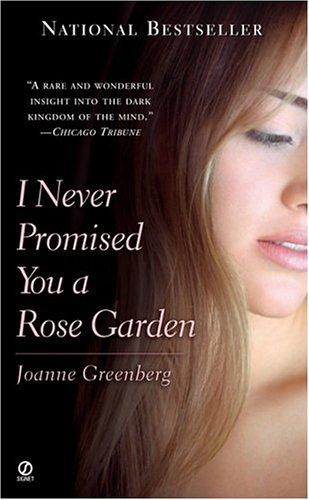
I Never Promised You a Rose Garden
Hannah Green · 1964
This powerful novel plunges into the mind of Deborah, a sixteen-year-old girl who escapes the harsh realities of her life by retreating into a meticulously crafted, yet perilous, inner kingdom. The narrative chronicles her arduous three-year struggle for sanity, a journey marked by the creation of gods and demons within her own psyche. Through her relationship with a perceptive therapist, Deborah embarks on a painful but ultimately hopeful path toward self-understanding and a return to the external world. The author masterfully explores themes of mental illness, the power of imagination, and the profound impact of trust and empathy in the healing process.
- 24
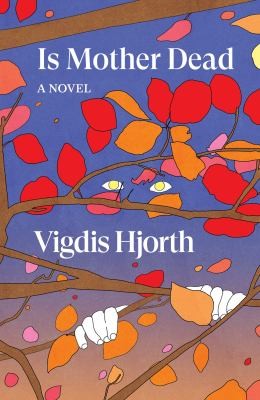
Is Mother Dead
Vigdis Hjorth · 2020
Johanna, a successful artist, returns to Oslo for a career retrospective, but her homecoming is overshadowed by the complex and fraught relationship with her mother. As Johanna navigates the demands of her exhibition and the ghosts of her past, she confronts the deep-seated estrangement that has defined their connection. This novel delves into the intricate dynamics of family, exploring themes of betrayal, unspoken resentments, and the enduring, often painful, ties that bind mothers and daughters. Through sharp prose and unflinching honesty, the narrative probes the difficult truths that lie beneath the surface of familial love.
- 25
Jealousy
Alain Robbe-Grillet · 1957
In this disorienting narrative, an unnamed narrator on a South American banana plantation becomes consumed by suspicion and paranoia, convinced his wife is having an affair. Through fragmented, repetitive observations and an obsessive focus on visual details, the novel plunges the reader into the narrator's fractured consciousness. Robbe-Grillet masterfully dissects the nature of perception and the subjective experience of reality, challenging traditional notions of plot and character. The story unfolds not through action, but through the relentless internal monologue of a mind unraveling under the weight of its own jealousy.
- 26
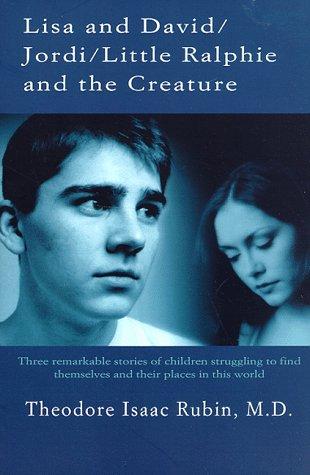
Lisa and David
Theodore Isaac Rubin · 1961
In this poignant novel, Theodore Isaac Rubin delves into the complex inner worlds of two deeply troubled adolescents, Lisa and David. David, a boy of extraordinary intellect and mathematical prowess, grapples with bitterness and an obsessive need for order, while Lisa navigates the disorienting landscape of a fractured identity. Their burgeoning friendship becomes a fragile bridge, offering a glimmer of hope as they tentatively begin to break down the walls of their isolation. This is a profound exploration of mental illness, the arduous journey toward healing, and the transformative power of human connection.
- 27
Macbeth
Jo Nesbø · 2018
In a gritty, rain-soaked industrial town dominated by a casino and warring drug cartels, a high-ranking police officer finds himself entangled in a dangerous web of ambition and betrayal. This reimagining of Shakespeare's classic tragedy plunges readers into a 1970s underworld where power is seized through violence and loyalty is a fragile commodity. As Macbeth ascends the ranks, he must confront the corrupting influence of his own desires and the ominous prophecies that threaten to consume him. Jo Nesbø masterfully crafts a dark, atmospheric thriller that explores the timeless themes of guilt, fate, and the devastating consequences of unchecked ambition.
- 28
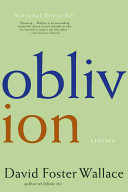
Oblivion
David Foster Wallace · 2005
David Foster Wallace's *Oblivion* is a collection of intricately crafted stories that merge raw human vulnerability with the labyrinthine complexities of self-consciousness in ways only Wallace could achieve. From a father's profound isolation glimpsed through his son's classroom reverie to the absurd office dynamics surrounding an artist's impossible miniature sculptures, each story constructs a fully realized world that is simultaneously surreal and devastatingly intimate. Wallace explores the deepest wells of human experience—loneliness, creativity, love's dissolution, and the desperate ways we misunderstand one another—with a combination of philosophical depth and dark humor that feels both preposterously inventive and painfully true. These are stories that operate on multiple registers at once, where the mundane becomes metaphysical and the ridiculous becomes profound. *Oblivion* stands as a testament to Wallace's unparalleled ability to capture the ache of existence through the most unexpected narrative angles.
- 29
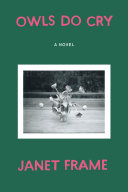
Owls Do Cry
Janet Frame · 1957
Janet Frame's debut novel, *Owls Do Cry*, is a poignant and unflinching exploration of the Withers family and their struggles within a restrictive society. The narrative follows siblings Francie, Toby, Chicks, and Daphne as they navigate childhood, work, and the profound challenges of mental illness, with Daphne's rich inner world leading her to institutionalization. Frame masterfully weaves a tale of profound sadness and waste, yet imbues it with moments of great treasure and beauty, offering a devastating reflection on societal norms and the fate of those who deviate. This classic of New Zealand literature is a startlingly original and timeless work, giving voice to the sensitive and the marginalized.
- 30
Portrait of a Man Unknown
Nathalie Sarraute · 1948
An unnamed narrator grapples with the challenge of describing a man he barely knows, a figure shrouded in mystery and defined by his extreme avarice. As the narrator delves deeper, he uncovers the complex and often disturbing relationship between this miserly man and his sensitive daughter. This novel explores the elusive nature of identity and the profound difficulty of truly knowing another person, even when their outward lives seem transparent. Sarraute masterfully dissects the inner workings of perception and the subjective reality we construct around others.
- 31

Second Skin
John Hawkes · 1963
John Hawkes's *Second Skin* plunges readers into a narrative of profound loss and the arduous journey toward self-reclamation. Told through the voice of a man haunted by a past riddled with suicide, murder, and brutal trauma, the novel explores the desperate search for solace and a new beginning. As the protagonist navigates desolate landscapes and the treacherous currents of memory, he grapples with the remnants of his former life, seeking to shed the weight of his experiences like an old skin. This powerful exploration of transformation and survival, rendered in Hawkes's distinctive, often disquieting prose, ultimately offers a vision of finding peace amidst the ruins of one's past.
- 32

Silence
Natasha Preston · 2012
For eleven years, Oakley Farrell has lived in a world of silence, a choice made at the tender age of five that has left her isolated and misunderstood. Despite the challenges and the bullying she endures at school, Oakley finds solace and a flicker of connection in her friendship with Cole Benson. This poignant story delves into the profound impact of unspoken trauma and the quiet strength found in unexpected bonds. It explores themes of resilience, the search for voice, and the enduring power of friendship in the face of adversity.
- 33
Sisterland
Curtis Sittenfeld · 2013
In the wake of a devastating earthquake, a woman finds her life upended not only by the natural disaster but by the unsettling predictions of her twin sister, a self-proclaimed medium. As the earth trembles and public attention intensifies, she must confront the possibility that her sister's uncanny abilities might be real, and that she herself may possess a hidden power. This gripping novel explores themes of family, faith, and the extraordinary potential that lies dormant within us, all while navigating the chaos of a world on the brink.
- 34
Sleep Has His House
Anna Kavan · 1947
This novel plunges into the surreal landscape of a young girl's inner world as she retreats from a harsh reality into the seductive realm of dreams and fantasy. It is less a story of plot and more an exploration of the language of the night, capturing the essence of sleep and imagination. Through a daring synthesis of memoir and surrealist experimentation, the narrative chronicles a gradual withdrawal from the daylight world, revealing a profound connection to a nocturnal existence that holds its own unique illuminations. The book invites readers to contemplate the unspoken dialect of childhood and dreams, a language often felt but rarely articulated in the waking world.
- 35
Sweet Days of Discipline
Fleur Jaeggy · 1991
In this haunting and precise novel, a young girl recounts her obsessive, platonic romance with a fellow student at a remote Swiss boarding school. Set in the stark beauty of the Alps, the narrative delves into the intense inner world of adolescence, where friendships can feel like the most profound love affairs. Through crystalline prose, the story explores themes of longing, isolation, and the indelible mark left by formative, often unarticulated, desires. This cult classic offers a chillingly intimate portrait of a girlhood shaped by unspoken devotion and the quiet discipline of memory.
- 36
The Aunt's Story
Patrick White · 1948
Following the death of her mother, middle-aged Theodora Goodman finds herself unexpectedly free from the constraints of her life as a dutiful spinster. Contemplating the quiet desert of her existence, she embarks on a journey of self-discovery, leaving behind the familiar landscape of Australia. This novel delves into Theodora's inner world as she navigates her newfound independence and confronts the profound questions of identity and belonging. Patrick White masterfully explores themes of isolation, the search for meaning, and the complexities of the human spirit in this poignant and introspective work.
- 37

The Birds
Tarjei Vesaas · 1957
In a remote lakeside setting, Mattis, a man with a profound intellectual disability, navigates a world of fragmented thoughts and vivid apparitions, cared for by his devoted sister, Hege. Their quiet existence is shattered when a visiting lumberjack captures Hege's attention, an event that Mattis perceives as a devastating betrayal. This poignant novel explores the profound connection between humanity and the natural world, the suffocating weight of unfulfilled potential, and the delicate balance of the human psyche. Through sparse, poetic prose, the narrative builds to a heartbreaking crescendo, revealing the deep emotional currents beneath a seemingly simple life.
- 38
The Blood Oranges
John Hawkes · 1971
In a sun-drenched, yet deeply unsettling Mediterranean landscape, Cyril pursues a fervent, almost primal vision of love and desire. The narrative unfolds in the aftermath of profound personal upheaval, where relationships have fractured and loyalties have dissolved. As Cyril navigates this fractured world, he grapples with themes of obsession, the destructive nature of passion, and the search for meaning in a landscape that mirrors his internal turmoil. Hawkes's distinctive prose plunges the reader into a visceral exploration of the human psyche, blurring the lines between reality and delusion.
- 39

The Double
Fyodor Dostoevsky · 1846
In this chilling psychological novella, a timid government clerk named Golyadkin encounters a man who is his exact double, a doppelgänger who is everything he is not: confident, charismatic, and socially adept. Initially bewildered, Golyadkin soon finds his life unraveling as this uncanny replica begins to systematically infiltrate his world, mimicking his actions and relationships with terrifying precision. As the double's influence grows, Golyadkin is plunged into a desperate struggle for his identity and sanity, questioning the very nature of reality and self. Dostoyevsky masterfully explores themes of alienation, social anxiety, and the fragmented self in a narrative that blurs the lines between perception and madness.
- 40
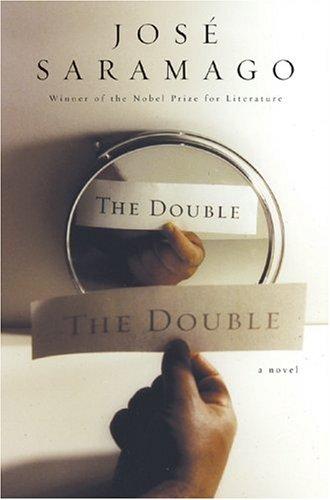
The Double
José Saramago · 2002
A lonely history teacher's life takes a surreal turn when he discovers an actor who is his exact double, leading him on a disquieting quest to uncover the truth about his uncanny look-alike. What begins as a peculiar coincidence spirals into a profound exploration of identity, selfhood, and the very nature of existence. As the lines between reality and illusion blur, this narrative delves into the unsettling implications of seeing oneself reflected in another, questioning what truly defines us beyond our physical form. Saramago masterfully crafts a thought-provoking tale that lingers long after the final page, challenging readers to consider the essence of individuality in a world increasingly fascinated by replication.
- 41

The Eternal Husband
Fyodor Dostoevsky · 1870
In this darkly comic novella, a grieving widower confronts the man who had an affair with his late wife, setting in motion a series of increasingly bizarre and tense encounters. As they navigate a world of societal expectations and personal vendettas, the two men become entangled in a desperate, almost farcical, quest for a new wife, revealing the complex and often destructive nature of human relationships. Dostoevsky masterfully explores themes of betrayal, honor, and the suffocating constraints placed upon women, all while crafting unforgettable characters who grapple with their own moral ambiguities in a corrupt society. This profound and ironic work showcases Dostoevsky's unparalleled insight into the human psyche, leaving readers to ponder the depths of obsession and the elusive nature of redemption.
- 42
The Falls
Joyce Carol Oates · 2004
Niagara Falls, a place of breathtaking beauty and terrifying power, becomes the central, inescapable force in the lives of the Erskine family. When a young bride's husband plunges to his death over the falls on their honeymoon, the tragedy casts a long shadow, ensnaring subsequent generations in its powerful, often destructive, mystique. This novel masterfully explores themes of love, loss, obsession, and the enduring, sometimes fatal, allure of the sublime, as the family grapples with the legacy of the falls and the secrets they hold. Joyce Carol Oates weaves a haunting narrative that delves into the depths of human desire and despair, set against the iconic, thundering backdrop of one of nature's most awe-inspiring wonders.
- 43

The Golden Bowl
Henry James · 1904
In this masterful late novel by Henry James, the intricate lives of two newly married couples become entangled by hidden histories and unspoken desires. As American heiress Maggie Verver and her Italian Prince, Amerigo, navigate their union, the shadow of Amerigo's past affair with Charlotte Stant, now married to Maggie's devoted father, looms large. The narrative unfolds with James's signature psychological depth, exploring themes of love, loyalty, and the corrosive power of secrets within the gilded cage of wealth and social expectation. The story masterfully dissects the complexities of human relationships, revealing how carefully constructed facades can crumble under the weight of truth.
- 44

The Insulted and Injured
Fyodor Dostoevsky · 1861
In a society rife with social injustice and moral decay, a young, idealistic man finds himself entangled in the lives of a diverse cast of characters struggling for survival. As he navigates the treacherous currents of poverty, betrayal, and unrequited love, he grapples with profound questions of faith, redemption, and the very nature of human suffering. Dostoyevsky masterfully explores the depths of the human psyche, revealing the intricate connections between despair and hope, cruelty and compassion, in this powerful examination of the downtrodden.
- 45
The Key
Junichiro Tanizaki · 1956
In this provocative novel, a middle-aged couple navigates the quiet desperation of a marriage devoid of passion, each harboring unspoken desires and suspicions. When the wife stumbles upon the key to her husband's private diary, she unlocks not only his hidden thoughts of jealousy and voyeurism but also a profound understanding of his soul. This discovery ignites a dangerous game of revelation and deception, as both partners begin to write with the unspoken intention of being read. Junichiro Tanizaki masterfully explores themes of intimacy, obsession, and the complex dynamics of marital relationships in this darkly humorous and psychologically charged narrative.
- 46
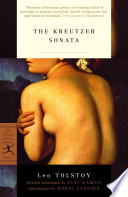
The Kreutzer Sonata
Leo Tolstoy · 1889
A gripping novella exploring the destructive power of jealousy, Leo Tolstoy's "The Kreutzer Sonata" plunges into the mind of Pozdnyshev, a man consumed by suspicion and rage. When he believes his wife is unfaithful with her music tutor, his consuming passion leads to a tragic act of violence. This controversial work delves into Tolstoy's fervent Christian ideals, dissecting the hypocrisies of marriage, the nature of lust, and the complex role of art in society. With its unflinching examination of human passion and societal norms, the novella remains a potent and thought-provoking exploration of morality and desire.
- 47
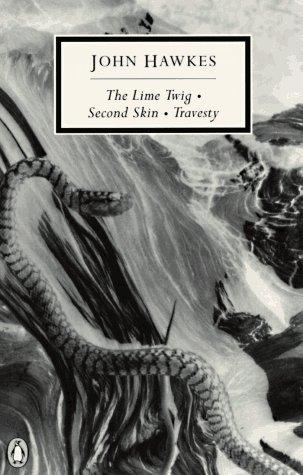
The Lime Twig
John Hawkes · 1961
In this gripping narrative, a desperate scheme unfolds to spirit away a prized racehorse and compete under a clandestine identity. The story delves into the shadowy underworld of racing, where ambition and deception intertwine with perilous consequences. Through vivid prose and a masterfully crafted plot, the novel explores themes of obsession, betrayal, and the elusive nature of freedom. Hawkes' signature experimental style immerses the reader in a world both thrilling and unsettling, leaving an indelible mark long after the final page.
- 48
Thérèse Desqueyroux
François Mauriac · 1927
In the sun-drenched landscape of Bordeaux, Thérèse Desqueyroux stands acquitted of a heinous crime: the attempted poisoning of her husband. Yet, freedom offers no solace as she navigates a world irrevocably altered by her actions and the secrets she carries. This gripping psychological portrait delves into the complexities of a woman trapped by societal expectations and her own desperate desires, exploring themes of guilt, isolation, and the elusive nature of truth. François Mauriac masterfully crafts a narrative that probes the dark corners of the human heart, leaving readers to ponder the true cost of survival.