Popular World History Books
The world history books Readstead readers shelve most, out of 337 in the catalog.
- 1
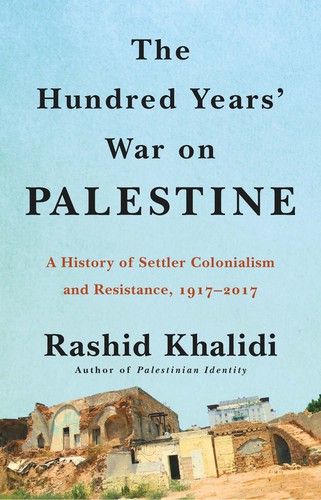
The Hundred Years’ War on Palestine: A History of Settler-Colonial Conquest and Resistance, 1917–2017
Rashid Khalidi · 2020
In this sweeping historical account, renowned scholar Rashid Khalidi traces the century-long conflict between Palestinians and Israeli settlers, examining the deep roots and complex dynamics of one of the world's most intractable geopolitical struggles. Drawing on extensive research and primary sources, Khalidi presents a comprehensive narrative of Palestinian resistance and dispossession from the end of World War I through 2017, challenging conventional Western narratives and centering Palestinian perspectives often marginalized in mainstream discourse. The book meticulously documents how colonial settlement patterns, military occupation, and political maneuvering have shaped the territorial and human landscape of Palestine, while highlighting the persistent Palestinian struggle for self-determination and dignity. Khalidi's scholarly yet accessible analysis illuminates the historical continuities and turning points that have defined this conflict, offering essential context for understanding contemporary Middle Eastern politics and the ongoing Palestinian-Israeli impasse. This landmark work stands as a vital contribution to Palestinian historiography and a crucial resource for anyone seeking to understand the roots and ramifications of this defining conflict of the modern era.
- 2

Fire & Blood
George R. R. Martin · 2018
3.8 · 2 ratingsDive into the epic history of House Targaryen, the dragonriders who conquered and ruled Westeros for centuries. This sweeping chronicle, set long before the events of A Game of Thrones, unveils the turbulent reigns, bitter rivalries, and devastating wars that shaped the Seven Kingdoms. Explore the complex relationships within the dynasty and their profound connection to the dragons that once soared through the skies. George R. R. Martin masterfully weaves a tale of ambition, power, and the ultimate price of destiny.
- 3
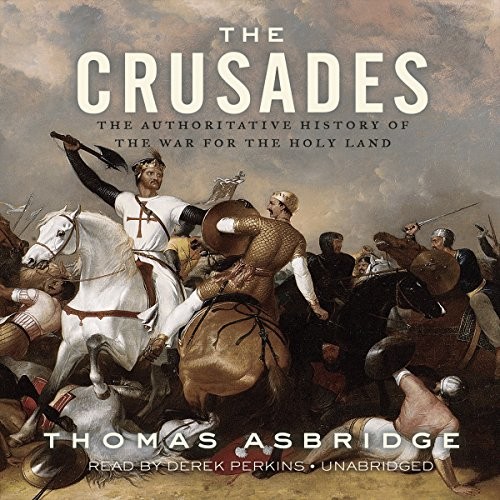
The Crusades
Thomas Asbridge · 2010
Thomas Asbridge's "The Crusades" offers a sweeping and authoritative narrative of one of history's most pivotal and controversial periods. This meticulously researched account delves into the complex motivations, brutal realities, and far-reaching consequences of the Christian military expeditions to the Holy Land. Asbridge masterfully navigates the clash of cultures and faiths, exploring the lives of kings, popes, and ordinary soldiers caught in the fervor of religious zeal and political ambition. The book provides a vivid and nuanced understanding of the Crusades, examining their impact on both the East and West and their enduring legacy in the modern world.
- 4
The Templars
Dan Jones · 2017
4.0 · 1 ratingFrom their origins in the aftermath of the First Crusade to their dramatic downfall, this sweeping history traces the rise and transformation of the Knights Templar. It explores how a small religious brotherhood became a powerful military, financial, and political force spanning Europe and the Holy Land. Blending battlefield history with vivid portraits of medieval faith, ambition, and intrigue, the book separates enduring legend from the documented realities of the Templars’ extraordinary legacy.
- 5
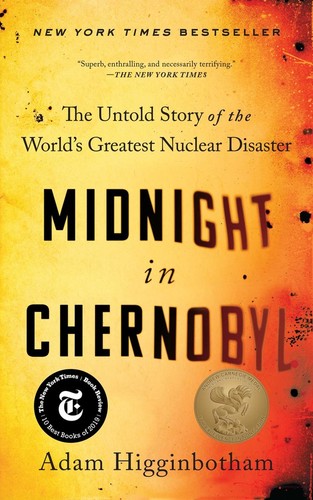
Midnight in Chernobyl
Adam Higginbotham · 2019
Adam Higginbotham's "Midnight in Chernobyl" meticulously reconstructs the events leading up to and following the catastrophic 1986 nuclear disaster. Drawing on extensive research and interviews, the book delves into the complex interplay of human error, systemic flaws, and political ambition that culminated in the explosion at the Soviet Union's Chernobyl Atomic Energy Station. It offers a gripping narrative of the scientists, engineers, and ordinary citizens caught in the heart of the unfolding tragedy, exploring themes of technological hubris, the cost of secrecy, and the enduring human spirit in the face of unimaginable devastation. This definitive account provides an unparalleled look at one of the 20th century's most significant and terrifying events.
- 6
Dead Wake
Erik Larson · 2015
The #1 New York Times best-selling author of In the Garden of Beasts presents a 100th-anniversary chronicle of the sinking of the Lusitania that discusses the factors that led to the tragedy and the contributions of such figures as President Wilson, bookseller Charles Lauriat and architect Theodate Pope Riddle.
- 7
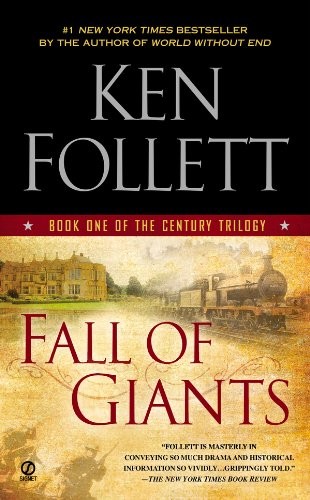
Fall of Giants
Ken Follett · 2010
Ken Follett's epic saga, *Fall of Giants*, launches the Century Trilogy by weaving together the lives of five interconnected families across America, Germany, Russia, England, and Wales. Set against the tumultuous backdrop of World War I, the Russian Revolution, and the fight for women's suffrage, the novel plunges readers into a world on the brink of monumental change. Through compelling personal narratives, Follett explores the dramatic political shifts and societal upheavals that defined the early 20th century, from the trenches of war to the halls of power. This sweeping historical novel masterfully captures the human cost of global conflict and revolution, setting the stage for the decades to come.
- 8
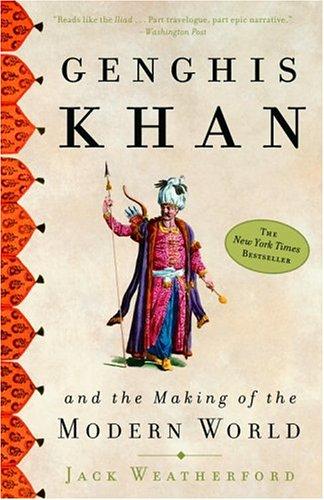
Genghis Khan and the Making of the Modern World
Jack Weatherford · 2005
5.0 · 1 ratingThis groundbreaking work re-examines the life and legacy of Genghis Khan, moving beyond the traditional image of a brutal conqueror to reveal him as a visionary leader who profoundly shaped the course of global history. The book chronicles his extraordinary ascent from humble beginnings within Mongol tribal society to his establishment of the largest contiguous empire the world has ever known. It explores not only the military campaigns that forged this empire but also the unprecedented era of cultural exchange, trade, and innovation that flourished under Mongol rule, laying the foundations for the modern world.
- 9
Proto
Laura Spinney · 2025
4.0 · 2 ratingsHow did one ancient language give rise to more than four hundred tongues spoken across much of the modern world? This engaging investigation traces the Indo-European family from its elusive Proto-Indo-European roots across steppe, mountain, desert, and trade route, following the migrations of the peoples who carried these languages across continents and millennia. Drawing on linguistics, archaeology, genetics, history, mythology, and anthropology, it explores both the evidence and the lively debates surrounding the family’s origins and dispersal. Vividly written and rigorously researched, the book is part intellectual detective story and part travelogue—an illuminating portrait of how language preserves the movements, encounters, and cultures of the human past.
- 10
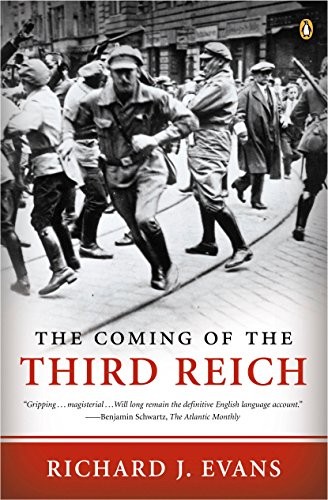
The Coming of the Third Reich
Richard J. Evans · 2003
How does a modern, outwardly dynamic Germany—politically plural and socially ambitious—come to be seized within a generation by a violent, racist extremist movement? This sweeping, research-driven account traces the forces that made the rise of Hitler and the Nazis possible, examining the political, economic, and cultural pressures of the early twentieth century and the choices that turned instability into catastrophe. With a synthesis of major scholarship and fresh interpretations, the narrative restores both drama and contingency to the path to power, showing that the Third Reich did not arrive by inevitability but through a convergence of conditions and decisions. Themes of democracy’s fragility, radicalization, propaganda, and the social roots of mass support illuminate how a society can slide from representative politics into moral and physical ruin.
- 11
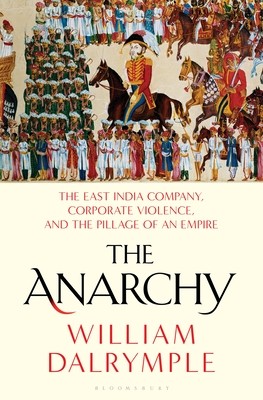
The Anarchy
William Dalrymple · 2019
In this sweeping history, the rise of the British East India Company is revealed as one of the most consequential—and troubling—episodes in the making of the modern world. As the Mughal Empire fragments, a private trading corporation transforms itself into a military and political power, exploiting rivalries, reshaping economies, and extending its rule across much of the Indian subcontinent. Drawing on vivid firsthand accounts and extensive archival research, the narrative explores empire, greed, violence, and the human cost of unchecked corporate power. Compelling and meticulously researched, it offers a fresh perspective on colonialism and the origins of global capitalism.
- 12
1913 - Der Sommer Des Jahrhunderts
Florian Illies · 2012
3.0 · 1 ratingIn diesem kulturgeschichtlichen Panorama wird das Jahr 1913 als schillernder Wendepunkt der Moderne lebendig: Künstler, Schriftsteller, Wissenschaftler und politische Denker prägen eine Epoche zwischen Aufbruch, avantgardistischer Energie und wachsender Unruhe. Florian Illies verknüpft persönliche Schicksale, spektakuläre Begegnungen und prägende Werke zu einem facettenreichen Bild Europas am Vorabend des Ersten Weltkriegs. Mit erzählerischer Leichtigkeit und pointiertem Blick zeigt das Buch, wie eng kulturelle Blüte, gesellschaftliche Spannungen und historische Umbrüche miteinander verbunden sind.
- 13
Avenue of Spies
Alex Kershaw · 2015
Set in Nazi-occupied Paris, this gripping true story follows an American surgeon, his French wife, and their young son as they become involved in a dangerous underground effort to help Allied airmen escape. Living on the prestigious Avenue Foch—one of the centers of German power—the family must navigate surveillance, betrayal, and the escalating brutality of the occupation. Blending personal courage with the broader history of the French Resistance, the narrative explores sacrifice, moral conviction, and the extraordinary risks ordinary people took to oppose tyranny. Told with cinematic detail and meticulous research, it offers a deeply human portrait of heroism under unimaginable pressure.
- 14
Crossing Mandelbaum Gate
Kai Bird · 2010
Part memoir, part history, this compelling account follows an American journalist’s formative years in the Middle East during a period of war, political upheaval, and shifting alliances. Moving between Arab and Israeli communities from the Suez Crisis through the late 1970s, it offers an intimate perspective on the people, places, and events that shaped the modern region. The narrative explores identity, nationalism, diplomacy, and the human costs of the Arab-Israeli conflict, while illuminating the cultural tensions and personal encounters behind the headlines. Richly reported and reflective, it provides both a vivid coming-of-age story and a nuanced examination of one of the twentieth century’s most enduring geopolitical struggles.
- 15
Eastern Europe
Tomek Jankowski · 2013
This accessible introduction explores the history, cultures, societies, and enduring complexities of Eastern Europe, a region shaped by shifting borders, empires, ideologies, and national identities. Moving across countries and historical periods, it offers context for understanding the region’s distinctive traditions as well as its political and social development. Informative and engaging, the book provides a valuable foundation for readers seeking to look beyond stereotypes and appreciate Eastern Europe’s diversity and continuing transformation.
- 16
Ester and Ruzya
Masha Gessen · 2004
This deeply personal memoir traces the intertwined lives of two Jewish women whose experiences span revolution, war, Stalinism, and the long aftermath of Soviet rule. Through family stories, memories, and historical investigation, it explores how Ester and Ruzya navigated political upheaval, antisemitism, love, loss, and the demands of survival. Blending intimate portraiture with a vivid account of twentieth-century Russian history, the book is both a tribute to two remarkable women and a meditation on memory, identity, and the complicated inheritance of family.
- 17
George, Nicholas and Wilhelm
Miranda Carter · 2009
This compelling history explores the intertwined lives of George V of Britain, Nicholas II of Russia, and Wilhelm II of Germany—three royal cousins whose family ties could not prevent the nations they ruled from drifting toward catastrophe. Drawing on personal correspondence, political history, and vivid character portraits, it examines their upbringing, rivalries, personalities, and often uneasy relationships against the backdrop of a rapidly changing Europe. The book reveals how dynastic privilege, national ambition, militarism, and personal misjudgment shaped the road to the First World War and transformed the European monarchy. Engaging and richly researched, it offers an intimate portrait of power, family, and the limits of royal influence.
- 18
Hitler's People
Richard J. Evans · 2024
Through a series of vivid biographical portraits, this sweeping history examines the men and women who enabled, served, supported, and endured Hitler’s regime. It moves beyond the image of a dictatorship imposed by a single leader to explore the motives, ambitions, fears, and compromises that drew millions of ordinary people into the workings of the Third Reich. With penetrating analysis and meticulous research, the book considers complicity, conformity, fanaticism, and moral responsibility in a society transformed by propaganda and terror. The result is a compelling and unsettling account of how authoritarian power depends on human choices.
- 19
Irena's Children
Tilar J. Mazzeo · 2016
During the Nazi occupation of Poland, a courageous Polish social worker risks her life to rescue thousands of Jewish children from the Warsaw Ghetto. Drawing on archival research and personal accounts, this compelling narrative explores the clandestine network that helped children escape, survive, and preserve their identities amid unimaginable danger. It is a powerful story of moral courage, sacrifice, resistance, and the enduring strength of compassion in the face of atrocity. Vividly rendered and deeply moving, the book brings renewed attention to an extraordinary yet long-overlooked chapter of Holocaust history.
- 20
King
Christopher Andersen · 2017
This compelling biography traces the life and legacy of Martin Luther King Jr., from his upbringing and early formation to his emergence as the defining leader of the American civil rights movement. It explores his commitment to nonviolent resistance, his powerful oratory, and the personal convictions that guided his campaigns against racial injustice and inequality. Alongside his public triumphs, the book examines the pressures, controversies, and sacrifices that shaped his journey, offering an accessible portrait of a transformative figure whose influence continues to resonate.
- 21
King Leopold's Ghost
Adam Hochschild · 1998
In the late 19th century, King Leopold II of Belgium seized control of the Congo Free State under the banner of humanitarian reform—only to unleash a brutal system of forced labor and terror that devastated millions. This meticulously researched narrative follows the rise of Leopold’s empire and the growing efforts of outsiders to expose the atrocities, tracing how propaganda, bureaucracy, and international politics helped conceal the truth. With vivid historical detail and relentless moral clarity, the book illuminates themes of imperial greed, the machinery of exploitation, and the power—and limits—of global conscience. Hochschild’s investigative, story-driven style turns archival history into a gripping account of how atrocities can be engineered at scale and how resistance can still matter.
- 22
The Biggest Prison on Earth
Ilan Pappe · 2017
Drawing on declassified archives and extensive historical research, this incisive study traces the origins and development of Israel’s occupation of the West Bank and Gaza after 1967. It examines how political decisions, military strategies, legal structures, and bureaucratic systems combined to govern and constrain the lives of Palestinians. With a sharp focus on power, dispossession, resistance, and the international response, the book offers a challenging account of one of the modern era’s most enduring conflicts. Its forceful analysis invites readers to reconsider the history and continuing realities of the Occupied Territories.
- 23
The Europeans
Orlando Figes · 2019
Set against the cultural transformation of nineteenth-century Europe, this sweeping history follows the intertwined lives of a celebrated singer, a renowned writer, and a gifted artist as they navigate a continent increasingly connected by railways, publishing, and the arts. Their relationships and collaborations reveal how music, literature, and visual culture crossed national borders to create a new European identity. Richly researched and vividly told, the book explores cosmopolitanism, artistic exchange, travel, and the tensions between nationalism and international fellowship. It offers an illuminating portrait of the people and networks that helped shape modern European culture.
- 24
The Last Witnesses
Swetlana Alexijewitsch · 1985
In eindringlichen, persönlichen Erinnerungen erzählen Menschen von ihrer Kindheit im Zweiten Weltkrieg und davon, wie Gewalt, Verlust und Angst ihr Leben nachhaltig geprägt haben. Die Stimmen der einstigen Kinder berichten nicht von Schlachten und Strategien, sondern von zerstörten Familien, Hunger, Flucht und den kleinen Momenten, in denen Menschlichkeit bewahrt wurde. Aus diesen fragmentarischen Zeugnissen entsteht ein berührendes kollektives Gedächtnis, das die langfristigen Folgen des Krieges sichtbar macht. Die sachlich-poetische Montage verleiht den Erzählungen eine unmittelbare Kraft und lässt Geschichte als persönliche Erfahrung begreifbar werden.
- 25
Tolstoy
Rosamund Bartlett · 2010
This compelling biography traces the extraordinary life of one of Russia’s greatest writers, from his aristocratic upbringing and early military experiences to the creation of his monumental novels and his later years as a moral and spiritual seeker. It explores the intimate connections between his fiction, religious convictions, social criticism, and complex personal relationships, illuminating the tensions that shaped both the man and his work. Set against the sweeping political and cultural changes of nineteenth-century Russia, the book offers a nuanced portrait of a visionary thinker whose influence extends far beyond literature. Rich in historical context and literary insight, it presents a vivid, balanced account of a figure marked by both profound idealism and human contradiction.
- 26
Assyria
Eckart Frahm · 2023
5.0 · 1 ratingThis sweeping history traces the rise of Assyria from a regional power to one of the ancient Near East’s most formidable empires, exploring its rulers, military innovations, administration, and far-reaching influence. Drawing on cuneiform texts, archaeological evidence, and the latest scholarship, it brings to life the society, religion, art, and intellectual world that sustained Assyrian power. Alongside its celebrated achievements, the book examines the violence, political tensions, and cultural encounters that shaped the empire’s expansion and eventual transformation. Clear, richly informed, and engagingly written, it offers a nuanced portrait of Assyria and its enduring legacy in the history of the ancient world.
- 27
Babylon
Paul Kriwaczek · 2010
4.0 · 1 ratingA vivid history of Babylon, the ancient city whose achievements helped shape civilization, law, literature, science, and urban life. Drawing on archaeology, ancient texts, and modern scholarship, the book traces Babylon’s rise to power, its cultural brilliance, and its enduring influence across the Near East. It brings to life the rulers, myths, religious traditions, and everyday world of Mesopotamia while exploring how empires are built, sustained, and remembered. Accessible and richly detailed, this is an illuminating portrait of one of the ancient world’s most powerful and mysterious centers.
- 28
Bloodlands: Europe Between Hitler and Stalin
Timothy Snyder · 2010
In the lands between Germany and Russia, two totalitarian regimes carried out an unprecedented campaign of mass murder, transforming Eastern Europe into the central killing ground of the twentieth century. Timothy Snyder examines the policies and human consequences of Stalin’s collectivization, famine, terror, and deportations alongside Hitler’s occupation, racial war, and genocide, revealing the connections and distinctions between them. Drawing on extensive research and individual testimony, the book restores victims and survivors to the center of a history long obscured by war, ideology, and the Iron Curtain. It is a deeply humane, ambitious account of political violence, memory, and the struggle to understand Europe’s darkest years.
- 29
Debt
David Graeber · 2011
4.0 · 1 ratingA sweeping history of debt, money, and human obligation, this book challenges the conventional story that barter came before currency and credit. Drawing on anthropology, economics, history, and philosophy, it traces how systems of debt have shaped relationships, institutions, empires, and ideas of morality across thousands of years. It examines the uneasy connections between financial exchange and power, asking who gets to define what is owed—and what happens when debts become impossible or unjust to repay. Provocative and richly researched, the work offers a fresh framework for understanding both ancient economies and the financial crises of the modern world.
- 30
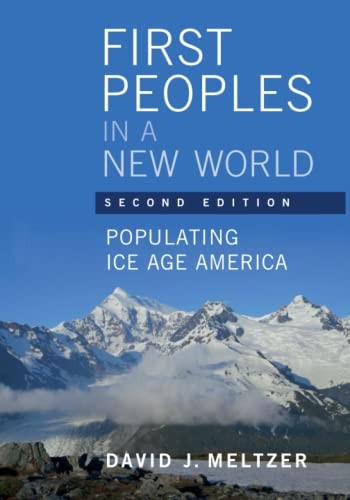
First Peoples in a New World
David J. Meltzer · 2009
This compelling work explores how the first peoples reached and settled the Americas during the last Ice Age, reconstructing their journeys from archaeological, genetic, geological, and environmental evidence. It examines the challenges these early migrants faced as they adapted to unfamiliar landscapes, changing climates, and diverse ecosystems across two continents. With careful attention to competing theories and the limits of the evidence, the book illuminates the complexity, resilience, and ingenuity of the earliest American communities. Scholarly yet accessible, it offers a vivid account of one of human history’s most consequential migrations.
- 31
Papyrus
Irene Vallejo · 2019
5.0 · 1 ratingTracing the evolution of the written word from oral traditions and fragile papyrus scrolls to the codex, this sweeping cultural history reveals how books and libraries helped shape Western civilization. Moving through the intellectual worlds of ancient Greece and Rome, it introduces poets, scholars, librarians, rulers, teachers, and rebels whose lives illuminate enduring questions about education, censorship, authority, and identity. With lively storytelling, literary insight, and personal reflection, the narrative connects the struggles and triumphs of the ancient book world to the libraries and conflicts of our own time. The result is both an engrossing history of reading and a passionate tribute to language, memory, and the human urge to preserve ideas.
- 32
Persian Fire: The First World Empire and the Battle for the West
Tom Holland · 2005
5.0 · 1 ratingTom Holland’s sweeping history recounts the rise of the Persian Empire and its dramatic invasion of Greece in the fifth century B.C.E. From the empire’s rapid expansion across the ancient Near East to the defiant Greek resistance at Thermopylae, Salamis, and Plataea, the narrative explores a conflict whose consequences reached far beyond the battlefield. Blending rigorous scholarship with vivid, novelistic storytelling, the book examines power, freedom, cultural identity, and the fragile foundations of what would later be called the West. It offers an illuminating portrait of two civilizations confronting one another at a pivotal moment in world history.
- 33
Pharaohs of the Sun
Guy de la Bédoyère · 2022
This vivid history explores one of ancient Egypt’s most dramatic and controversial eras: the reign of Akhenaten, the power of Nefertiti, and the turbulent succession that culminated in Tutankhamun. Drawing on archaeology, inscriptions, art, and historical evidence, it examines the religious revolution centered on the sun disk Aten, the creation of the royal city of Amarna, and the sweeping changes that reshaped Egyptian society and culture. It also considers how this extraordinary experiment was challenged and ultimately remembered, offering an accessible and richly contextual portrait of ambition, belief, power, and legacy in the ancient world.
- 34
River of the Gods: Genius, Courage and Betrayal in the Search for the Source of the Nile
Candice Millard · 2022
4.0 · 1 ratingIn the mid-nineteenth century, the search for the source of the Nile draws explorers Richard Burton and John Hanning Speke into one of the most perilous expeditions of the Victorian age. Battling disease, brutal terrain, local conflicts, and profound physical hardship, they pursue an answer that could reshape geography—and elevate or ruin reputations. Candice Millard vividly chronicles the expedition’s extraordinary courage while exposing the ambition, rivalry, colonial tensions, and betrayal behind its public triumphs. The result is a gripping account of exploration and discovery, rendered with the narrative force and human insight that define Millard’s historical nonfiction.
- 35
The First Ghosts
Irving Finkel · 2021
5.0 · 1 ratingDrawing on the world’s earliest written records, this fascinating study traces humanity’s enduring belief in ghosts back to ancient Mesopotamia. Through translations of cuneiform tablets, it explores how people understood restless spirits, why the dead might return, and the rituals devised to protect the living or lay ghosts to rest. Blending vivid historical detail with sharp scholarly insight, the book reveals how concerns about memory, mourning, justice, and the afterlife shaped one of civilization’s first cultures. It offers an illuminating and often surprising portrait of the ancient past—and of fears that remain remarkably familiar.
- 36
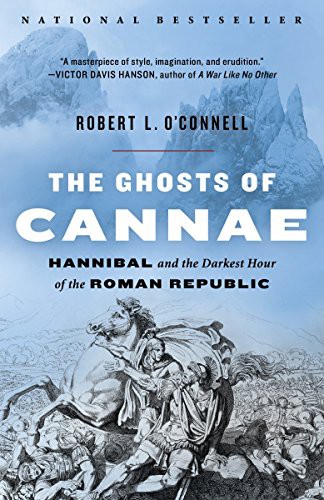
The Ghosts of Cannae
Robert L. O'Connell · 2010
In the shadow of one of antiquity’s most infamous battles, this gripping work follows the enduring mystery of Cannae—where strategy, courage, and catastrophe converged with terrifying efficiency. Blending historical scholarship with vivid narrative, it examines how commanders, troops, and terrain shaped the outcome, and why the battle’s lessons have echoed through military thought for centuries. Through close analysis of tactics and decision-making, the book explores themes of leadership under pressure, the limits of intelligence, and the thin line between brilliance and disaster. Robert L. O’Connell’s distinctive, accessible style brings the past into sharp focus, making this a compelling read for history lovers and military strategists alike.
- 37
The Republic of Pirates
Colin Woodard · 2007
4.0 · 1 ratingThis vivid work of history brings to life the pirates of the early eighteenth-century Caribbean and the lawless maritime world they helped create. Focusing on the pirate haven of Nassau, it reveals how outcasts, sailors, and rebels formed an unexpectedly democratic society that challenged the authority of empires and colonial powers. Through colorful portraits of infamous captains and the political and economic forces surrounding them, the book explores freedom, rebellion, justice, and the limits of authority. Meticulously researched and written with the pace of an adventure narrative, it offers a fresh perspective on the Golden Age of Piracy and its lasting place in history.
- 38
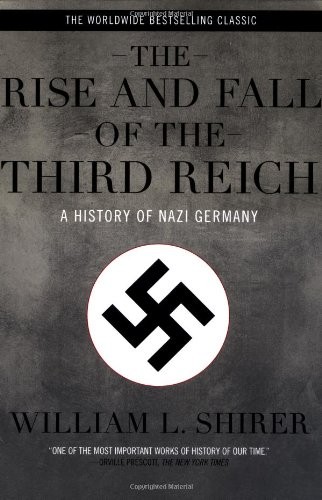
The Rise and Fall of the Third Reich: A History of Nazi Germany
William L. Shirer · 1960
4.0 · 1 ratingThis sweeping history traces the emergence of Nazi Germany from political upheaval and economic crisis through Adolf Hitler’s consolidation of power, the creation of a totalitarian state, and the cataclysmic conflict that followed. Drawing on extensive documentation and Shirer’s firsthand experience as a journalist in Europe, it examines the ideology, institutions, propaganda, and decisions that enabled the regime to pursue domination at home and abroad. The book also confronts the human cost of dictatorship, war, and genocide while exploring the forces that ultimately brought the Third Reich to ruin. Vivid, meticulously researched, and enduringly influential, it remains a landmark account of one of history’s darkest chapters.
- 39
The Scythian Empire
Christopher I. Beckwith · 2023
5.0 · 1 ratingThis sweeping history reexamines the Scythians not as scattered nomadic raiders, but as architects of a powerful empire whose influence stretched across the Eurasian steppes, Central Asia, Persia, and early China. Drawing on historical, linguistic, and cultural evidence, it traces the development of Scythian imperial traditions, royal lineages, political institutions, and capital cities across a vast interconnected world. The book also explores how Scythian ideas shaped the Persian Empire, the first Chinese empires, and the intellectual traditions of the classical age. Provocative and wide-ranging, it offers a new perspective on Central Eurasia as a dynamic center of innovation and state formation.
- 40
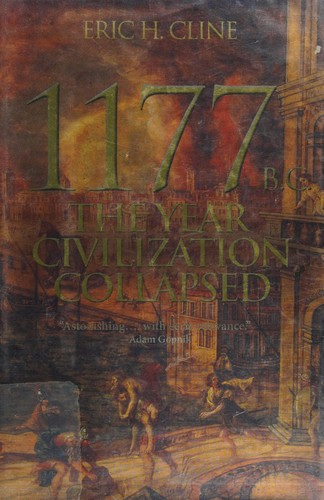
1177 B.C.: The Year Civilization Collapsed
Eric H. Cline · 2014
4.0 · 1 ratingA gripping investigation into the dramatic collapse of the Late Bronze Age, when powerful kingdoms across the eastern Mediterranean and Near East unraveled within a few turbulent decades. Drawing on archaeology, ancient texts, and the latest historical research, the book reveals how invasions, rebellion, earthquakes, climate stress, and disrupted trade combined to bring down an interconnected world. It offers a vivid portrait of the era’s cosmopolitan societies while exploring the vulnerabilities created by their dependence on one another. Engaging and wide-ranging, this account transforms a mysterious “dark age” into a compelling study of systemic collapse and resilience.
- 41
A Fortune of Sand
Ruta Sepetys · 2026
In 1927 Detroit, where the city’s glittering wealth is beginning to crumble, an artistic daughter of an automotive magnate enters an exclusive arts program—only to find that the women around her are vanishing without a trace. As she follows fragile clues through salons, studios, and hidden corridors of power, she uncovers a disturbing pattern tied to the era’s glamour and the secrets it can conceal. Fleeing to an artistic retreat that promises safety, she discovers that the truth is stranger, darker, and far more personal than she ever imagined. Inspired by long-buried historical events, this haunting, atmospheric novel blends mystery and social reckoning with themes of agency, exploitation, and the cost of being seen in a world determined to erase you.
- 42
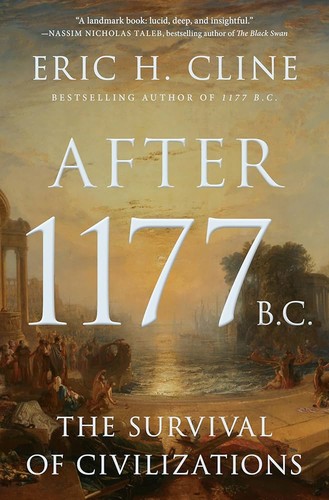
After 1177 B.C.: The Survival of Civilizations
Eric H. Cline · 2024
4.0 · 1 ratingIn the aftermath of the Bronze Age collapse, the interconnected civilizations of the Aegean and Eastern Mediterranean faced invasion, famine, upheaval, and the breakdown of trade. Over the next four centuries, some societies vanished while others adapted, transformed, and laid the foundations for a new world shaped by Phoenicians, Philistines, Israelites, Neo-Hittites, and Mesopotamian empires. Tracing the emergence of ironworking, the alphabet, and other innovations through the rise of Greece and the first Olympic Games, this compelling history explores resilience, cultural transformation, and the forces that determine which civilizations survive profound shocks. It offers both a vivid account of a turbulent era and striking insights into the challenges facing interconnected societies today.
- 43
Alexander
Valerio Manfredi · 2001
Valerio Massimo Manfredi masterfully brings to life the legendary conqueror Alexander the Great in this sweeping historical novel. From his youth tutored by Aristotle to his ambitious campaigns across Persia and India, the narrative follows Alexander's relentless pursuit of glory and his transformation into a figure of myth. The story delves into the complex relationships, strategic brilliance, and personal struggles that defined his extraordinary life. Manfredi's vivid prose and meticulous research immerse the reader in the ancient world, exploring themes of destiny, power, and the enduring legacy of one of history's most iconic leaders.
- 44
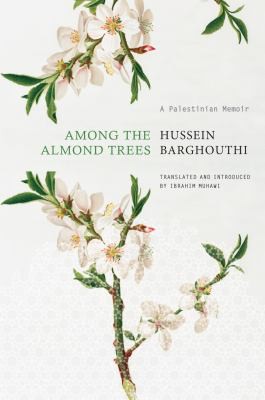
Among the Almond Trees: A Palestinian Memoir
Hussein Barghouthi · 2021
In this lyrical Palestinian memoir, a writer returns to his village in the hills of the West Bank after years abroad, confronting illness, memory, and the changing landscape of home. Among almond trees, family histories, village traditions, and the realities of occupation become intertwined with meditations on exile, belonging, mortality, and the search for meaning. Blending intimate autobiography with philosophical reflection and vivid evocations of place, the book offers a deeply personal portrait of Palestinian life and identity. Its poetic, contemplative prose transforms one man’s return into a moving exploration of homeland, loss, and renewal.
- 45
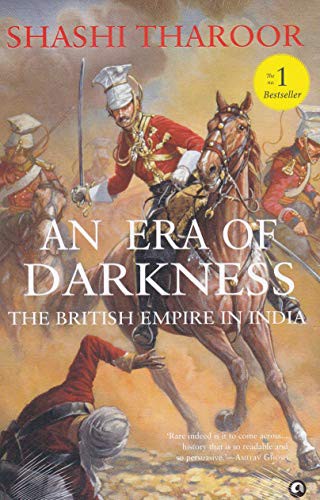
An Era of Darkness: The British Empire in India
Shashi Tharoor · 2016
4.0 · 1 ratingThis incisive history examines the British Empire’s rule in India, challenging the notion that colonialism brought progress, prosperity, or modernity to the subcontinent. Drawing on economic records, political history, and vivid episodes of imperial policy, it explores how British governance reshaped India’s industries, agriculture, institutions, and society—often at immense human cost. The book also considers the resistance, resilience, and contributions of Indians who confronted colonial power, offering a forceful reassessment of empire and its enduring legacy. Written with scholarly rigor and compelling clarity, it invites readers to reconsider one of the defining political relationships of the modern era.
- 46
Arabs: A 3,000-Year History of Peoples, Tribes and Empires
Tim Mackintosh-Smith · 2019
4.0 · 1 ratingSpanning nearly three millennia, this sweeping history follows the peoples, tribes, and empires shaped by the Arabic language and the cultures it carried across continents. Beginning long before the rise of Islam, it explores the influence of nomadic networks, pre-Islamic poetry, religious transformation, political expansion, and the evolution of Arabic speech, writing, and print. Richly attentive to the power of language as both a unifying force and a source of division, the book connects ancient movements with the fractures and aspirations of the modern Arab world. Erudite, vivid, and wide-ranging, it offers a fresh perspective on Arab identity and the enduring legacies of history.
- 47
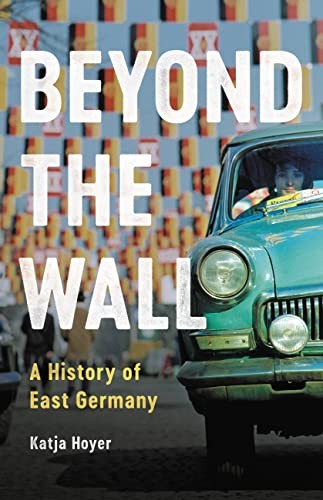
Beyond the Wall: A History of East Germany
Katja Hoyer · 2023
This sweeping history explores East Germany from its founding in 1949 through reunification in 1990, examining the state’s politics, economy, culture, and place within the Cold War. Alongside the machinery of the Socialist Unity Party and the influence of the Soviet Union, it brings everyday East Germans into focus—their ambitions, compromises, frustrations, and forms of resilience. Challenging simplified portrayals of the German Democratic Republic as merely a failed dictatorship, the book presents a nuanced account of a society shaped by both repression and genuine social transformation. Vivid, accessible, and richly contextualized, it offers a fresh perspective on a vanished country whose legacy continues to shape modern Germany.
- 48
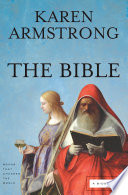
Bible
Karen Armstrong · 2007
This illuminating study traces the Bible’s development from a collection of ancient oral traditions and writings into one of the world’s most influential sacred texts. It explores the historical, cultural, and religious forces that shaped its composition, canonization, translation, and interpretation across Judaism and Christianity. Along the way, the book considers how readers have understood the Bible’s poetry, laws, narratives, and theological visions in changing times. Accessible and wide-ranging, it offers a thoughtful portrait of a text whose meanings and influence continue to evolve.