Popular Philosophy Books
The philosophy books Readstead readers shelve most, out of 545 in the catalog.
- 1
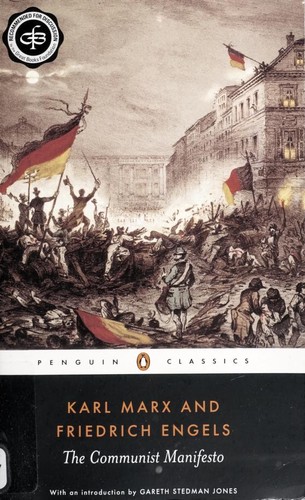
The Communist Manifesto
Karl Marx · 1848
3.3 · 3 ratingsThis seminal work, penned by Karl Marx, lays bare the fundamental principles of communism and outlines a radical vision for societal transformation. It presents a searing critique of capitalism, arguing for the inevitable overthrow of the bourgeoisie by the proletariat. The Manifesto serves as a foundational text for understanding historical materialism and the call for a classless society, profoundly influencing political thought and movements worldwide.
- 2

Man's Search for Meaning
Viktor E. Frankl · 1946
4.5 · 4 ratingsViktor Frankl's seminal work, "Man's Search for Meaning," is a profound exploration of the human spirit's resilience in the face of unimaginable suffering. Drawing from his harrowing experiences as a prisoner in Nazi concentration camps, Frankl details his journey through despair to discover a fundamental truth: that even in the most dire circumstances, life can hold meaning. This powerful narrative delves into the psychological and philosophical underpinnings of finding purpose, arguing that our primary motivational force is not pleasure or power, but the relentless search for meaning. Frankl's insights offer a timeless message of hope and a guide to navigating life's challenges with inner strength and a sense of purpose.
- 3
The God Delusion
Richard Dawkins · 2006
4.0 · 3 ratingsRichard Dawkins, a leading scientific voice, presents a powerful argument against the existence of God, challenging the foundations of religious belief. He meticulously deconstructs common arguments for faith, revealing the logical inconsistencies and historical harms often perpetuated by religion. Through rigorous analysis and compelling evidence, Dawkins explores the detrimental impact of religious dogma on individuals and society, from ancient conflicts to modern-day issues. This work not only critiques the concept of a divine creator but also champions atheism as a more rational and enriching worldview, encouraging a deeper appreciation for the natural universe.
- 4

The Republic
Plato · 2003
5.0 · 1 ratingPlato's seminal work, "The Republic," offers a profound exploration of justice, the ideal society, and the nature of the soul. Through the Socratic method, Plato constructs a blueprint for a utopian state, meticulously detailing its governance, education system, and the roles of its citizens. This philosophical dialogue delves into the fundamental questions of ethics, politics, and metaphysics, examining the philosopher's crucial role in achieving societal harmony and individual well-being. The text also critically assesses the influence of art and poetry on character, presenting a timeless argument for the pursuit of truth and the good life.
- 5
The Prophet
Kahlil Gibran · 1923
3.0 · 1 ratingKahlil Gibran's timeless classic, The Prophet, offers a profound exploration of life's most essential themes through lyrical prose. Presented as a series of poetic dialogues, the book delves into universal concepts such as love, work, joy, sorrow, and freedom, offering timeless wisdom for the modern reader. Gibran's unique blend of spiritual insight and philosophical reflection provides a deeply inspirational and thought-provoking experience, making it a beloved work for generations.
- 6

Mere Christianity
C. S. Lewis · 1943
C.S. Lewis masterfully dismantles the barriers that divide Christians, forging a path to common ground through clear, rational arguments. This seminal work explores the core tenets of Christian belief, offering a compelling case for faith that resonates with both believers and skeptics. Lewis delves into profound theological concepts, presenting them with his characteristic wit and intellectual rigor, making complex ideas accessible to all. "Mere Christianity" stands as an enduring invitation to understand the foundational principles of the Christian faith, stripped of denominational distinctions.
- 7
Tao Te Ching
Lao Tzu · 1997
3.0 · 2 ratingsThis timeless classic, traditionally attributed to Lao Tzu, offers profound insights into the Tao, the fundamental principle of the universe. Through elegant verses, it explores the nature of virtue, leadership, and the path to enlightenment, advocating for humility, spontaneity, and balance. The teachings within the Tao Te Ching remain remarkably relevant, providing guidance for navigating personal relationships, professional challenges, and the pursuit of inner harmony in the modern world. This edition presents a lucid translation that captures the subtle wisdom and enduring depth of the original text.
- 8

The Art of War
Sun Tzu · 2005
3.5 · 2 ratingsThis timeless treatise, penned by the legendary strategist Sun Tzu over two millennia ago, offers profound insights into the principles of warfare and conflict resolution. Rooted in ancient Chinese military thought, its teachings transcend the battlefield, providing invaluable lessons applicable to modern challenges in business, politics, and personal life. Discover the strategic wisdom that has guided leaders for centuries and learn how to navigate competition, achieve victory, and maintain harmony through calculated action and keen observation.
- 9

The Courage to Be Disliked: How to Free Yourself, Change Your Life and Achieve Real Happiness
Ichiro Kishimi · 2013
This transformative guide unlocks the secrets to genuine happiness and personal freedom by delving into Adlerian psychology. It presents a revolutionary perspective, suggesting that all our problems stem from interpersonal relationships and that we possess the power to overcome them. Through a compelling dialogue between a philosopher and a youth, readers are invited to challenge conventional wisdom, discard the need for external validation, and embrace the courage to be disliked. Discover how to break free from the constraints of past experiences and societal expectations to craft a life of authentic self-determination and profound contentment.
- 10
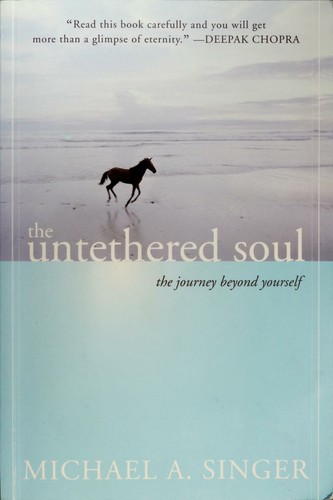
The Untethered Soul: The Journey Beyond Yourself
Michael A. Singer · 2007
This transformative guide explores the nature of consciousness and the barriers we create within ourselves that prevent genuine freedom and peace. Through accessible spiritual philosophy, the author invites readers to examine the voice in their head, the emotions that control them, and the patterns of resistance that keep them trapped in cycles of suffering. By learning to observe rather than identify with our thoughts and feelings, we discover the possibility of living as a free, untethered consciousness. The book combines Eastern spiritual wisdom with practical insights, offering readers a roadmap to transcend the limitations of the ego and experience the boundless awareness that lies at the core of our being. This is a profound yet approachable exploration of how to break free from the prison of self-imposed limitations and live with authentic peace and liberation.
- 11
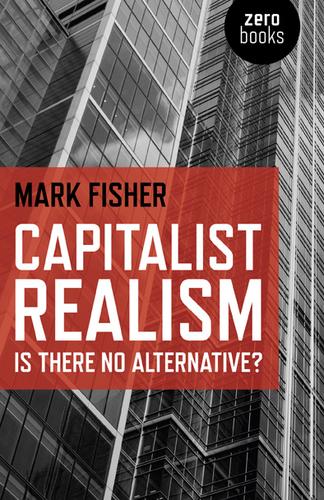
Capitalist Realism: Is There No Alternative?
Mark Fisher · 2009
4.0 · 1 ratingIn the wake of 1989—and intensified by the financial crisis of 2008—capitalism has come to present itself as the only “realistic” option, shaping not just economies but everyday imagination. Mark Fisher explores this condition as a lived ideology, tracing how politics, popular culture, work, and education absorb and reproduce the sense that there is no alternative. With sharp critical insight, he argues that capitalist realism is riddled with contradictions and “glitches” that reveal its instability beneath the surface of inevitability. Part cultural critique and part philosophical provocation, the book’s distinctive style blends theory with vivid examples to challenge readers to rethink what realism can mean—and what futures might be possible.
- 12

Meditations
Marcus Aurelius · 2006
4.0 · 1 ratingWritten in Greek by a Roman emperor for his own private reflection, Marcus Aurelius's Meditations offers profound insights into Stoic philosophy and the human condition. These aphorisms, never intended for publication, explore themes of virtue, reason, leadership, and the search for meaning amidst life's challenges. Spanning a spectrum of emotions from doubt to exaltation, Aurelius's personal exercises provide timeless wisdom for understanding oneself and navigating the complexities of the universe. This enduring work continues to inspire leaders, thinkers, and individuals seeking practical guidance and spiritual solace.
- 13
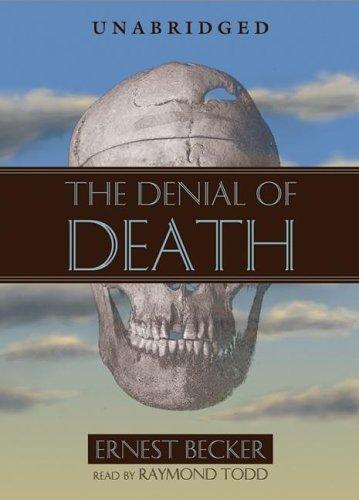
The Denial of Death
Ernest Becker · 1973
5.0 · 1 ratingThis landmark work in existential psychology examines how the awareness of mortality shapes human behavior, belief, and culture. It argues that much of what people do—from pursuing achievement and status to embracing religious or ideological worldviews—reflects an effort to deny death and secure a sense of lasting meaning. Drawing on psychology, philosophy, anthropology, and psychoanalysis, the book explores the tension between our physical vulnerability and our desire for significance, heroism, and transcendence. Provocative and deeply influential, it offers a searching account of the fears that underlie both individual identity and collective life.
- 14
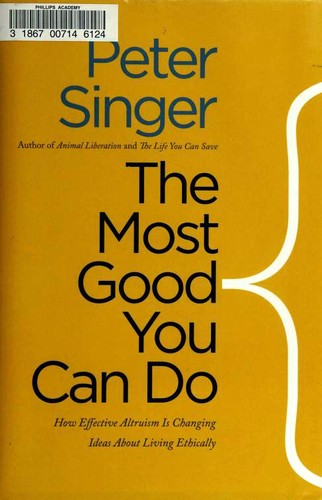
The Most Good You Can Do: How Effective Altruism Is Changing Ideas About Living Ethically
Peter Singer · 2015
3.5 · 2 ratingsIn this thought-provoking exploration of ethical living, renowned moral philosopher Peter Singer makes a compelling case for effective altruism—the practice of using reason and evidence to determine how to benefit others as much as possible. Building on his earlier work *The Life You Can Save*, Singer challenges conventional approaches to charity and philanthropy, questioning where our donations truly make the greatest impact. Through rigorous analysis and real-world examples, he examines how individuals can maximize their positive influence on the world, from career choices to charitable giving, while confronting uncomfortable truths about traditional charitable priorities. This book invites readers to reconsider their moral obligations and adopt a more strategic, evidence-based approach to doing good. Singer's rational yet passionate argument offers a roadmap for anyone seeking to live an ethically meaningful life in an unequal world.
- 15
The Myth of Sisyphus
Albert Camus · 1942
In this landmark philosophical essay, Albert Camus confronts the question of whether life is worth living in a universe that offers no inherent meaning or order. Drawing on literature, mythology, and existential reflection, he examines the tension between humanity’s search for purpose and the silence of the world. With clarity and lyrical force, Camus develops his philosophy of the absurd and considers how people might respond through freedom, defiance, and fully conscious living. The result is a profound meditation on dignity, authenticity, and the possibility of creating meaning without illusion.
- 16

Thus Spoke Zarathustra
Friedrich Nietzsche · 1883
4.0 · 2 ratingsFriedrich Nietzsche's seminal philosophical novel, Thus Spoke Zarathustra, introduces his most profound and controversial ideas through the allegorical journey of a prophet. Zarathustra descends from his mountain solitude to share his wisdom with humanity, grappling with the concepts of the death of God, the Übermensch (Overman), and the eternal recurrence. Through poetic prose and powerful aphorisms, Nietzsche challenges conventional morality, religion, and societal values, urging readers to embrace self-overcoming and create their own meaning in a world devoid of divine guidance. This work is a cornerstone of existentialist thought and a radical call for the revaluation of all values.
- 17

The Myth of Sisyphus and Other Essays
Albert Camus · 1955
4.0 · 1 ratingAlbert Camus confronts the fundamental question of suicide in this seminal work, exploring the absurd nature of human existence and the search for meaning in a meaningless universe. Through a series of profound essays, he delves into the philosophical implications of the absurd, examining its presence in art, literature, and everyday life. Camus argues for rebellion against the absurd, not through hope or despair, but through a conscious embrace of life's inherent contradictions and a passionate affirmation of human freedom. This collection offers a powerful and enduring meditation on the human condition, challenging readers to confront their own mortality and find value in the present moment.
- 18
Entitled
Kate Manne · 2020
5.0 · 1 ratingEntitled is a sharp, provocative exploration of how societies decide who deserves what—and how those judgments can be enforced through everyday assumptions. Building on the author’s earlier work, it examines the difference between entitlement and justice, tracing how “nice” or seemingly reasonable people can still enable harm when they believe they are owed respect, safety, or fairness. Through clear argumentation and real-world examples, the book illuminates the social and psychological mechanisms behind misogyny, victim-blaming, and the normalization of unequal power. With its incisive, accessible style, it offers readers a framework for recognizing injustice and challenging the narratives that protect it.
- 19
Letters from a Stoic
Seneca · 1969
4.0 · 1 ratingExplore the timeless wisdom of Seneca, one of Rome's most influential Stoic philosophers, in this collection of profound letters. Written to his friend Lucilius, these epistles offer practical guidance on living a virtuous and tranquil life, even amidst the turmoil of power and public duty. Seneca masterfully blends philosophical inquiry with personal reflection, addressing themes of mortality, happiness, and the pursuit of wisdom. His accessible yet powerful prose provides enduring insights into managing emotions, cultivating resilience, and finding meaning in the everyday.
- 20
Status Anxiety (Vintage International)
Alain de Botton · 2004
3.0 · 2 ratingsIn a world that promises equality, why do so many of us feel a persistent anxiety about our social standing? Alain de Botton's insightful exploration delves into the roots of status anxiety, revealing how our modern obsession with achievement and recognition fuels a deep-seated insecurity. He masterfully dissects the societal pressures and psychological triggers—from the fear of lovelessness to the pitfalls of expectation—that contribute to this pervasive unease. This compelling work not only diagnoses the discontents of our civilization but also offers a path toward a more balanced and fulfilling perspective on success and self-worth.
- 21
The Demon-Haunted World: Science as a Candle in the Dark
Carl Sagan · 1996
4.0 · 1 ratingIn this powerful defense of scientific rationality, renowned astronomer Carl Sagan argues that critical thinking and empirical evidence are essential not only for understanding our world but for preserving our democratic institutions. Drawing on history, culture, and contemporary examples, Sagan systematically debunks pseudoscientific claims—from witchcraft and faith healing to UFO abductions and alien encounters—revealing how easily misinformation can flourish in an age of information overload. With lucid eloquence, he demonstrates why the difference between testable scientific hypotheses and the seductive myths of pseudoscience matters profoundly for our individual decision-making and collective well-being. This manifesto for clear thought serves as a timely reminder that in a world increasingly vulnerable to conspiracy theories and unreason, scientific literacy is not a luxury but a necessity for maintaining our freedom and progress.
- 22
The Doors of Perception & Heaven and Hell
Aldous Huxley · 1954
5.0 · 1 ratingAldous Huxley delves into the profound mysteries of consciousness and perception in these two seminal essays. "The Doors of Perception" chronicles his experiences with mescaline, offering a groundbreaking exploration of sensory experience and the nature of reality. "Heaven and Hell" expands on these ideas, examining the visionary states and the dualistic nature of the human mind. Together, these works offer a challenging and illuminating journey into the furthest reaches of human awareness, cementing Huxley's legacy as a visionary thinker.
- 23
The Score
C. Thi Nguyen · 2026
In *The Score*, C. Thi Nguyen offers a profound exploration of the games we play, from beloved pastimes to the often-cruel "games" of societal expectations. Drawing on his deep appreciation for games, Nguyen reveals how scoring systems, often weaponized by institutions, can steer us away from genuine progress and joy. He argues for a conscious re-engagement with play, urging readers to understand the immersive power of games so they can reclaim agency and chart a course toward more creative and fulfilling lives. Through lucid philosophy and personal anecdotes, this book is an engaging invitation to start playing our own game.
- 24
We Philologists
Friedrich Nietzsche · 2018
4.0 · 2 ratingsIn "We Philologists," a young Friedrich Nietzsche passionately defends the vocation of the philologist, revealing his profound admiration for classical education and the wisdom of the ancient Greeks. This work offers a unique glimpse into the formative intellectual landscape of one of history's most influential thinkers, exploring the profound impact of figures like Wagner on culture and philosophy. Nietzsche masterfully contrasts prevailing societal views with his own burgeoning ideas, laying the groundwork for his later, more radical critiques. Through sharp analysis and eloquent prose, he examines the nature of education, the role of scholarship, and the very essence of cultural understanding.
- 25
What Is Life? with Mind and Matter and Autobiographical Sketches
Erwin Schrödinger · 1992
4.5 · 2 ratingsThis volume brings together three essential facets of Erwin Schrödinger’s thought: his influential inquiry into the physical foundations of life, his philosophical exploration of consciousness and the relationship between mind and matter, and a series of autobiographical reflections. Drawing on physics, biology, and philosophy, it examines how order, heredity, perception, and subjective experience challenge conventional boundaries between the sciences and the humanities. Written with clarity and intellectual ambition, these essays reveal why Schrödinger’s ideas helped inspire the emergence of molecular biology while continuing to provoke debate about the nature of life and consciousness. The autobiographical sketches add a personal dimension, placing his scientific and philosophical investigations within the broader story of his life and work.
- 26
Women Who Run With the Wolves: Myths and Stories of the Wild Woman Archetype
Clarissa Pinkola Estés Phd · 1992
Within every woman lies a powerful, instinctual force—the Wild Woman—filled with fierce creativity, passionate knowing, and untamed wisdom that society often works to suppress. In this groundbreaking work, Dr. Clarissa Pinkola Estés draws on rich intercultural myths, fairy tales, and folk stories to help women reconnect with their authentic, visionary nature and reclaim the deep, life-giving messages of their souls. Through carefully woven narratives and insightful commentary, Estés guides readers to retrieve and understand this wild, instinctual self—one that is both magic and medicine. This transformative exploration creates a new psychology of women, honoring what is tough, smart, and untamed within the female psyche. A modern classic that has resonated with millions, this book offers women a path to wholeness by embracing the fierce, healthy attributes of their instinctual nature.
- 27
Making Amends
Linda Radzik · 2009
This philosophical study examines what it means to make amends after wrongdoing, asking how individuals and societies should respond to harm, guilt, and moral responsibility. It explores the roles of apology, forgiveness, restitution, punishment, and reconciliation in repairing damaged relationships, while considering difficult cases involving collective and historical injustice. Bringing together moral philosophy, legal theory, and political thought, the book offers a careful account of atonement that is both intellectually rigorous and relevant to contemporary debates about justice and responsibility.
- 28
Discipline and Punish: The Birth of the Prison
Michel Foucault · 1975
Librarian note: an alternate cover for this edition can be found here.In this brilliant work, the most influential philosopher since Sartre suggests that such vaunted reforms as the abolition of torture and the emergence of the modern penitentiary have merely shifted the focus of punishment from the prisoner’s body to his soul.
- 29
The Ethics of Aristotle
Aristoteles · 1890
5.0 · 1 ratingThis foundational work examines the nature of human flourishing and asks what it means to live a genuinely good life. Aristotle explores happiness as the highest human aim, emphasizing the cultivation of virtue, the importance of habit and character, and the guiding role of practical wisdom in navigating moral choice. His discussions of justice, friendship, pleasure, and contemplation offer a comprehensive account of ethics grounded in everyday human experience and civic life. Clear, systematic, and enduringly influential, the work remains essential for readers interested in philosophy, moral reasoning, and the conditions of a fulfilled life.
- 30
A Companion to Marx's Capital, Volume 1
David Harvey · 2010
This accessible guide offers a lucid, chapter-by-chapter exploration of the arguments, concepts, and methods developed in Marx’s *Capital*, Volume 1. It clarifies challenging ideas—including commodities, surplus value, labor, technology, and the dynamics of capitalist production—while showing how they fit into Marx’s broader critique of political economy. Drawing on a close reading of the original text, the book connects nineteenth-century analysis to contemporary questions about markets, work, inequality, and economic power. Scholarly yet engaging, it is an ideal companion for newcomers and a valuable resource for readers seeking a deeper understanding of Marx’s enduring significance.
- 31
Animal Liberation
Peter Singer · 1976
5.0 · 1 ratingA groundbreaking examination of humanity’s moral relationship with animals, this influential work challenges the assumption that species membership determines whose suffering matters. Drawing on the principle of equal consideration of interests, it exposes the ethical costs of factory farming and the use of animals in scientific research while questioning the everyday practices that make such harm seem acceptable. Clear, rigorous, and deeply provocative, the book explores speciesism, compassion, and moral responsibility, making a powerful case for extending ethical concern beyond the human species.
- 32
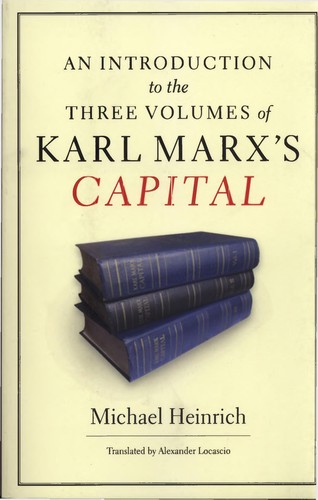
An Introduction to the Three Volumes of Karl Marx’s Capital
Heinrich, Michael · 2012
5.0 · 1 ratingThis accessible yet rigorous guide offers a comprehensive introduction to the arguments, concepts, and structure of Karl Marx’s three volumes of *Capital*. Michael Heinrich explains Marx’s analysis of commodities, value, money, capital, surplus value, accumulation, crisis, and the circulation of capital, while clarifying how the volumes fit together. Situating the work in its historical and intellectual context, he addresses common misunderstandings and highlights the continuing relevance of Marx’s critique of political economy. Ideal for newcomers and valuable to experienced readers, the book provides a clear framework for engaging with one of the most influential works in modern social thought.
- 33
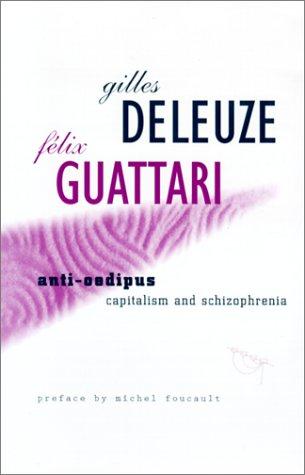
Anti-Oedipus: Capitalism and Schizophrenia
Gilles Deleuze, Félix Guattari · 1972
A landmark work of twentieth-century critical theory, this book challenges the dominance of Freudian psychoanalysis and its emphasis on the Oedipal family drama as the central explanation of desire. Gilles Deleuze and Félix Guattari propose an expansive vision of desire as productive, social, and political, linking the workings of the unconscious to capitalism, institutions, and systems of power. Drawing on philosophy, economics, psychiatry, and anthropology, their provocative and inventive analysis examines how society both channels and regulates human potential. Dense, radical, and influential, the book remains essential reading for scholars and readers exploring subjectivity, liberation, and the forces shaping contemporary culture.
- 34
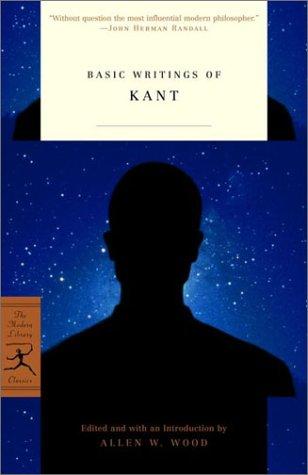
Basic Writings of Kant
Immanuel Kant · 2001
This collection offers an accessible introduction to the groundbreaking philosophy of the Enlightenment’s most influential thinkers, bringing together key writings on knowledge, morality, religion, aesthetics, and human freedom. Across these selections, the author investigates how reason shapes experience, how moral principles can guide action, and what it means to live as an autonomous and responsible person. Rigorous yet transformative, the volume reveals the enduring power of a philosophical system that reshaped modern thought and continues to challenge readers to examine the limits and possibilities of reason.
- 35
Being and Nothingness
Jean-Paul Sartre · 1943
Jean-Paul Sartre's seminal work, *Being and Nothingness*, is a profound exploration of existentialist philosophy, delving into the nature of consciousness, freedom, and human existence. Sartre meticulously dissects the relationship between 'being-in-itself' (the objective world) and 'being-for-itself' (conscious awareness), arguing that human freedom is the source of both our anguish and our potential. This foundational text grapples with concepts such as bad faith, the gaze of the Other, and the radical responsibility that comes with our absolute freedom to define ourselves. Sartre's dense yet powerful prose invites readers to confront the fundamental questions of what it means to be human in a world without predetermined essence.
- 36
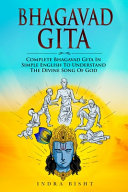
Bhagavad Gita
Bhakti Bhav Publishings
In the heart of a momentous battlefield, a profound dialogue unfolds between the warrior Arjuna and his divine charioteer, Krishna. Facing an existential crisis and the brink of war, Arjuna grapples with duty, morality, and the very purpose of life. This timeless scripture explores the path to self-realization, the development of virtues, and the importance of living in accordance with one's true dharma, urging readers to transcend external expectations and embrace their inner truth. Through Krishna's wisdom, the Bhagavad Gita offers guidance on navigating life's complexities with clarity, devotion, and unwavering resolve.
- 37
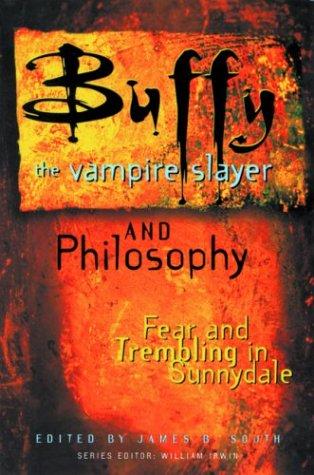
Buffy the Vampire Slayer and Philosophy: Fear and Trembling in Sunnydale
James B. South · 2003
5.0 · 1 ratingThis lively collection brings philosophical insight to the supernatural world of Sunnydale, using Buffy the Vampire Slayer as a springboard for examining questions of morality, identity, free will, love, death, and the nature of evil. Across 23 essays, professional philosophers explore the ethical and metaphysical dilemmas faced by Buffy, her friends, and their enemies, connecting the show’s monsters and mythologies to enduring ideas in philosophy. Accessible, thoughtful, and occasionally playful, the book demonstrates how popular culture can illuminate profound questions about what it means to be human.
- 38
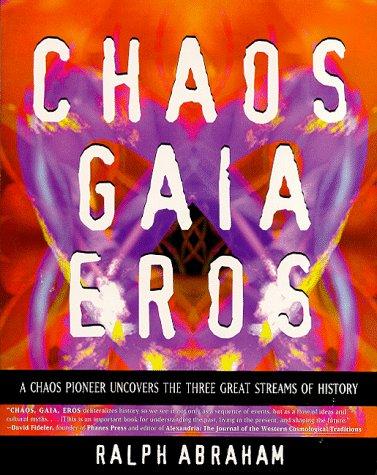
Chaos, Gaia, Eros: A Chaos Pioneer Uncovers the Three Great Streams of History
Ralph Abraham · 1994
5.0 · 1 ratingIn this ambitious interdisciplinary exploration, a pioneer of chaos theory examines the deep currents shaping human consciousness and the course of history. Drawing connections among mathematics, science, mythology, philosophy, ecology, and cultural change, the book presents chaos, Gaia, and Eros as three complementary forces—associated with mind, body, and spirit—that illuminate evolution and human experience. Timelines, photographs, charts, and accessible commentary guide readers through a sweeping journey that challenges conventional boundaries between the sciences and the humanities. Provocative and imaginative, it offers a distinctive vision of history as a dynamic interplay of disorder, planetary life, and creative connection.
- 39
Conjectures and Refutations; the Growth of Scientific Knowledge.
Karl R. Popper · 1963
A landmark work in the philosophy of science, this collection explores how scientific knowledge advances through bold conjectures, rigorous criticism, and the continual testing of ideas. Karl Popper challenges the notion that science progresses by accumulating verified observations, arguing instead that meaningful theories must be open to refutation. Drawing on examples from science, philosophy, and intellectual history, the book examines the nature of discovery, the limits of certainty, and the role of critical debate in human understanding. Clear, provocative, and enduringly influential, it offers a powerful defense of rational inquiry and intellectual fallibility.
- 40
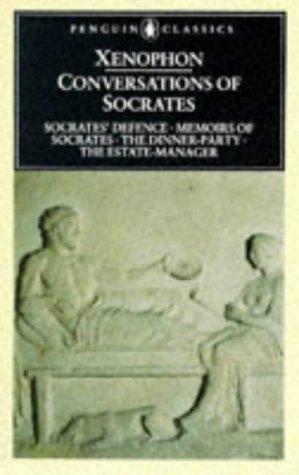
Conversations of Socrates
Xenophon · 1990
Through a series of vivid dialogues and recollections, this work presents Socrates as a practical philosopher engaged with the everyday concerns of friends, citizens, and students. Rather than emphasizing abstract speculation, it explores how reason, self-discipline, piety, justice, leadership, and moral character shape ordinary life. Alongside its portrait of Socratic thought, the book offers an illuminating window into Athenian society, revealing the religious beliefs, political tensions, social customs, and ethical ideals of ancient Greece. Clear-eyed and conversational in style, it remains an important firsthand-style account of one of philosophy’s most influential figures.
- 41
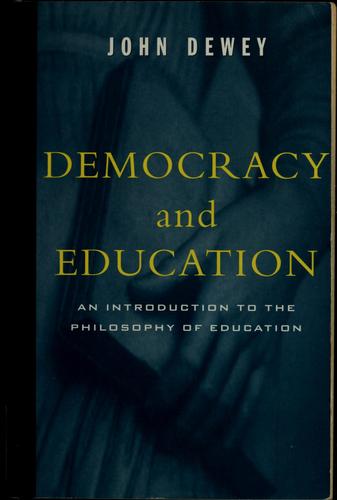
Democracy and Education
John Dewey · 1916
A landmark work in educational philosophy, this book explores how learning can prepare individuals not only for work, but for active participation in democratic life. It challenges rigid, passive models of schooling in favor of purposeful activity, shared inquiry, and real-world experiences that connect knowledge to the needs of a community. Drawing on psychology, ethics, and social theory, it examines the relationship between education, intellectual growth, and social progress. Its influential vision helped shape progressive and experiential approaches to teaching that continue to inform debates about schools and citizenship.
- 42
Design For Dying
Timothy Leary · 1997
5.0 · 1 ratingAn irreverent and provocative meditation on death, dying, and the freedom to shape life’s final chapter, this book challenges conventional ideas about mortality. Drawing on his own philosophy of “directed dying,” Timothy Leary explores how people might approach death deliberately, creatively, and in keeping with their personal values. Blending humor, personal reflection, and radical cultural critique, it invites readers to reconsider the boundaries between autonomy, identity, and the end of life.
- 43
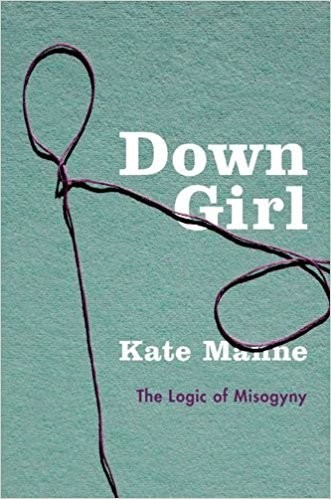
Down Girl: The Logic of Misogyny
Kate Manne · 2017
5.0 · 1 ratingIn this incisive work of feminist philosophy, Kate Manne rethinks misogyny not as a matter of individual hatred, but as a social and political system that polices and punishes women who challenge patriarchal expectations. Drawing on contemporary events, philosophical analysis, and cultural criticism, she examines how misogyny operates across institutions and everyday life, shaping responses to women’s autonomy, authority, and ambition. The book offers a powerful framework for understanding gendered hostility while illuminating the structures that sustain it—and the possibilities for resisting them.
- 44
Euthyphro
Plato · 0399
4.0 · 1 ratingAs Socrates awaits trial on charges of impiety, he encounters Euthyphro, a self-proclaimed expert in religious matters who is prosecuting his own father. Their conversation becomes a searching inquiry into the nature of piety, justice, and divine approval, exposing the difficulty of defining what is morally and religiously right. Through probing questions and ironic exchanges, the dialogue examines the limits of human knowledge and the dangers of mistaking confidence for wisdom. At once philosophical investigation and dramatic courtroom prelude, the work remains a foundational exploration of ethics, religion, and the Socratic method.
- 45
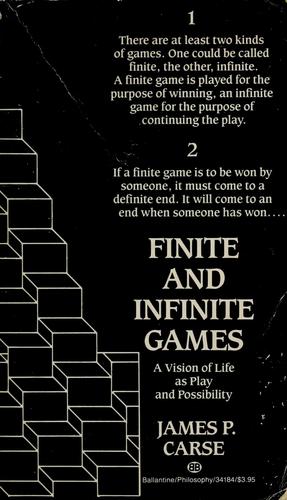
Finite and Infinite Games: A Vision of Life as Play and Possibility
James P. Carse · 1986
This influential work distinguishes between finite games, played to achieve victory within established rules, and infinite games, played to sustain participation, possibility, and renewal. Applying this framework to relationships, work, politics, culture, and personal identity, it challenges readers to reconsider the goals and assumptions that shape everyday life. Philosophical yet accessible, the book offers a provocative vision of freedom, creativity, and human meaning beyond the pursuit of winners and losers.
- 46
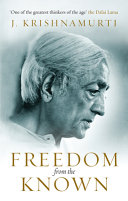
Freedom from the Known
Jiddu Krishnamurti · 1969
4.0 · 1 ratingThis incisive philosophical work examines how conditioning, fear, habit, and inherited beliefs shape the way people perceive themselves and the world around them. It challenges readers to question authority—including psychological and spiritual authority—and to discover whether genuine freedom can arise through direct awareness rather than prescribed systems or practices. With clarity and urgency, the book explores attention, relationship, thought, and the possibility of profound inner transformation. Its provocative reflections invite readers to move beyond the familiar and encounter life with greater openness and independence.
- 47
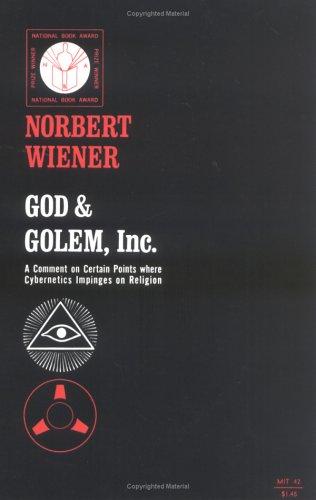
God & Golem, Inc.
Norbert Wiener · 1964
This thought-provoking work examines the points where cybernetics—the study of communication, control, and automation—intersects with religious belief and moral inquiry. Drawing on developments in computing, artificial intelligence, biology, and social systems, it considers what machines can reveal about human creativity, responsibility, and the nature of life. Norbert Wiener explores the promise and peril of technological power while questioning how traditional ideas of God, creation, and human agency must respond to an increasingly automated world. Written with intellectual rigor and philosophical reach, the book remains a significant meditation on technology’s ethical and spiritual consequences.
- 48
Gorgias
Plato · 0380
This influential philosophical dialogue examines the tension between rhetoric and truth through a searching exchange between Socrates and three prominent speakers. As the conversation unfolds, it probes the nature of persuasion, justice, political power, pleasure, and the responsibilities of those who seek to influence others. Combining sharp questioning with dramatic character-driven debate, the work challenges readers to consider whether success and power are meaningful without moral virtue. A foundational text in Western philosophy, it remains compelling for its insight into ethics, education, and public life.