Popular Political History Books
The political history books Readstead readers shelve most, out of 601 in the catalog.
- 1

Dune
Frank Herbert · 1965
4.3 · 7 ratingsStep onto the sands of Arrakis, a harsh desert planet that holds the key to the universe's most precious resource. This epic science fiction saga chronicles the perilous journey of young Paul Atreides, whose family is drawn into a deadly political struggle for control of this vital world. As betrayal and destiny intertwine, Paul must confront his own burgeoning powers and forge an alliance with the native Fremen. Herbert's masterpiece masterfully weaves together themes of ecology, religion, politics, and the corrupting nature of power, creating a richly imagined and enduring universe.
- 2
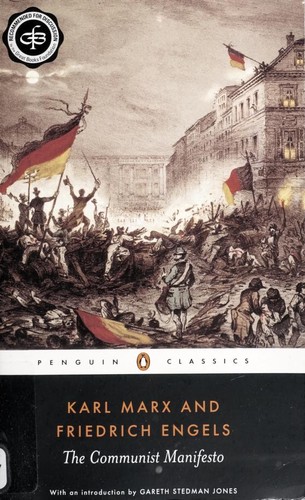
The Communist Manifesto
Karl Marx · 1848
3.3 · 3 ratingsThis seminal work, penned by Karl Marx, lays bare the fundamental principles of communism and outlines a radical vision for societal transformation. It presents a searing critique of capitalism, arguing for the inevitable overthrow of the bourgeoisie by the proletariat. The Manifesto serves as a foundational text for understanding historical materialism and the call for a classless society, profoundly influencing political thought and movements worldwide.
- 3
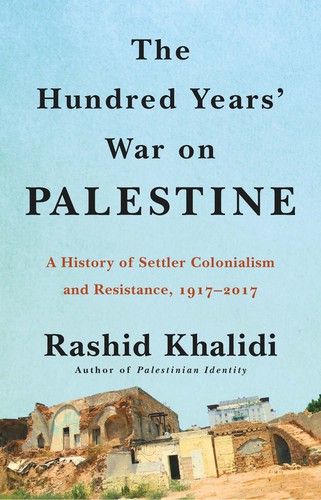
The Hundred Years’ War on Palestine: A History of Settler-Colonial Conquest and Resistance, 1917–2017
Rashid Khalidi · 2020
In this sweeping historical account, renowned scholar Rashid Khalidi traces the century-long conflict between Palestinians and Israeli settlers, examining the deep roots and complex dynamics of one of the world's most intractable geopolitical struggles. Drawing on extensive research and primary sources, Khalidi presents a comprehensive narrative of Palestinian resistance and dispossession from the end of World War I through 2017, challenging conventional Western narratives and centering Palestinian perspectives often marginalized in mainstream discourse. The book meticulously documents how colonial settlement patterns, military occupation, and political maneuvering have shaped the territorial and human landscape of Palestine, while highlighting the persistent Palestinian struggle for self-determination and dignity. Khalidi's scholarly yet accessible analysis illuminates the historical continuities and turning points that have defined this conflict, offering essential context for understanding contemporary Middle Eastern politics and the ongoing Palestinian-Israeli impasse. This landmark work stands as a vital contribution to Palestinian historiography and a crucial resource for anyone seeking to understand the roots and ramifications of this defining conflict of the modern era.
- 4
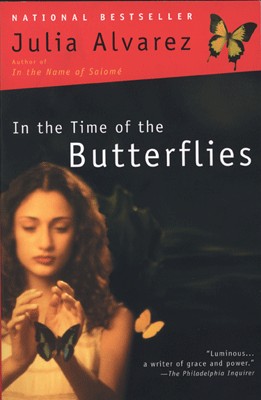
In the Time of the Butterflies
Julia Alvarez · 1995
3.0 · 1 ratingIn the waning days of the Trujillo dictatorship in the Dominican Republic, three courageous sisters—Minerva, Patria, and María Teresa Mirabal—risk everything to join an underground resistance movement, knowing the deadly consequences of their defiance. Julia Alvarez masterfully weaves together historical fact and imaginative fiction to bring these real-life revolutionaries, known as "las mariposas" (the butterflies), to vivid life, tracing their journey from ordinary young women to fearless political activists. Through multiple perspectives—including the haunting recollections of their surviving sister Dedé and the intimate diary entries of María Teresa—the novel captures the mounting tension, sacrifice, and sisterhood that defined their struggle against tyranny. Alvarez's controlled, powerful prose illuminates both the personal costs of resistance and the extraordinary courage required to challenge an oppressive regime, creating an unforgettable portrait of women who chose principle over safety.
- 5

Wolf Hall
Hilary Mantel · 2009
1.0 · 1 ratingHilary Mantel's Wolf Hall plunges readers into the treacherous world of Tudor England, chronicling the meteoric rise of Thomas Cromwell from humble beginnings to the right hand of King Henry VIII. As the King grapples with his desire for a male heir and seeks to annul his marriage to Catherine of Aragon, Cromwell navigates a labyrinth of political intrigue, religious upheaval, and personal ambition. This masterful historical novel offers a vivid and intimate portrait of a complex man at the heart of seismic change, exploring themes of power, loyalty, and the relentless pursuit of survival in a world where one misstep could mean ruin.
- 6
107 Days
Kamala Harris · 2024
4.7 · 3 ratingsIn this unprecedented account, Kamala Harris offers an intimate and gripping narrative of the 107 days that reshaped American history. As the first female Vice President, she recounts the intense and consequential journey from the unexpected announcement of her running mate's withdrawal to the pivotal election day. With the candor and unique perspective of a seasoned leader, Harris pulls back the curtain on the high-stakes campaign, revealing the challenges, strategies, and profound moments that defined this historic race. This is a firsthand look at the race for the presidency, told with the urgency and insight of a true insider.
- 7
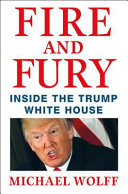
Fire and Fury : Inside the Trump White House
Michael Wolff · 2018
3.5 · 2 ratingsMichael Wolff's explosive account plunges readers into the heart of the Trump White House, revealing a chaotic and tumultuous administration unlike any seen before. Based on hundreds of interviews with top officials and insiders, the book offers an unprecedented look at the daily workings, power struggles, and shocking decisions that defined Donald Trump's first year in office. Wolff masterfully navigates the complex personalities and volatile dynamics, painting a vivid portrait of a presidency marked by internal conflict and external controversy. This gripping narrative explores themes of ambition, loyalty, and the very nature of truth in the modern political landscape.
- 8
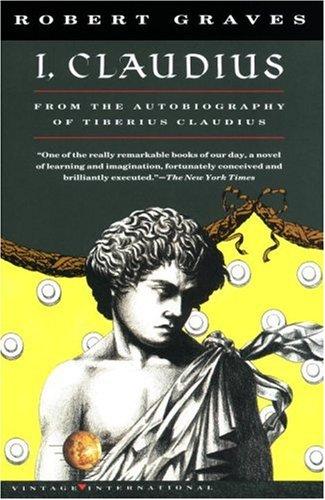
I, Claudius
Robert Graves · 1934
3.0 · 1 ratingRobert Graves's masterful historical novel, "I, Claudius," unfolds as the autobiography of the Roman Emperor Claudius, offering a unique and intimate perspective on the treacherous world of imperial Rome. From his humble beginnings, Claudius navigates a treacherous landscape of political intrigue, ambition, and betrayal, meticulously detailing the machinations of those who sought power. The narrative is dominated by the calculating influence of Livia, Augustus's wife, whose schemes cast a long shadow over the lives and deaths of those around her. Through Claudius's eyes, readers witness the rise and fall of emperors, the constant threat of assassination, and the desperate struggle for survival within the heart of the Roman Empire.
- 9

A Gentleman in Moscow
Amor Towles · 2016
In 1922, Count Alexander Rostov is sentenced to lifelong house arrest in Moscow’s grand Metropol Hotel after a poem spares him from execution for his aristocratic origins. Confined to a small attic room while revolution, political upheaval, and changing generations unfold beyond the hotel’s doors, he must build a meaningful life from the limited world around him. Through friendships, acts of kindness, and encounters with guests and officials—including a Soviet officer seeking to understand the ways of a gentleman—Rostov discovers that purpose can be found in even the most constrained circumstances. Both an elegant historical novel and a meditation on resilience, dignity, friendship, and the quiet power of everyday choices, the book unfolds through richly observed moments and Amor Towles’s polished, gently humorous prose.
- 10
Ghost on the Throne: The Death of Alexander the Great and the War for Crown and Empire
James Romm · 2011
4.0 · 1 ratingIn the aftermath of Alexander the Great’s sudden death, his vast empire is left without a clear successor and vulnerable to the ambitions of his generals. As rival commanders maneuver around a vulnerable royal family, alliances shift, battles erupt, and the dream of a unified empire gives way to a brutal struggle for power. Focusing on figures such as the resourceful Eumenes, this compelling historical narrative explores the political intrigue, military conflict, and personal rivalries that shaped the Hellenistic world. James S. Romm brings clarity and dramatic force to a turbulent chapter of antiquity, revealing how Alexander’s legacy became both a source of authority and a catalyst for war.
- 11
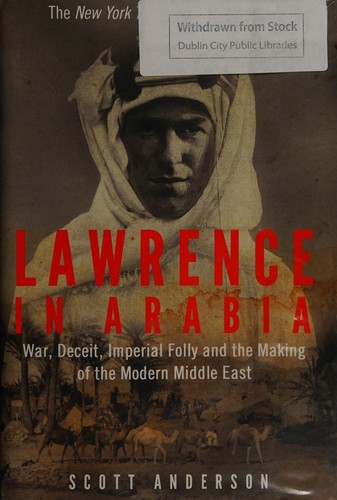
Lawrence in Arabia
Scott Anderson · 2013
This meticulously researched narrative plunges into the tumultuous landscape of the Middle East during World War I, centering on the enigmatic figure of T.E. Lawrence. It chronicles his extraordinary rise from archaeologist to military leader, guiding a diverse Arab army against the Ottoman Empire. The book offers a profound re-examination of the Arab Revolt and its pivotal role in shaping the modern Middle East, revealing the complex political machinations and personal dramas that defined this critical historical period. Anderson's work is a compelling exploration of ambition, cultural collision, and the enduring legacy of imperial ambitions.
- 12
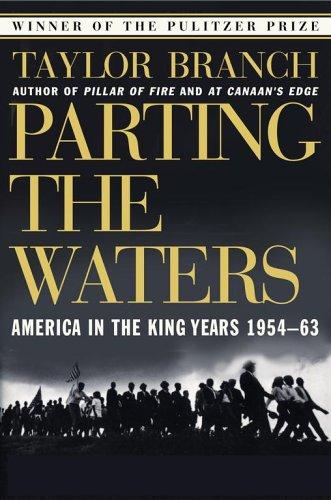
Parting the Waters: America in the King Years, 1954-63
Taylor Branch · 1988
5.0 · 1 ratingThis sweeping narrative traces the rise of the modern civil rights movement from the 1954 Brown v. Board of Education decision through the turbulent years of the early 1960s. It follows the grassroots organizers, visionary leaders, ordinary citizens, and political figures who confronted segregation and reshaped the national debate over justice and equality. Alongside landmark protests and legal battles, the book explores the movement’s strategic tensions, moral convictions, and profound personal costs. Meticulously researched and vividly told, it offers a landmark account of the people and events that transformed American democracy.
- 13
The Prize: The Epic Quest for Oil, Money and Power
Daniel Yergin · 1991
Daniel Yergin's seminal work, "The Prize," masterfully chronicles the tumultuous history of oil, tracing its profound impact on global politics, economics, and society. This comprehensive narrative delves into the relentless pursuit of this vital resource, revealing how it has shaped empires, fueled industrial revolutions, and ignited conflicts throughout the modern era. Yergin's unparalleled research and engaging prose illuminate the intricate web of power, wealth, and ambition that surrounds the "black gold" and its enduring influence on the world stage. Prepare to embark on an epic journey through over a century of discovery, innovation, and struggle for control of the world's most coveted commodity.
- 14
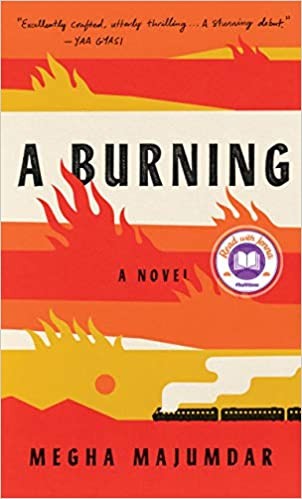
A Burning
Megha Majumdar · 2020
In the bustling heart of India, a young woman's life takes a dramatic turn after a terrorist attack, setting in motion a chain of events that will entwine the fates of three strangers. As suspicion and fear grip the nation, a celebrated Bollywood actor, a resilient gym owner, and a determined journalist find their lives irrevocably connected. This powerful debut novel explores themes of social injustice, ambition, and the enduring search for truth amidst a landscape of prejudice and political turmoil. Majumdar's prose is both sharp and compassionate, offering a poignant glimpse into the complexities of modern India and the human spirit's capacity for both cruelty and kindness.
- 15
Augustus
John Williams · 1972
In this National Book Award-winning novel, John Williams masterfully reconstructs the tumultuous early life of Gaius Octavius, the man who would become Augustus, Rome's first emperor. Thrust into power at the tender age of eighteen following the assassination of his uncle, Julius Caesar, the young Octavius must navigate a treacherous landscape of political intrigue and betrayal. He is surrounded by powerful figures who see him as a pawn, forcing him to mature rapidly and forge his own path to control. This gripping narrative explores the immense pressures of leadership, the complexities of power, and the making of an empire through the eyes of a reluctant ruler.
- 16
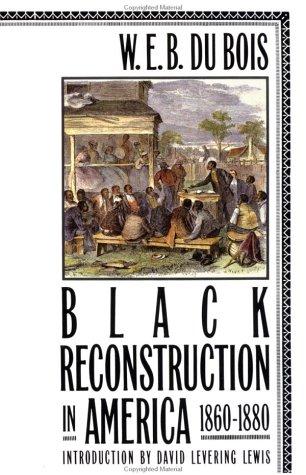
Black Reconstruction in America 1860-1880
W. E. B. Du Bois · 1935
4.0 · 1 ratingA landmark work of American history, this sweeping study reexamines the Civil War and Reconstruction through the central role of Black Americans in shaping the nation’s political, economic, and social future. Drawing on rigorous research and powerful analysis, it challenges traditional interpretations that diminish Black agency and reveals Reconstruction as a contested struggle over democracy, labor, citizenship, and racial justice. The book explores the achievements of formerly enslaved people, the forces of white resistance, and the enduring consequences of Reconstruction’s collapse. Both a foundational work of historical scholarship and a passionate argument for a more complete understanding of American history, it remains essential reading on race, power, and democracy.
- 17
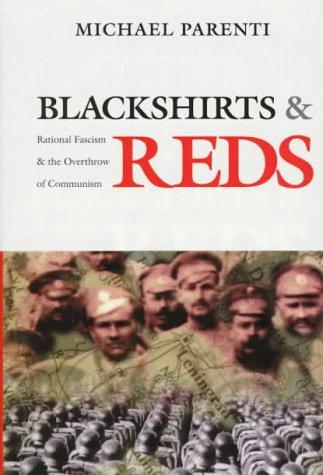
Blackshirts and Reds: Rational Fascism and the Overthrow of Communism
Michael Parenti · 1997
In "Blackshirts and Reds," Michael Parenti offers a provocative analysis of fascism and communism, challenging conventional historical narratives. He argues that fascism, far from being a mere aberration, represents a rational response by capital to the threat of socialist revolution. Parenti meticulously examines the economic and political forces that fueled fascist movements and contrasts them with the ideological underpinnings and practical outcomes of communist states. This work is essential for understanding the historical struggle between capitalism and communism and the enduring appeal of authoritarian ideologies.
- 18
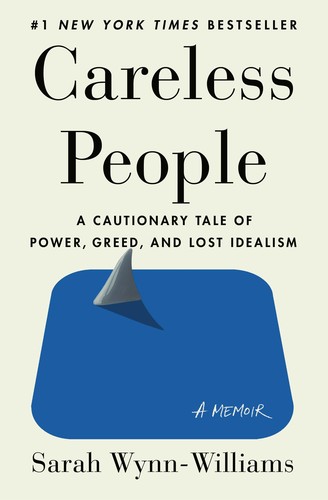
Careless People: A Cautionary Tale of Power, Greed, and Lost Idealism
Sarah Wynn-Williams · 2025
In this unflinching memoir, Sarah Wynn-Williams offers a rare and intimate look inside the corridors of power at one of the world's most influential tech giants. She chronicles her journey from idealistic newcomer to disillusioned insider, revealing the intoxicating allure and corrosive effects of unchecked ambition. The narrative delves into the complex interplay of power, greed, and the erosion of personal values within a corporate culture that prioritizes growth above all else. Wynn-Williams's candid account serves as a potent cautionary tale about the human cost of technological advancement and the compromises made in the pursuit of influence.
- 19
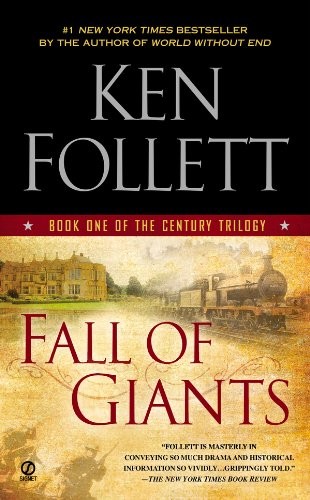
Fall of Giants
Ken Follett · 2010
Ken Follett's epic saga, *Fall of Giants*, launches the Century Trilogy by weaving together the lives of five interconnected families across America, Germany, Russia, England, and Wales. Set against the tumultuous backdrop of World War I, the Russian Revolution, and the fight for women's suffrage, the novel plunges readers into a world on the brink of monumental change. Through compelling personal narratives, Follett explores the dramatic political shifts and societal upheavals that defined the early 20th century, from the trenches of war to the halls of power. This sweeping historical novel masterfully captures the human cost of global conflict and revolution, setting the stage for the decades to come.
- 20
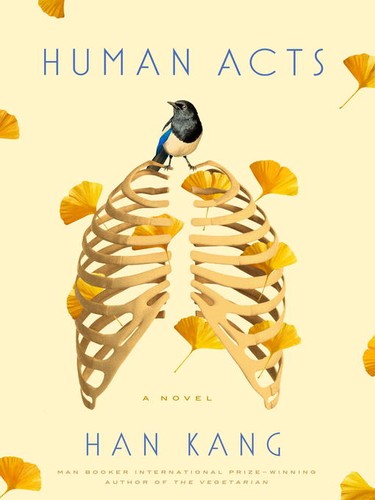
Human Acts
Han Kang · 2014
Through the death of a young boy during the May 1980 Gwangju Uprising, Han Kang weaves a profound meditation on violence, loss, and the resilience of the human spirit in the face of state brutality. This haunting novel traces the interconnected lives of those touched by the tragedy, exploring how personal grief and collective trauma reshape the landscape of memory and meaning. With unflinching prose, Kang examines the power of storytelling itself as a fundamentally human act—a way of bearing witness to suffering and refusing to let atrocity fade into silence. The novel grapples with existential questions about mortality, isolation, and our shared humanity, suggesting that in exchanging stories and acknowledging one another's pain, we affirm what it means to be human. A masterwork of contemporary Korean literature, *Human Acts* stands as both a historical reckoning and a timeless exploration of how we survive and endure in the aftermath of tragedy.
- 21
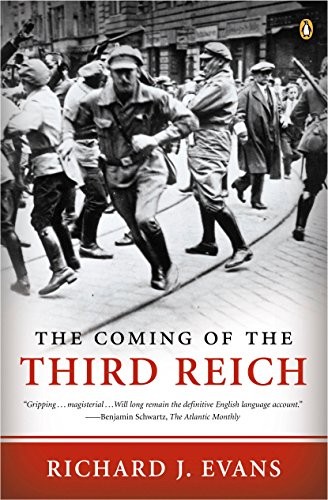
The Coming of the Third Reich
Richard J. Evans · 2003
How does a modern, outwardly dynamic Germany—politically plural and socially ambitious—come to be seized within a generation by a violent, racist extremist movement? This sweeping, research-driven account traces the forces that made the rise of Hitler and the Nazis possible, examining the political, economic, and cultural pressures of the early twentieth century and the choices that turned instability into catastrophe. With a synthesis of major scholarship and fresh interpretations, the narrative restores both drama and contingency to the path to power, showing that the Third Reich did not arrive by inevitability but through a convergence of conditions and decisions. Themes of democracy’s fragility, radicalization, propaganda, and the social roots of mass support illuminate how a society can slide from representative politics into moral and physical ruin.
- 22
The JFK Conspiracy: The Secret Plot to Kill Kennedy—and Why It Failed
Brad Meltzer · 2025
5.0 · 1 ratingBefore John F. Kennedy reached the White House, a determined assassin plotted to stop him, a secret that remained buried for decades. This gripping narrative unearths a chillingly plausible assassination attempt that, had it succeeded, would have irrevocably altered American history. Authors Brad Meltzer and Josh Mensch masterfully weave together meticulous research with the suspense of a thriller, bringing this hidden chapter of the past vividly to life. Discover the intricate details of the plot, the motivations behind it, and the near-miss that allowed Kennedy's presidency to begin.
- 23
The Myth of American Idealism: How U.S. Foreign Policy Endangers the World
Noam Chomsky, Nathan J. Robinson · 2024
In this incisive and timely critique, Noam Chomsky and Nathan J. Robinson challenge the foundational myths of American foreign policy, exposing the gap between the nation's stated ideals of democracy and freedom and its actual global impact. Drawing on decades of analysis, the authors trace America's pursuit of dominance across pivotal conflicts—from the Israeli-Palestinian struggle to the wars in Iraq and Afghanistan—revealing how interventionist policies have consistently served elite interests while destabilizing regions worldwide. Rather than accepting the self-serving narratives promoted by U.S. political and corporate leadership, this book offers a rigorous examination of how American exceptionalism has become a dangerous ideology that endangers global stability. Accessible yet intellectually rigorous, this work serves as an essential introduction to Chomsky's lifetime of critical thought on U.S. imperialism and a call to reckon with the true consequences of American foreign policy. Urgent and provocative, it challenges readers to question the myths they've been taught and to understand the real-world human cost of unchecked American power.
- 24
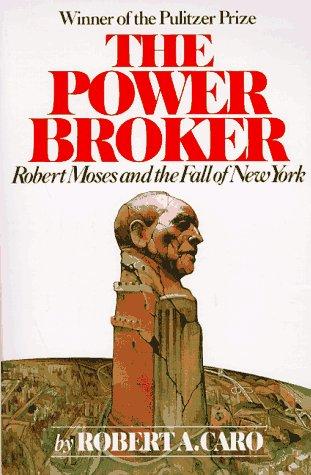
The Power Broker
Robert A. Caro · 1974
Robert Caro's monumental biography meticulously chronicles the life and unparalleled influence of Robert Moses, the unelected official who profoundly shaped 20th-century New York City. Through exhaustive research and a gripping narrative, this Pulitzer Prize-winning work reveals how Moses, a master manipulator of the political system, wielded immense power to transform the city's landscape and the lives of its inhabitants. The book offers an unprecedented look into the inner workings of power and politics in America, presenting a complex portrait of a man who, denied conventional authority, forged his own path to reshape a metropolis.
- 25
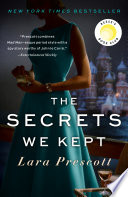
The Secrets We Kept
Lara Prescott · 2019
3.0 · 1 ratingIn 1950s Washington D.C., a forbidden love affair between a married American president and a Soviet journalist ignites a global crisis. As the Cold War intensifies, the women in their lives—wives, lovers, and spies—are drawn into a dangerous game of secrets and sacrifice. This gripping novel explores the hidden costs of power, the complexities of female relationships, and the lengths to which people will go to protect their families and their country. Lara Prescott masterfully weaves a tale of espionage, passion, and the untold stories of women who shaped history from the shadows.
- 26
The Shock Doctrine: The Rise of Disaster Capitalism
Naomi Klein · 2007
In this groundbreaking work, Naomi Klein exposes the disturbing relationship between major crises and the implementation of radical free-market policies, coining the term "disaster capitalism" to describe this phenomenon. Through meticulously researched case studies spanning from Pinochet's Chile to post-invasion Iraq, Klein traces how governments and corporations exploit moments of shock—whether natural disasters, wars, or economic collapse—to push through unpopular neoliberal reforms that would never survive public scrutiny during normal times. Drawing on her investigative journalism and sharp analytical eye, Klein reveals the ideological underpinnings of this strategy and its devastating human costs across the globe. This powerful critique challenges readers to recognize the patterns of exploitation hidden beneath the rhetoric of economic progress and free markets. A essential examination of how crisis becomes an opportunity for the powerful to reshape society according to their vision.
- 27

The Spy Who Came In from the Cold
John le Carre · 1963
4.0 · 1 ratingIn the twilight of the Cold War, a weary British spy is tasked with a dangerous final mission: to orchestrate the downfall of a formidable East German intelligence chief. Navigating a treacherous landscape of double agents, moral ambiguity, and shifting loyalties, he must decide how much he's willing to sacrifice for his country and his own survival. This gripping espionage thriller masterfully explores the psychological toll of espionage, the blurred lines between good and evil, and the devastating human cost of ideological conflict. John le Carré's unparalleled insight into the world of spies delivers a chillingly realistic and unforgettable narrative.
- 28

The Three Musketeers
Alexandre Dumas · 1844
3.8 · 2 ratingsEmbark on a thrilling adventure in 17th-century France with a young Gascon named d'Artagnan, who journeys to Paris with dreams of joining the King's elite Musketeers. He soon befriends the legendary Athos, Porthos, and Aramis, forming an unbreakable bond as they navigate a world of political intrigue, duels, and daring escapades. Together, these four heroes stand against the machinations of Cardinal Richelieu and the sinister Milady de Winter, defending the honor of the Queen and the stability of the kingdom. Alexandre Dumas masterfully weaves a tale of loyalty, courage, and justice, exploring the abuses of power and the enduring spirit of camaraderie.
- 29
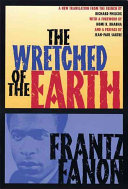
The Wretched of the Earth
Frantz Fanon · 1961
Frantz Fanon's seminal work offers a profound analysis of the psychological impact of colonialism and the complex path to liberation for the colonized. Through the lens of a psychiatrist deeply involved in anti-colonial struggles, Fanon dissects the rage, frustration, and the role of violence in societal transformation. This enduring text critically examines the pitfalls of post-independence nations, including elite disenfranchisement and intergroup conflict, providing a stark reflection of challenges faced by emerging states. Its powerful insights into racial difference, revolutionary struggle, and social reorganization have cemented its status as a landmark text, influencing movements for civil rights and decolonization globally.
- 30

When Christ and His Saints Slept
Sharon Kay Penman · 2009
In the tumultuous 12th century, England is plunged into a brutal civil war known as The Anarchy, a conflict sparked by a succession crisis following the death of King Henry I. His only legitimate heir, Empress Maude, is denied her rightful throne by her cousin, Stephen of Blois, who seizes power in a daring bid for the crown. This gripping historical novel vividly portrays Maude's unwavering determination to reclaim her birthright, setting the stage for a dynastic struggle that will shape the future of England for generations to come. Penman masterfully weaves together political intrigue, personal ambition, and the harsh realities of medieval life, immersing readers in a pivotal era of English history.
- 31
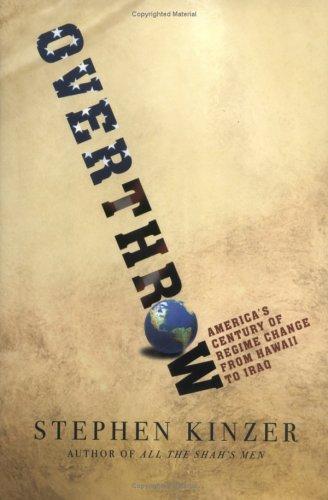
Overthrow
Stephen Kinzer · 2006
In the shadowy world of coups and covert operations, this book traces how political power is seized, contested, and reshaped—often with consequences that echo far beyond the moment of overthrow. Drawing on historical cases and investigative reporting, it follows the strategies used by outside actors and local allies to destabilize governments, mobilize opposition, and install new leadership. At its core, the story examines themes of intervention, legitimacy, and the human cost of “regime change,” asking what happens when democracy is pursued through force. Written with the clarity and momentum of journalistic history, the authors connect policy decisions to real-world outcomes, offering readers a sobering look at how revolutions can be engineered—and how they can unravel.
- 32
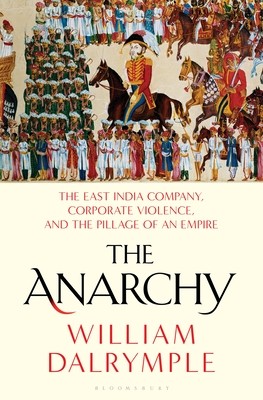
The Anarchy
William Dalrymple · 2019
In this sweeping history, the rise of the British East India Company is revealed as one of the most consequential—and troubling—episodes in the making of the modern world. As the Mughal Empire fragments, a private trading corporation transforms itself into a military and political power, exploiting rivalries, reshaping economies, and extending its rule across much of the Indian subcontinent. Drawing on vivid firsthand accounts and extensive archival research, the narrative explores empire, greed, violence, and the human cost of unchecked corporate power. Compelling and meticulously researched, it offers a fresh perspective on colonialism and the origins of global capitalism.
- 33
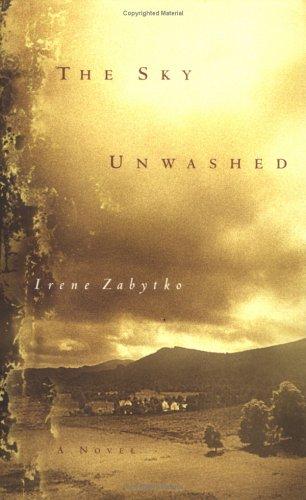
The Sky Unwashed
Irene Zabytko · 2000
In a Ukrainian farming village, a family’s wedding celebrations give way to uncertainty when a catastrophic event at the nearby Chernobyl nuclear plant changes their world overnight. As authorities order a permanent evacuation, Marusia Petrenko refuses to abandon the only home she has ever known, returning to a contaminated village where silence and absence have replaced ordinary life. There, she finds unexpected strength and companionship among a small circle of older women who share her determination to survive and resist official indifference. Inspired by true events, this poignant novel explores displacement, memory, community, and the enduring human bond with home.
- 34
Avenue of Spies
Alex Kershaw · 2015
Set in Nazi-occupied Paris, this gripping true story follows an American surgeon, his French wife, and their young son as they become involved in a dangerous underground effort to help Allied airmen escape. Living on the prestigious Avenue Foch—one of the centers of German power—the family must navigate surveillance, betrayal, and the escalating brutality of the occupation. Blending personal courage with the broader history of the French Resistance, the narrative explores sacrifice, moral conviction, and the extraordinary risks ordinary people took to oppose tyranny. Told with cinematic detail and meticulous research, it offers a deeply human portrait of heroism under unimaginable pressure.
- 35
Crossing Mandelbaum Gate
Kai Bird · 2010
Part memoir, part history, this compelling account follows an American journalist’s formative years in the Middle East during a period of war, political upheaval, and shifting alliances. Moving between Arab and Israeli communities from the Suez Crisis through the late 1970s, it offers an intimate perspective on the people, places, and events that shaped the modern region. The narrative explores identity, nationalism, diplomacy, and the human costs of the Arab-Israeli conflict, while illuminating the cultural tensions and personal encounters behind the headlines. Richly reported and reflective, it provides both a vivid coming-of-age story and a nuanced examination of one of the twentieth century’s most enduring geopolitical struggles.
- 36
Daughters of the Flower Fragrant Garden
Zhuqing Li · 2019
In this poignant family memoir, Zhuqing Li traces the intertwined lives of two sisters whose paths are divided by the upheaval of China’s civil war and its aftermath. Moving between personal recollection, family stories, and historical context, the book explores separation, displacement, identity, and the enduring bonds of sisterhood. It offers an intimate perspective on a turbulent period in Chinese history while illuminating the often-overlooked experiences of women and families caught between political worlds. Both deeply personal and historically resonant, this is a moving account of memory, belonging, and the long reach of history.
- 37
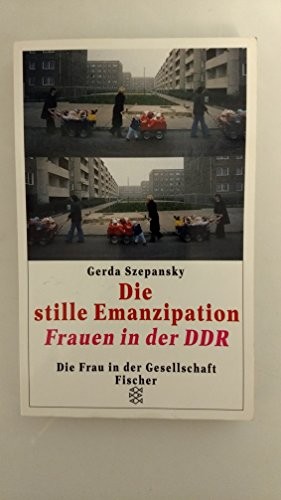
Die stille Emanzipation: Frauen in der DDR
Gerda Szepansky · 1995
Gerda Szepansky zeichnet ein vielschichtiges Bild der Frauen in der DDR und untersucht, wie sich staatlich propagierte Gleichberechtigung im Alltag tatsächlich auswirkte. Im Mittelpunkt stehen Erfahrungen zwischen Berufstätigkeit, Familie, Kinderbetreuung und gesellschaftlichem Engagement sowie die individuellen Wege, auf denen Frauen Selbstständigkeit und Handlungsspielräume gewannen. Die Studie beleuchtet zugleich die Widersprüche zwischen offizieller Emanzipationspolitik und fortbestehenden Belastungen und macht die Lebenswelt ostdeutscher Frauen als Teil der deutschen Zeitgeschichte sichtbar. Anschaulich und kritisch verbindet das Buch persönliche Erfahrungen mit einer differenzierten Analyse der DDR-Gesellschaft.
- 38
George, Nicholas and Wilhelm
Miranda Carter · 2009
This compelling history explores the intertwined lives of George V of Britain, Nicholas II of Russia, and Wilhelm II of Germany—three royal cousins whose family ties could not prevent the nations they ruled from drifting toward catastrophe. Drawing on personal correspondence, political history, and vivid character portraits, it examines their upbringing, rivalries, personalities, and often uneasy relationships against the backdrop of a rapidly changing Europe. The book reveals how dynastic privilege, national ambition, militarism, and personal misjudgment shaped the road to the First World War and transformed the European monarchy. Engaging and richly researched, it offers an intimate portrait of power, family, and the limits of royal influence.
- 39
Hitler's People
Richard J. Evans · 2024
Through a series of vivid biographical portraits, this sweeping history examines the men and women who enabled, served, supported, and endured Hitler’s regime. It moves beyond the image of a dictatorship imposed by a single leader to explore the motives, ambitions, fears, and compromises that drew millions of ordinary people into the workings of the Third Reich. With penetrating analysis and meticulous research, the book considers complicity, conformity, fanaticism, and moral responsibility in a society transformed by propaganda and terror. The result is a compelling and unsettling account of how authoritarian power depends on human choices.
- 40
Irena's Children
Tilar J. Mazzeo · 2016
During the Nazi occupation of Poland, a courageous Polish social worker risks her life to rescue thousands of Jewish children from the Warsaw Ghetto. Drawing on archival research and personal accounts, this compelling narrative explores the clandestine network that helped children escape, survive, and preserve their identities amid unimaginable danger. It is a powerful story of moral courage, sacrifice, resistance, and the enduring strength of compassion in the face of atrocity. Vividly rendered and deeply moving, the book brings renewed attention to an extraordinary yet long-overlooked chapter of Holocaust history.
- 41
King
Christopher Andersen · 2017
This compelling biography traces the life and legacy of Martin Luther King Jr., from his upbringing and early formation to his emergence as the defining leader of the American civil rights movement. It explores his commitment to nonviolent resistance, his powerful oratory, and the personal convictions that guided his campaigns against racial injustice and inequality. Alongside his public triumphs, the book examines the pressures, controversies, and sacrifices that shaped his journey, offering an accessible portrait of a transformative figure whose influence continues to resonate.
- 42
Life of a Klansman
Edward Ball · 2020
In this searching family memoir, Edward Ball investigates the life of an ancestor who participated in the Ku Klux Klan during the violent aftermath of the Civil War. Moving between archival research, historical reconstruction, and personal reflection, he examines how racial terror, white supremacy, and inherited privilege shaped both his family and the nation. The book offers a deeply personal reckoning with American history, asking what it means to confront wrongdoing carried across generations. Written with the rigor of a historian and the candor of a memoirist, it explores memory, responsibility, and the possibility of moral understanding without surrendering accountability.
- 43
She-Wolves
Helen Castor · 2010
This compelling work explores the turbulent history of England’s medieval and early modern female rulers, from Empress Matilda through Elizabeth I. It examines how women such as Eleanor of Aquitaine, Isabella of France, Margaret of Anjou, and Mary I navigated a political world built to exclude them, confronting rebellion, dynastic conflict, religious upheaval, and questions about legitimacy. Combining vivid narrative with incisive historical analysis, the book reveals how gender shaped the exercise and perception of royal power. It offers a nuanced portrait of queenship, ambition, and the enduring struggle between convention and authority.
- 44
The Biggest Prison on Earth
Ilan Pappe · 2017
Drawing on declassified archives and extensive historical research, this incisive study traces the origins and development of Israel’s occupation of the West Bank and Gaza after 1967. It examines how political decisions, military strategies, legal structures, and bureaucratic systems combined to govern and constrain the lives of Palestinians. With a sharp focus on power, dispossession, resistance, and the international response, the book offers a challenging account of one of the modern era’s most enduring conflicts. Its forceful analysis invites readers to reconsider the history and continuing realities of the Occupied Territories.
- 45
The Big Green Tent
Li͡udmila Ulit͡skai͡a · 2010
In ihrem vielstimmigen Roman erzählt die Autorin vom Leben dreier Freunde, die im Moskau der Nach-Stalin-Zeit zwischen Literatur, Musik, Fotografie und politischer Repression ihren eigenen Weg suchen. Ihre Freundschaft wird zum beständigen Rückhalt in einer Gesellschaft, in der freie Gedanken und persönliche Entscheidungen immer wieder unter Druck geraten. Über mehrere Jahrzehnte hinweg entfaltet sich ein großes Panorama der sowjetischen Intelligenzija – geprägt von Liebe, Verlust, Mut und der Frage, welchen Preis geistige Freiheit verlangt. Ein eindringlicher, warmherziger Roman über Freundschaft, Erinnerung und den Widerstand des Individuums gegen staatliche Kontrolle.
- 46
Assyria
Eckart Frahm · 2023
5.0 · 1 ratingThis sweeping history traces the rise of Assyria from a regional power to one of the ancient Near East’s most formidable empires, exploring its rulers, military innovations, administration, and far-reaching influence. Drawing on cuneiform texts, archaeological evidence, and the latest scholarship, it brings to life the society, religion, art, and intellectual world that sustained Assyrian power. Alongside its celebrated achievements, the book examines the violence, political tensions, and cultural encounters that shaped the empire’s expansion and eventual transformation. Clear, richly informed, and engagingly written, it offers a nuanced portrait of Assyria and its enduring legacy in the history of the ancient world.
- 47
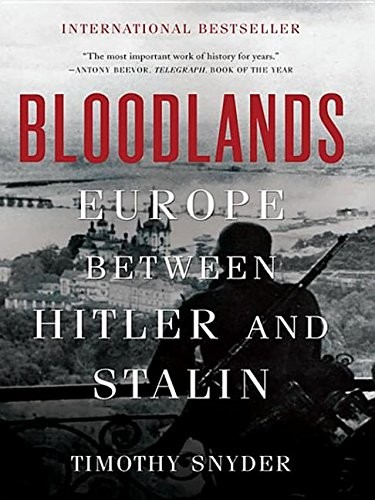
Bloodlands: Europe Between Hitler and Stalin
Timothy Snyder · 2010
In the lands between Germany and Russia, two totalitarian regimes carried out an unprecedented campaign of mass murder, transforming Eastern Europe into the central killing ground of the twentieth century. Timothy Snyder examines the policies and human consequences of Stalin’s collectivization, famine, terror, and deportations alongside Hitler’s occupation, racial war, and genocide, revealing the connections and distinctions between them. Drawing on extensive research and individual testimony, the book restores victims and survivors to the center of a history long obscured by war, ideology, and the Iron Curtain. It is a deeply humane, ambitious account of political violence, memory, and the struggle to understand Europe’s darkest years.
- 48

Capital
Karl Marx · 1867
3.5 · 1 ratingKarl Marx's monumental work, Das Kapital, offers a profound critique of political economy and lays bare the inner workings of capitalism. Through meticulous analysis, Marx explores the nature of commodities, the creation of surplus value, and the inherent contradictions that drive capitalist society. This foundational text delves into themes of labor, exploitation, and the historical trajectory of economic systems, providing a framework for understanding social and economic inequality. Its enduring influence continues to shape critical thought and debate on the fundamental structures of modern economies.