Popular Economics Books
The economics books Readstead readers shelve most, out of 274 in the catalog.
- 1
After Steve
Tripp Mickle · 2022
3.0 · 1 ratingThis meticulously reported account examines Apple’s transformation after the death of its visionary co-founder, as Tim Cook and chief designer Jony Ive steer the company into a new era. It traces Apple’s rise from innovative technology company to trillion-dollar powerhouse while exploring the tensions between creative ambition, operational discipline, corporate growth, and the demands of Wall Street. Drawing on extensive interviews and behind-the-scenes reporting, the book offers an illuminating portrait of leadership, legacy, and the human costs of sustaining extraordinary success.
- 2
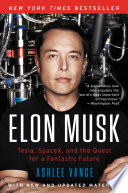
Elon Musk: Tesla, SpaceX, and the Quest for a Fantastic Future
Ashlee Vance · 2015
2.0 · 1 ratingThis compelling biography traces Elon Musk’s rise from an ambitious entrepreneur to the driving force behind Tesla, SpaceX, and other bold technological ventures. Drawing on extensive interviews with Musk, his family, colleagues, and critics, it explores the vision, risk-taking, resilience, and relentless ambition behind his efforts to transform transportation, energy, and space exploration. Ashlee Vance presents both the inspiring possibilities and intense personal demands of pursuing seemingly impossible goals, offering an insightful portrait of a pioneering—and polarizing—figure shaping the future.
- 3
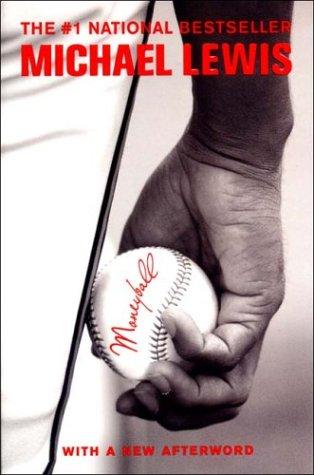
Moneyball
Michael Lewis · 2003
Michael Lewis chronicles the revolutionary approach of Billy Beane, the general manager of the underdog Oakland A's, who defied conventional wisdom to build a winning team on a shoestring budget. Faced with the financial might of richer clubs, Beane and his unconventional team of analysts turned to sabermetrics, a data-driven method of evaluating players based on objective statistical analysis rather than traditional scouting methods. This groundbreaking strategy questioned decades of established baseball dogma, proving that undervalued players could lead to championship success and forever changing the landscape of the sport.
- 4

The Intelligent Investor
Benjamin Graham · 1949
5.0 · 1 ratingA cornerstone of value investing, this classic guide teaches readers how to think like an “intelligent investor” by focusing on fundamentals rather than hype. Through a clear, disciplined framework, it explores how to assess a company’s underlying value, manage risk, and make decisions that can endure market swings. The book’s high-level approach emphasizes long-term thinking, skepticism toward market optimism, and the importance of temperament as much as analysis. Updated for modern readers in later editions, its enduring influence—shaped by Benjamin Graham’s practical, commonsense style and Jason Zweig’s accessible commentary—has made it a go-to resource for anyone seeking steadier, more rational investing results.
- 5
The Prize: The Epic Quest for Oil, Money and Power
Daniel Yergin · 1991
Daniel Yergin's seminal work, "The Prize," masterfully chronicles the tumultuous history of oil, tracing its profound impact on global politics, economics, and society. This comprehensive narrative delves into the relentless pursuit of this vital resource, revealing how it has shaped empires, fueled industrial revolutions, and ignited conflicts throughout the modern era. Yergin's unparalleled research and engaging prose illuminate the intricate web of power, wealth, and ambition that surrounds the "black gold" and its enduring influence on the world stage. Prepare to embark on an epic journey through over a century of discovery, innovation, and struggle for control of the world's most coveted commodity.
- 6

Zero to One
Peter Thiel, Blake Masters · 2014
3.5 · 2 ratingsIn an era often perceived as one of technological stagnation, Peter Thiel challenges readers to look beyond incremental improvements and embrace radical innovation. This book argues that true progress comes not from competing in existing markets, but from creating entirely new ones, moving from '1 to n' to '0 to 1'. Thiel, a legendary entrepreneur and investor, guides aspiring innovators to think for themselves and identify unique opportunities for creating value. It's a call to action for those seeking to build the future by mastering the art of original thinking and escaping the trap of conventional competition.
- 7
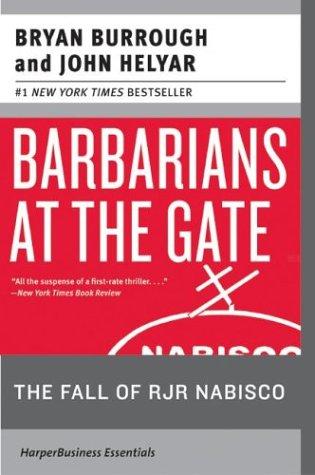
Barbarians at the Gate: The Fall of RJR Nabisco
Bryan Burrough · 1990
In this gripping account of corporate ambition and financial excess, Bryan Burrough and John Helyar chronicle the dramatic leveraged buyout of RJR Nabisco, one of the largest and most contentious deals in business history. Through meticulous investigative journalism, the authors expose the ruthless maneuvering, staggering sums of money, and larger-than-life personalities that collided in this high-stakes battle for control of a tobacco and food empire. The narrative captures the era's unbridled greed and the complex web of dealmaking that would reshape corporate America, offering readers an insider's view of how ambition and self-interest can override prudence and ethics. A masterwork of business storytelling, this enduring bestseller remains a cautionary tale about the dangers of unchecked corporate power and the human cost of financial engineering. With a new afterword reflecting on the deal's legacy, this classic work continues to resonate as essential reading for understanding modern capitalism's excesses.
- 8

Enshittification: Why Everything Suddenly Got Worse and What to Do About It
Cory Doctorow · 2025
In *Enshittification*, Cory Doctorow diagnoses a phenomenon that feels all too familiar: the steady, inexplicable decline of the digital platforms we depend on daily. With characteristic clarity and energy, Doctorow traces how tech monopolies systematically dismantled the internet's early architecture of openness and interoperability—once the digital immune system that protected users and enabled competition—to create chokepoints of control and exploitation. The book explores the social, governmental, and financial guardrails that once prevented companies from degrading their products for profit, and how their removal has left users vulnerable to abuse. Through compelling examples and incisive analysis, Doctorow reveals that the decay you've noticed isn't imaginary—it's the result of deliberate corporate strategies designed to extract maximum value from users. *Enshittification* is both a reckoning with how we got here and a call to action for reclaiming the internet we deserve.
- 9
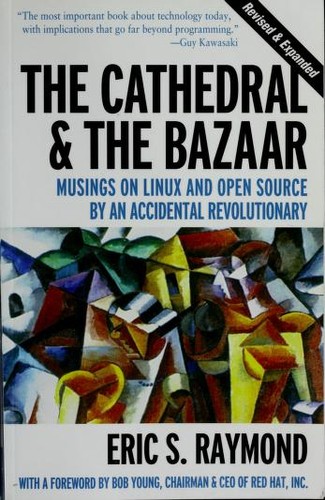
The Cathedral & the Bazaar: Musings on Linux and Open Source by an Accidental Revolutionary
Eric S. Raymond · 1999
5.0 · 1 ratingDrawing on the rise of Linux and the open-source movement, this influential collection of essays examines how software can be created through open collaboration rather than controlled, centralized development. Eric S. Raymond contrasts the “cathedral” model—carefully managed and released by a small group—with the “bazaar” model, where a broad community of users and developers continuously tests, improves, and reshapes a project. Blending practical observations, technological analysis, and economic insight, the book explores innovation, peer production, software quality, and the changing relationship between programmers, businesses, and users. A landmark work in the history of open source, it offers a provocative account of how collaborative culture can transform the information economy.
- 10
The Shock Doctrine: The Rise of Disaster Capitalism
Naomi Klein · 2007
In this groundbreaking work, Naomi Klein exposes the disturbing relationship between major crises and the implementation of radical free-market policies, coining the term "disaster capitalism" to describe this phenomenon. Through meticulously researched case studies spanning from Pinochet's Chile to post-invasion Iraq, Klein traces how governments and corporations exploit moments of shock—whether natural disasters, wars, or economic collapse—to push through unpopular neoliberal reforms that would never survive public scrutiny during normal times. Drawing on her investigative journalism and sharp analytical eye, Klein reveals the ideological underpinnings of this strategy and its devastating human costs across the globe. This powerful critique challenges readers to recognize the patterns of exploitation hidden beneath the rhetoric of economic progress and free markets. A essential examination of how crisis becomes an opportunity for the powerful to reshape society according to their vision.
- 11
Bourgeois Dignity: Why Economics Can't Explain the Modern World
Deirdre N. McCloskey · 2010
In this provocative reinterpretation of modern economic history, the origins of unprecedented prosperity are traced to a transformation in how Europeans understood and spoke about commerce, innovation, and the bourgeoisie. Challenging explanations centered on exploitation, institutions, class conflict, religion, or capital accumulation, the book argues that changing rhetoric helped grant entrepreneurial activity a new measure of dignity and legitimacy. Moving from the early modern period through the present, it explores how ideas and public approval interacted with markets to produce the conditions for the Industrial Revolution and sustained economic growth. Combining economic analysis with intellectual and cultural history, the work offers a bold account of why the modern world became so much wealthier.
- 12
Cost of Crude
Inge-Lise Goss · 2014
3.0 · 1 ratingAgainst the high-stakes backdrop of the oil industry, a troubling chain of events draws ordinary people into a dangerous struggle where corporate power, personal ambition, and environmental responsibility collide. As hidden interests emerge and the consequences of crude oil reach far beyond the marketplace, the characters must confront difficult questions about profit, justice, and the true price of progress. Blending suspense with timely social concerns, this thought-provoking novel explores the human cost behind one of the world’s most powerful industries.
- 13
The Economic Collapse Chronicles
Mark Goodwin · 2012
4.0 · 1 ratingA timely exploration of the forces that can drive economies toward crisis, this book examines financial instability, systemic risk, and the warning signs that often precede collapse. It considers how monetary policy, debt, markets, and political decisions can affect institutions and everyday life, while placing economic upheaval in a broader historical and social context. Accessible and thought-provoking, the narrative encourages readers to question conventional assumptions about financial security and consider how individuals and communities might prepare for an uncertain future.
- 14
Broke in America
Joanne Samuel Goldblum, Colleen Shaddox · 2021
A clear-eyed examination of poverty in the United States, this book reveals how millions of people can work hard and still struggle to afford food, housing, health care, and other basic necessities. Drawing on research, firsthand accounts, and years of experience, it challenges the myths and political assumptions that frame poverty as an individual failure rather than a systemic problem. The authors explore the policies, institutions, and economic forces that keep people financially insecure while highlighting practical pathways toward meaningful change. Accessible, compassionate, and urgent, the book offers both a deeper understanding of poverty and a call to build a more equitable society.
- 15
Build
Tony Fadell · 2022
5.0 · 1 ratingAn insightful, practical guide to turning ambitious ideas into products and companies that genuinely improve people’s lives, this book draws on decades of experience creating groundbreaking technology. It explores the full journey from identifying meaningful problems and developing strong teams to navigating setbacks, making difficult decisions, and bringing enduring products to market. Blending candid lessons from the development of the iPod, iPhone, and Nest with actionable advice, it emphasizes curiosity, craftsmanship, empathy, and disciplined execution. The result is an encouraging resource for entrepreneurs, creators, leaders, and anyone determined to build something worth making.
- 16
Grocery
Michael Ruhlman · 2017
A revealing exploration of the American grocery store, this book examines how food is produced, marketed, priced, purchased, and ultimately brought to the table. Blending reporting, cultural history, and personal observation, it looks beyond supermarket aisles to consider the labor, economics, technology, and consumer choices that shape the modern food system. The result is an engaging portrait of an everyday institution—and a thoughtful inquiry into what our shopping habits say about American life, convenience, and the meaning of good food.
- 17

An Elegant Puzzle: Systems of Engineering Management
Will Larson · 2019
3.0 · 1 ratingEngineering management is a complex discipline shaped by people, systems, and constantly changing technical demands. This practical guide explores how leaders can approach challenges such as team design, organizational growth, technical debt, planning, and succession with greater clarity and intention. Drawing on experience across fast-moving technology companies, it combines structured frameworks with a human-centered perspective to help managers build resilient teams and healthier engineering organizations. The result is a thoughtful resource for leaders seeking to improve both organizational effectiveness and the day-to-day experience of the engineers they support.
- 18
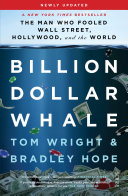
Billion Dollar Whale: The Man Who Fooled Wall Street, Hollywood, and the World
Tom Wright, Bradley Hope · 2018
4.0 · 1 ratingThis investigative account reveals how Jho Low, a charismatic social climber with no official title, helped turn Malaysia’s 1MDB investment fund into the center of an unprecedented global fraud. Drawing on extensive reporting, it follows the money through elite banks, political circles, luxury real estate, Hollywood productions, and extravagant international parties—while examining how powerful institutions repeatedly failed to act. More than a portrait of one audacious con artist, the book is a gripping exploration of greed, corruption, celebrity culture, and the vulnerabilities of the global financial system.
- 19
Debt
David Graeber · 2011
4.0 · 1 ratingA sweeping history of debt, money, and human obligation, this book challenges the conventional story that barter came before currency and credit. Drawing on anthropology, economics, history, and philosophy, it traces how systems of debt have shaped relationships, institutions, empires, and ideas of morality across thousands of years. It examines the uneasy connections between financial exchange and power, asking who gets to define what is owed—and what happens when debts become impossible or unjust to repay. Provocative and richly researched, the work offers a fresh framework for understanding both ancient economies and the financial crises of the modern world.
- 20
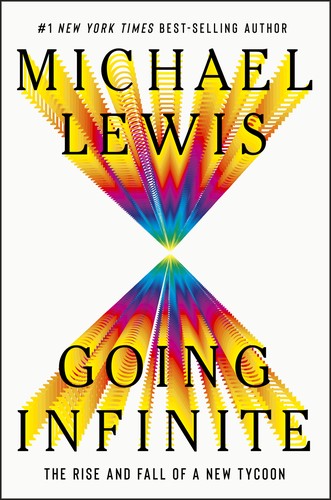
Going Infinite: The Rise and Fall of a New Tycoon
Michael Lewis · 2023
4.0 · 1 ratingMichael Lewis offers an intimate, fast-moving portrait of Sam Bankman-Fried, tracing his rise from an unconventional young mathematician and trader to the celebrated founder of cryptocurrency exchange FTX. The book follows the ambitions, beliefs, and eccentric habits that shaped his businesses—and the volatile world of digital finance that elevated him to extraordinary wealth and influence. As success gives way to crisis, the narrative examines the fragile foundations beneath the empire, while exploring themes of risk, altruism, ambition, power, and the psychology of financial speculation. Drawing on close access and Lewis’s sharply observant storytelling, it is both a character study and a revealing account of one of the most dramatic collapses in modern business.
- 21
Money
Jacob Goldstein · 2020
5.0 · 1 ratingThis lively history explores how money evolved from ancient forms of exchange into the complex financial systems that shape modern life. Drawing on fascinating stories of merchants, banks, governments, innovators, and economic upheavals, it reveals that money is less a fixed object than a shared belief and social technology. Along the way, the book examines trust, power, inequality, innovation, and the recurring crises sparked by attempts to create and control wealth. Clear, accessible, and richly researched, it offers an illuminating new perspective on one of humanity’s most influential inventions.
- 22
Poor Charlie's Almanack: The Wit and Wisdom of Charles T. Munger
Charles T. Munger · 2005
A wide-ranging collection of speeches, essays, and reflections from legendary investor Charles T. Munger, this volume presents his distinctive approach to business, investing, decision-making, and human behavior. Drawing on psychology, economics, history, and science, Munger explains how broad knowledge and a disciplined set of mental models can lead to clearer thinking and better judgment. His candid wit and practical wisdom offer enduring lessons on avoiding common errors, assessing opportunity, cultivating patience, and building a life of integrity and lasting value. Both an introduction to Munger’s philosophy and a guide to rational decision-making, the book rewards readers who want to think more independently in business and beyond.
- 23
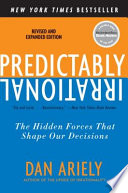
Predictably Irrational: The Hidden Forces That Shape Our Decisions
Dan Ariely · 2008
3.0 · 1 ratingDive into the fascinating world of human decision-making with this exploration of the hidden forces that shape our choices. The author challenges the notion of our rationality, revealing how systematic and predictable patterns influence everything from our spending habits to our health decisions. Through engaging examples and insightful research, discover why we often make seemingly illogical choices and how understanding these predictable irrationalities can lead to better outcomes in our personal and professional lives.
- 24
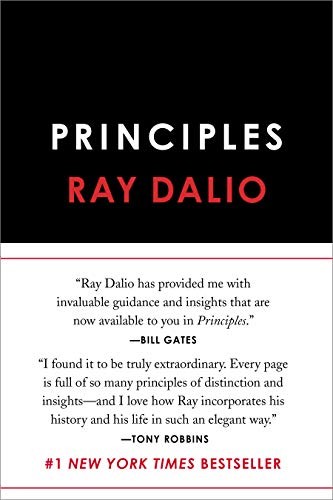
Principles: Life and Work
Ray Dalio · 2017
4.0 · 1 ratingRay Dalio distills decades of experience building a global investment firm into a practical philosophy for making better decisions, navigating challenges, and pursuing meaningful goals. Drawing on lessons from both personal setbacks and professional successes, he presents principles for embracing reality, learning from mistakes, fostering thoughtful disagreement, and creating effective systems for work and life. Combining candid reflection with actionable guidance, the book explores how radical transparency, disciplined thinking, and meaningful relationships can help individuals and organizations improve. It offers a distinctive framework for turning experience into repeatable results and building a more purposeful, productive life.
- 25

Superintelligence: Paths, Dangers, Strategies
Nick Bostrom · 2014
4.0 · 1 ratingThis influential examination of artificial intelligence explores what might happen if machine intelligence surpasses human reasoning and becomes capable of transforming the world on an unprecedented scale. It considers possible routes to superintelligence—including whole-brain emulation, enhanced collective intelligence, and advanced AI—while assessing the strategic, economic, and ethical challenges each path presents. Through concepts such as intelligence explosions, instrumental convergence, AI containment, and the control problem, the book asks how humanity might preserve its values and influence in a future shaped by machines. Rigorous yet accessible, it is a landmark work on the opportunities, dangers, and long-term stakes of creating minds more powerful than our own.
- 26
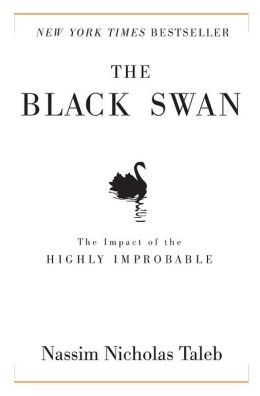
The Black Swan: The Impact of the Highly Improbable
Nassim Nicholas Taleb · 2007
3.0 · 1 ratingThis groundbreaking work explores the profound impact of rare, unpredictable, and high-consequence events—dubbed 'Black Swans'—on history, science, finance, and technology. Nassim Nicholas Taleb argues that these outliers, often dismissed or ignored due to their improbability, are in fact the true drivers of significant change and progress. The book challenges conventional wisdom and statistical models, urging readers to acknowledge the limits of our knowledge and prepare for the unexpected. Taleb's incisive prose and thought-provoking analysis offer a powerful new framework for understanding the world and navigating its inherent uncertainties.
- 27
The Four
Scott Galloway · 2017
4.0 · 1 ratingAn incisive examination of Amazon, Apple, Facebook, and Google—the four companies that have transformed modern business, culture, and everyday life. The book explores how these technology giants built extraordinary power through innovation, branding, data, and relentless ambition, while considering the social and economic costs of their dominance. Blending sharp analysis with provocative observations, it offers a revealing look at the strategies behind their success and the forces shaping the future of commerce, media, and society.
- 28
The Fourth Transformation
Robert Scoble, Shel Israel · 2016
5.0 · 1 ratingDrawing on extensive research and hundreds of interviews, this forward-looking guide explores how virtual reality, augmented reality, haptic feedback, and emerging interfaces could reshape the way people work, learn, communicate, shop, and experience the world. It examines the transition beyond smartphones toward immersive technologies that blend digital information with physical reality, while considering their applications in fields ranging from medicine and education to commerce and entertainment. With an accessible, business-minded perspective, the authors map the opportunities and challenges of this next digital revolution and consider how a new generation of users will accelerate its adoption.
- 29
The Goal: A Process of Ongoing Improvement
Eliyahu M. Goldratt · 1984
4.0 · 1 ratingIn this groundbreaking novel, a desperate plant manager races against time to save his failing factory and salvage his personal life. Facing imminent closure and hundreds of potential layoffs, he must break free from conventional thinking to discover the path to survival. Through a chance encounter with a former mentor, he learns to identify and overcome the critical bottlenecks that are crippling his operations. This compelling narrative not only offers a gripping story but also serves as a powerful introduction to the revolutionary Theory of Constraints, transforming management practices worldwide.
- 30

The Innovator's Dilemma
Clayton M. Christensen · 1997
5.0 · 1 ratingClayton M. Christensen's seminal work, The Innovator's Dilemma, explores the paradox of why market-leading companies often fail when faced with disruptive innovations. The book reveals how established firms, by diligently serving their most profitable customers, can paradoxically become vulnerable to new entrants offering simpler, cheaper, or more convenient alternatives. Christensen introduces the concept of disruptive technologies, explaining how these innovations, initially overlooked by incumbents, can rapidly mature to capture mainstream markets. This essential read provides a powerful framework for understanding and navigating the forces of technological change, offering strategies for companies to not only survive but thrive amidst disruption.
- 31
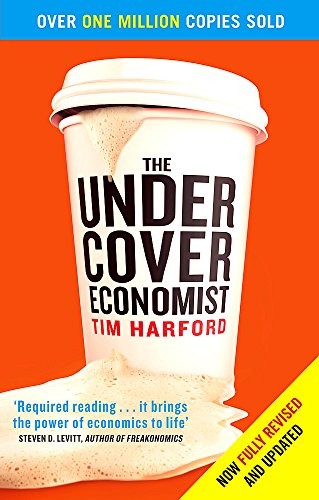
The Undercover Economist
Tim Harford · 2005
2.0 · 1 ratingDiscover the hidden economic forces that shape your everyday life in this engaging exploration of how the world really works. Tim Harford reveals why the rich stay rich, why the poor struggle to escape poverty, and why buying a used car is such a risky proposition—all through witty real-life examples and surprising anecdotes. By uncovering the economic principles lurking beneath ordinary situations, from coffee shops to car dealerships, Harford demonstrates that economics isn't just about money and markets, but about understanding human behavior and decision-making. This eye-opening book transforms abstract economic theory into accessible, entertaining insights that will change how you see the world around you.
- 32
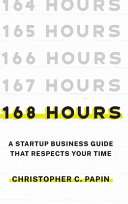
168 Hours: A Startup Business Guide That Respects Your Time: A Smarter Way to Start, Structure, and Scale a Small Business
Christopher Papin · 2026
Starting a business does not have to mean sacrificing every hour, chasing endless tasks, or navigating uncertainty alone. This practical guide offers first-time entrepreneurs, solopreneurs, and small-business owners a clear, stage-by-stage framework for launching, structuring, and scaling a venture with greater focus and less overwhelm. Emphasizing intentional planning, sustainable growth, and decisions that fit real-life priorities, it helps readers direct their limited time and energy toward the work that matters most. The result is a smarter, more confident approach to building a business that supports—not consumes—the life they want.
- 33
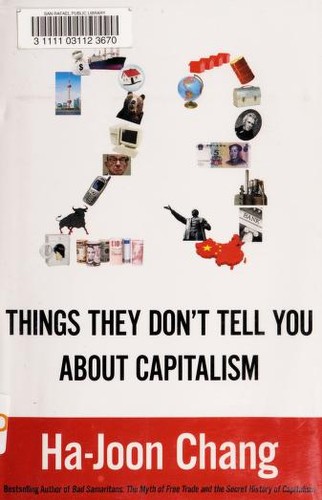
23 Things They Don't Tell You About Capitalism
Ha-Joon Chang · 2010
4.0 · 1 ratingIn this insightful exploration, Ha-Joon Chang dismantles the myths surrounding free-market capitalism, revealing the often-hidden realities of global economic dynamics. Through compelling examples and rigorous analysis, the book challenges conventional wisdom on topics ranging from free trade and regulation to the true drivers of economic growth. Chang argues that the "free market" is a carefully constructed system, not a natural phenomenon, and that government intervention and protectionist policies have historically been crucial for the prosperity of developed nations. Ultimately, the book offers a thought-provoking perspective on how capitalism can be reshaped to serve more humane and equitable ends.
- 34

5 Acres & A Dream The Book: The Challenges of Establishing a Self-Sufficient Homestead
Leigh Tate · 2012
What begins as a dream of self-sufficient living quickly becomes a hands-on education in the realities of creating a homestead from the ground up. This candid, practical account explores the challenges of developing five acres, including building infrastructure, raising food, managing resources, and adapting to unexpected setbacks. Along the way, it offers hard-won insights into sustainability, self-reliance, persistence, and the balance between independence and the demands of everyday life. Both an honest homesteading memoir and a useful guide for aspiring land stewards, the book encourages readers to pursue a simpler, more capable way of living with clear eyes and determination.
- 35
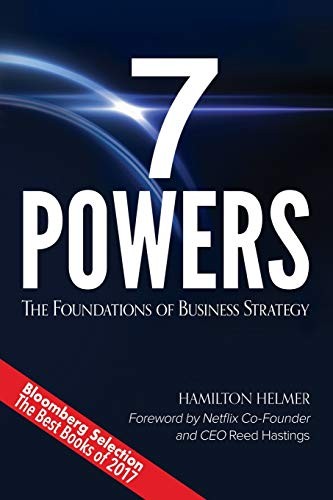
7 Powers: The Foundations of Business Strategy
Hamilton Helmer · 2016
4.0 · 1 ratingThis incisive guide presents a practical framework for understanding why some businesses achieve lasting success while others struggle to sustain their advantage. It identifies seven fundamental sources of strategic power—ranging from economies of scale and network effects to branding, switching costs, and proprietary resources—and explains how they shape competitive dynamics. Drawing on clear principles and real-world business examples, the book shows leaders and entrepreneurs how to recognize, build, and evaluate enduring advantages. The result is a rigorous yet accessible approach to business strategy focused on long-term value creation rather than short-lived tactics.
- 36

A Better India: A Better World
N. R. Narayana Murthy · 2009
This thoughtful collection of essays and speeches explores how India can unlock its vast potential through ethical leadership, quality education, strong institutions, and inclusive economic growth. Drawing on decades of experience in business and public life, the author examines the challenges facing a rapidly changing nation—from corruption and inadequate infrastructure to social inequality and global competition. The book presents a persuasive vision of progress rooted in transparency, innovation, civic responsibility, and opportunity for all. Clear-eyed yet hopeful, it offers both a diagnosis of India’s shortcomings and a practical call to action for building a stronger country and a better world.
- 37
Accidental Empires
Robert X. Cringely · 1992
4.0 · 1 ratingA lively, behind-the-scenes history of Silicon Valley and the personal-computer revolution, this book traces how visionaries, entrepreneurs, engineers, and opportunists transformed obscure technologies into a global industry. It explores the rivalries, inventions, business gambles, and personalities that shaped the rise of companies such as Apple, IBM, and Microsoft, while revealing the chaotic culture of innovation behind their success. Witty, irreverent, and rich with industry insight, it offers both a portrait of technological change and a candid examination of ambition, competition, and the accidental nature of empire-building.
- 38
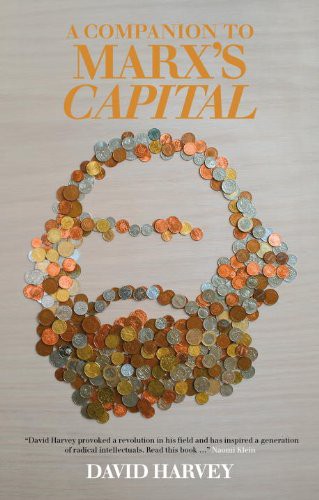
A Companion to Marx's Capital, Volume 1
David Harvey · 2010
This accessible guide offers a lucid, chapter-by-chapter exploration of the arguments, concepts, and methods developed in Marx’s *Capital*, Volume 1. It clarifies challenging ideas—including commodities, surplus value, labor, technology, and the dynamics of capitalist production—while showing how they fit into Marx’s broader critique of political economy. Drawing on a close reading of the original text, the book connects nineteenth-century analysis to contemporary questions about markets, work, inequality, and economic power. Scholarly yet engaging, it is an ideal companion for newcomers and a valuable resource for readers seeking a deeper understanding of Marx’s enduring significance.
- 39

A Grand Complication: The Race to Build the World's Most Legendary Watch
Stacy Perman · 2013
4.0 · 1 ratingAgainst the backdrop of the Great Depression, a rivalry between two extraordinarily wealthy collectors drives the creation of one of the most complicated and celebrated watches ever made. The story follows the ambitious commission, the master craftsmen who devote years to realizing it, and the precision, ingenuity, and persistence required to push mechanical watchmaking to its limits. Blending industrial history, biography, luxury, and technology, the book explores how competition and prestige can inspire remarkable feats of human craftsmanship. It offers a richly detailed portrait of horology’s golden age and the enduring allure of the perfect timepiece.
- 40
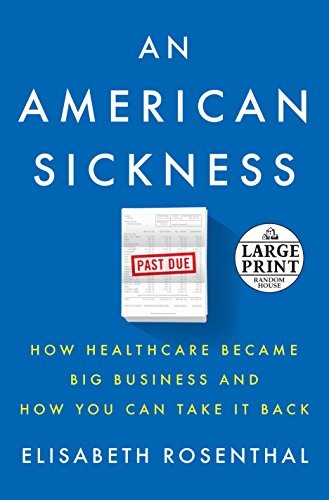
An American Sickness: How Healthcare Became Big Business and How You Can Take It Back
Elisabeth Rosenthal · 2017
In this incisive investigation, a physician and award-winning journalist exposes how American healthcare evolved from a system centered on treatment into a sprawling, profit-driven industry. Examining hospitals, insurers, pharmaceutical companies, physicians, and the financial incentives connecting them, the book reveals why care is often opaque, unnecessarily costly, and inaccessible—even when effective solutions exist. Alongside its history and analysis, it offers practical guidance for patients navigating medical bills, confusing terminology, treatment decisions, and the complex doctor-patient relationship. Ultimately, it is both a diagnosis of a national crisis and a call for informed patients and systemic reform.
- 41
An Introduction to Statistical Learning: with Applications in R (Springer Texts in Statistics)
Gareth James · 2013
This accessible textbook introduces the core ideas and techniques of statistical learning, showing how data can be used to understand relationships, make predictions, and support decision-making across fields such as biology, finance, marketing, and astrophysics. It covers essential methods including linear regression, classification, resampling, regularization, tree-based models, support vector machines, and clustering, using clear explanations, visualizations, and practical examples. Each chapter includes hands-on guidance for applying the methods in R, making the book useful to students, researchers, and practitioners with a basic background in regression. Designed as a welcoming alternative to more mathematically advanced treatments, it connects statistical theory with real-world data analysis.
- 42
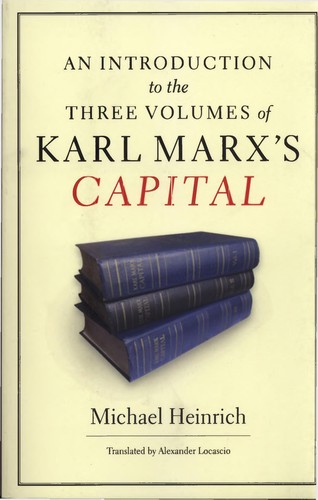
An Introduction to the Three Volumes of Karl Marx’s Capital
Heinrich, Michael · 2012
5.0 · 1 ratingThis accessible yet rigorous guide offers a comprehensive introduction to the arguments, concepts, and structure of Karl Marx’s three volumes of *Capital*. Michael Heinrich explains Marx’s analysis of commodities, value, money, capital, surplus value, accumulation, crisis, and the circulation of capital, while clarifying how the volumes fit together. Situating the work in its historical and intellectual context, he addresses common misunderstandings and highlights the continuing relevance of Marx’s critique of political economy. Ideal for newcomers and valuable to experienced readers, the book provides a clear framework for engaging with one of the most influential works in modern social thought.
- 43
Antifragile: Things That Gain from Disorder
Nassim Nicholas Taleb · 2012
Nassim Nicholas Taleb introduces the concept of the antifragile, a class of things that not only benefit from disorder but require it to survive and flourish. Drawing parallels from biology and human systems, he argues that true strength lies not in resisting chaos, but in gaining from it. This groundbreaking work challenges conventional notions of risk and resilience, proposing that we should actively seek out and build systems that thrive on volatility and uncertainty. Taleb's signature blend of rigorous analysis, historical anecdotes, and provocative insights offers a revolutionary framework for navigating an unpredictable world.
- 44
Before You Start Up: How to Prepare to Make Your Startup Dream a Reality
Pankaj Goyal · 2017
3.0 · 1 ratingThis practical guide helps aspiring entrepreneurs turn a startup idea into a well-prepared, actionable business venture. It explores the essential groundwork behind launching a company, including validating an idea, understanding the market, shaping a business model, assessing resources, and preparing for the challenges of execution. Emphasizing thoughtful planning, informed decision-making, and entrepreneurial readiness, the book is designed to help readers avoid common early mistakes and build a stronger foundation for success. Its accessible, pragmatic approach makes it a useful starting point for anyone considering the leap into entrepreneurship.
- 45
Big Data in Practice
Bernard Marr · 2016
3.0 · 1 ratingThis practical guide explores how organizations across industries use big data, analytics, and artificial intelligence to improve decisions, create value, and gain a competitive edge. Drawing on real-world case studies, it shows how leading companies turn vast amounts of information into actionable insights in areas such as customer experience, operations, marketing, healthcare, and finance. Accessible and business-focused, the book addresses both the opportunities and challenges of data-driven transformation, including strategy, technology, culture, and responsible use of information.
- 46
Bit Tyrants: The Political Economy of Silicon Valley
Rob Larson · 2020
In this sharp, irreverent examination of Silicon Valley, the author challenges the self-made mythology surrounding Apple, Google, Microsoft, Facebook, and Amazon. Tracing the companies’ rise from ambitious startups to near-monopolies, the book explores the labor practices, market dynamics, political influence, and public-relations narratives that helped shape Big Tech’s extraordinary power. With incisive criticism and dark wit, it reveals how digital platforms have transformed work, commerce, communication, and democracy while concentrating wealth and control. The result is both a provocative critique of contemporary capitalism and a call to imagine more democratic alternatives for the digital age.
- 47

Black Farmers in America (Earthscan Food and Agriculture)
Mya O. Price · 2026
This timely study traces the history and continuing evolution of Black farming in the United States, from slavery and Reconstruction to today’s land, food, and economic justice movements. Examining how discriminatory policies, land loss, and structural racism have shaped agricultural inequality, it also highlights the resilience and innovation of Black farmers across the Appalachian region, the Mississippi Delta, the South, Detroit, and Washington, D.C. Through historical research, policy analysis, data, and firsthand narratives, the book explores community-supported agriculture, cooperative ownership, urban farming, and reparative land initiatives as pathways toward food sovereignty and empowerment. Both an incisive account of persistent inequities and a practical vision for change, it offers strategies for building more inclusive, sustainable, and community-rooted food systems.
- 48

Black, White, and Green: Farmers Markets, Race, and the Green Economy (Geographies of Justice and Social Transformation)
Alison Hope Alkon · 2012
Through an ethnographic study of farmers markets in North Berkeley and West Oakland, this book examines how local, organic food becomes connected to ideas about environmental protection, community building, and economic change. It explores how race and class shape the experiences and meanings attached to the green economy, from the perspectives of market managers and vendors to those of consumers. Bringing food politics into conversation with environmental justice, the book considers both the promise and the limitations of consumer-driven approaches to social transformation. Its nuanced analysis challenges assumptions about who benefits from sustainable food systems and whose visions of change remain marginalized.