Popular Ancient History Books
The ancient history books Readstead readers shelve most, out of 137 in the catalog.
- 1
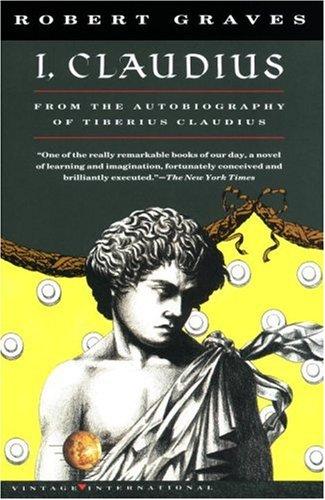
I, Claudius
Robert Graves · 1934
3.0 · 1 ratingRobert Graves's masterful historical novel, "I, Claudius," unfolds as the autobiography of the Roman Emperor Claudius, offering a unique and intimate perspective on the treacherous world of imperial Rome. From his humble beginnings, Claudius navigates a treacherous landscape of political intrigue, ambition, and betrayal, meticulously detailing the machinations of those who sought power. The narrative is dominated by the calculating influence of Livia, Augustus's wife, whose schemes cast a long shadow over the lives and deaths of those around her. Through Claudius's eyes, readers witness the rise and fall of emperors, the constant threat of assassination, and the desperate struggle for survival within the heart of the Roman Empire.
- 2
Mythos
Stephen Fry · 2017
4.0 · 1 ratingAncient Greece’s gods, Titans, heroes, monsters, and mortals return in a vivid retelling of the myths that have shaped Western storytelling for centuries. From cosmic struggles and divine rivalries to tragic loves, acts of vengeance, and hard-won lessons, these timeless tales reveal the extraordinary passions and flaws behind the legends. Written with wit, warmth, and modern accessibility, the book makes even the most familiar figures feel surprising, human, and irresistibly alive.
- 3
Ghost on the Throne: The Death of Alexander the Great and the War for Crown and Empire
James Romm · 2011
4.0 · 1 ratingIn the aftermath of Alexander the Great’s sudden death, his vast empire is left without a clear successor and vulnerable to the ambitions of his generals. As rival commanders maneuver around a vulnerable royal family, alliances shift, battles erupt, and the dream of a unified empire gives way to a brutal struggle for power. Focusing on figures such as the resourceful Eumenes, this compelling historical narrative explores the political intrigue, military conflict, and personal rivalries that shaped the Hellenistic world. James S. Romm brings clarity and dramatic force to a turbulent chapter of antiquity, revealing how Alexander’s legacy became both a source of authority and a catalyst for war.
- 4
Assyria
Eckart Frahm · 2023
5.0 · 1 ratingThis sweeping history traces the rise of Assyria from a regional power to one of the ancient Near East’s most formidable empires, exploring its rulers, military innovations, administration, and far-reaching influence. Drawing on cuneiform texts, archaeological evidence, and the latest scholarship, it brings to life the society, religion, art, and intellectual world that sustained Assyrian power. Alongside its celebrated achievements, the book examines the violence, political tensions, and cultural encounters that shaped the empire’s expansion and eventual transformation. Clear, richly informed, and engagingly written, it offers a nuanced portrait of Assyria and its enduring legacy in the history of the ancient world.
- 5
Babylon
Paul Kriwaczek · 2010
4.0 · 1 ratingA vivid history of Babylon, the ancient city whose achievements helped shape civilization, law, literature, science, and urban life. Drawing on archaeology, ancient texts, and modern scholarship, the book traces Babylon’s rise to power, its cultural brilliance, and its enduring influence across the Near East. It brings to life the rulers, myths, religious traditions, and everyday world of Mesopotamia while exploring how empires are built, sustained, and remembered. Accessible and richly detailed, this is an illuminating portrait of one of the ancient world’s most powerful and mysterious centers.
- 6
Buried
Alice M. Roberts · 2022
4.0 · 1 ratingDrawing on archaeology, anthropology, and the stories preserved in ancient graves, this compelling work explores what burial practices reveal about life in Britain during the first millennium. It examines changing beliefs, identities, communities, and patterns of migration through the evidence left behind by the dead, challenging familiar accounts of Britain’s early medieval past. Thoughtful and richly researched, the book shows how bones, objects, and burial rituals can illuminate both individual lives and sweeping cultural change. It offers an engaging alternative history grounded in the science and interpretation of the archaeological record.
- 7
Cicero
Anthony Everitt · 2001
This compelling biography traces the life of Marcus Tullius Cicero, the brilliant orator, statesman, philosopher, and writer who rose from provincial origins to the center of Rome’s political world. Set against the violent upheavals of the late Roman Republic, it explores Cicero’s struggle to defend republican government amid rivalry, ambition, and civil conflict. The narrative illuminates both his public triumphs and private doubts, revealing a complex figure whose ideals were tested by the demands of power. Vivid and accessible, the book also considers Cicero’s enduring influence on political thought, rhetoric, and Western intellectual tradition.
- 8
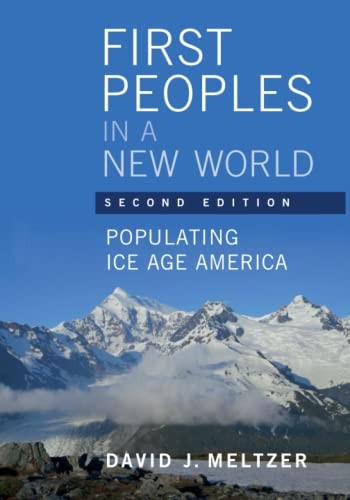
First Peoples in a New World
David J. Meltzer · 2009
This compelling work explores how the first peoples reached and settled the Americas during the last Ice Age, reconstructing their journeys from archaeological, genetic, geological, and environmental evidence. It examines the challenges these early migrants faced as they adapted to unfamiliar landscapes, changing climates, and diverse ecosystems across two continents. With careful attention to competing theories and the limits of the evidence, the book illuminates the complexity, resilience, and ingenuity of the earliest American communities. Scholarly yet accessible, it offers a vivid account of one of human history’s most consequential migrations.
- 9
How to Think Like a Roman Emperor
Donald Robertson · 2019
4.0 · 1 ratingBlending the life and philosophy of Marcus Aurelius with modern psychological insight, this practical guide introduces Stoic principles for navigating stress, uncertainty, adversity, and everyday decision-making. It explores how self-awareness, disciplined judgment, and thoughtful responses can help readers develop greater resilience and emotional balance. Drawing connections between ancient Roman wisdom and cognitive behavioral therapy, the book offers accessible exercises and strategies for transforming unhelpful patterns of thought. Engaging and informative, it presents Stoicism not as detached resignation, but as an active approach to living with clarity, courage, and purpose.
- 10
Julian
Philip Freeman · 2023
Philip Freeman masterfully brings to life the complex and compelling figure of Julian, the Roman emperor who dared to challenge Christianity and revive the ancient pagan gods. This biography delves into Julian's early life, his military campaigns, and his philosophical pursuits, painting a vivid portrait of a man caught between two worlds. Freeman explores Julian's intellectual brilliance, his deep commitment to Hellenism, and the political machinations that ultimately led to his downfall. "Julian" offers a nuanced look at a pivotal moment in history, examining the clash of cultures and ideologies that shaped the late Roman Empire and continues to resonate today.
- 11
Kindred
Rebecca Wragg Sykes · 2020
5.0 · 1 ratingDrawing on decades of archaeological discoveries and cutting-edge scientific research, this book offers an intimate portrait of Neanderthal life across Europe and western Asia. It explores how these resourceful people lived, adapted, cared for one another, created tools and art, and responded to a changing world. By examining fossils, artifacts, landscapes, and traces of behavior, the narrative challenges outdated stereotypes and reveals Neanderthals as complex, capable, and deeply human. Vividly written and rigorously researched, it brings prehistory to life while prompting readers to reconsider what it means to be human.
- 12
Papyrus
Irene Vallejo · 2019
5.0 · 1 ratingTracing the evolution of the written word from oral traditions and fragile papyrus scrolls to the codex, this sweeping cultural history reveals how books and libraries helped shape Western civilization. Moving through the intellectual worlds of ancient Greece and Rome, it introduces poets, scholars, librarians, rulers, teachers, and rebels whose lives illuminate enduring questions about education, censorship, authority, and identity. With lively storytelling, literary insight, and personal reflection, the narrative connects the struggles and triumphs of the ancient book world to the libraries and conflicts of our own time. The result is both an engrossing history of reading and a passionate tribute to language, memory, and the human urge to preserve ideas.
- 13
Persian Fire: The First World Empire and the Battle for the West
Tom Holland · 2005
5.0 · 1 ratingTom Holland’s sweeping history recounts the rise of the Persian Empire and its dramatic invasion of Greece in the fifth century B.C.E. From the empire’s rapid expansion across the ancient Near East to the defiant Greek resistance at Thermopylae, Salamis, and Plataea, the narrative explores a conflict whose consequences reached far beyond the battlefield. Blending rigorous scholarship with vivid, novelistic storytelling, the book examines power, freedom, cultural identity, and the fragile foundations of what would later be called the West. It offers an illuminating portrait of two civilizations confronting one another at a pivotal moment in world history.
- 14
Pharaohs of the Sun
Guy de la Bédoyère · 2022
This vivid history explores one of ancient Egypt’s most dramatic and controversial eras: the reign of Akhenaten, the power of Nefertiti, and the turbulent succession that culminated in Tutankhamun. Drawing on archaeology, inscriptions, art, and historical evidence, it examines the religious revolution centered on the sun disk Aten, the creation of the royal city of Amarna, and the sweeping changes that reshaped Egyptian society and culture. It also considers how this extraordinary experiment was challenged and ultimately remembered, offering an accessible and richly contextual portrait of ambition, belief, power, and legacy in the ancient world.
- 15
The First Ghosts
Irving Finkel · 2021
5.0 · 1 ratingDrawing on the world’s earliest written records, this fascinating study traces humanity’s enduring belief in ghosts back to ancient Mesopotamia. Through translations of cuneiform tablets, it explores how people understood restless spirits, why the dead might return, and the rituals devised to protect the living or lay ghosts to rest. Blending vivid historical detail with sharp scholarly insight, the book reveals how concerns about memory, mourning, justice, and the afterlife shaped one of civilization’s first cultures. It offers an illuminating and often surprising portrait of the ancient past—and of fears that remain remarkably familiar.
- 16
The Scythian Empire
Christopher I. Beckwith · 2023
5.0 · 1 ratingThis sweeping history reexamines the Scythians not as scattered nomadic raiders, but as architects of a powerful empire whose influence stretched across the Eurasian steppes, Central Asia, Persia, and early China. Drawing on historical, linguistic, and cultural evidence, it traces the development of Scythian imperial traditions, royal lineages, political institutions, and capital cities across a vast interconnected world. The book also explores how Scythian ideas shaped the Persian Empire, the first Chinese empires, and the intellectual traditions of the classical age. Provocative and wide-ranging, it offers a new perspective on Central Eurasia as a dynamic center of innovation and state formation.
- 17
The Storm Before the Storm: The Beginning of the End of the Roman Republic
Mike Duncan · 2017
5.0 · 1 ratingSpanning 146–78 BC, this compelling history traces the turbulent decades when Rome’s spectacular expansion began to undermine the political system that had sustained the Republic for centuries. Economic inequality, struggles over citizenship and voting rights, corruption, and escalating political violence reshape Roman society as ambitious leaders and reformers challenge its traditional order. Through the careers of the Gracchi brothers, Marius, and Sulla, the narrative reveals how institutional strain and dangerous political precedents pushed Rome toward civil conflict. Written with vivid storytelling and historical clarity, the book offers both a dramatic account of Rome’s crisis and a thought-provoking examination of how powerful societies can be weakened by their own success.
- 18
1177 B.C.: The Year Civilization Collapsed
Eric H. Cline · 2014
4.0 · 1 ratingA gripping investigation into the dramatic collapse of the Late Bronze Age, when powerful kingdoms across the eastern Mediterranean and Near East unraveled within a few turbulent decades. Drawing on archaeology, ancient texts, and the latest historical research, the book reveals how invasions, rebellion, earthquakes, climate stress, and disrupted trade combined to bring down an interconnected world. It offers a vivid portrait of the era’s cosmopolitan societies while exploring the vulnerabilities created by their dependence on one another. Engaging and wide-ranging, this account transforms a mysterious “dark age” into a compelling study of systemic collapse and resilience.
- 19
A.D. 500: A JOURNEY THROUGH THE DARK ISLES OF BRITAIN AND IRELAND
SIMON YOUNG · 2006
Journey into the turbulent world of Britain and Ireland around A.D. 500, an age shaped by the collapse of Roman rule, shifting kingdoms, migration, faith, and legend. Blending historical research with vivid storytelling, this book explores the landscapes, communities, rulers, warriors, and cultural traditions of the so-called Dark Isles. It reveals a complex and creative society emerging from uncertainty, challenging simplistic notions of a “Dark Age” and bringing a pivotal moment in the formation of medieval Britain and Ireland to life.
- 20
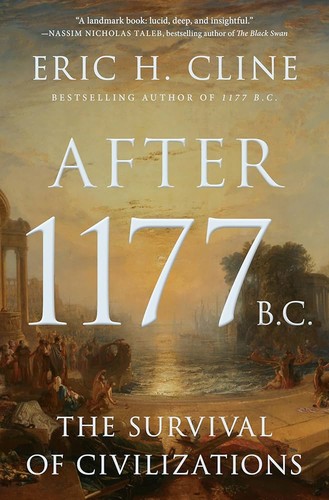
After 1177 B.C.: The Survival of Civilizations
Eric H. Cline · 2024
4.0 · 1 ratingIn the aftermath of the Bronze Age collapse, the interconnected civilizations of the Aegean and Eastern Mediterranean faced invasion, famine, upheaval, and the breakdown of trade. Over the next four centuries, some societies vanished while others adapted, transformed, and laid the foundations for a new world shaped by Phoenicians, Philistines, Israelites, Neo-Hittites, and Mesopotamian empires. Tracing the emergence of ironworking, the alphabet, and other innovations through the rise of Greece and the first Olympic Games, this compelling history explores resilience, cultural transformation, and the forces that determine which civilizations survive profound shocks. It offers both a vivid account of a turbulent era and striking insights into the challenges facing interconnected societies today.
- 21
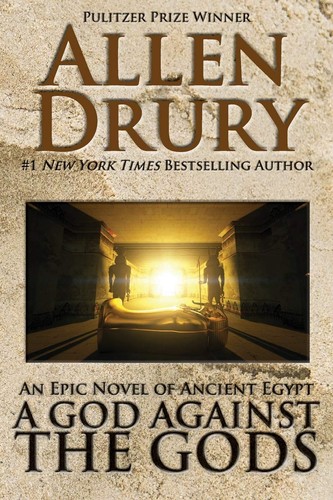
A God Against the Gods
Allen Drury · 1976
Set in ancient Egypt, this sweeping historical novel follows Pharaoh Akhenaten IV as he challenges centuries of tradition to establish a radical new faith centered on the sun god Aten. His religious revolution unsettles the powerful priesthood, the royal court, and the foundations of Egyptian society, drawing allies and enemies into a struggle over belief, authority, and the future of the kingdom. Rich in political intrigue and cultural detail, the novel explores the personal and public costs of transforming an ancient civilization.
- 22
Agrippa
Robert Harris · 2026
In a Rome fractured by ambition, violence, and political upheaval, Agrippa rises from an unlikely childhood marked by loss and stigma to become a formidable soldier and strategist. A chance act of courage binds him to the young Octavius, drawing him into the orbit of Caesar and setting him on a path toward power at the heart of the Roman world. As the Republic teeters after Caesar’s assassination, Agrippa must wield loyalty, military genius, and ruthless determination to help his friend claim an uncertain inheritance. Blending meticulous historical detail with the suspense and political intrigue of a modern thriller, this sweeping novel explores friendship, ambition, destiny, and the dangerous birth of dictatorship.
- 23
A History of England Volume 1 Foundation
Peter Ackroyd · 2011
Spanning England’s earliest origins through the close of the medieval age, this sweeping history traces the formation of a nation shaped by conquest, faith, monarchy, conflict, and cultural change. It brings to life prehistoric Britain, Roman rule, the Anglo-Saxon kingdoms, the Norman Conquest, and the turbulent centuries of Plantagenet power. Alongside major battles and rulers, the narrative explores the lives, beliefs, institutions, and traditions that helped define English identity. Richly researched and vividly told, it offers an accessible, authoritative foundation for understanding England’s long and complex past.
- 24
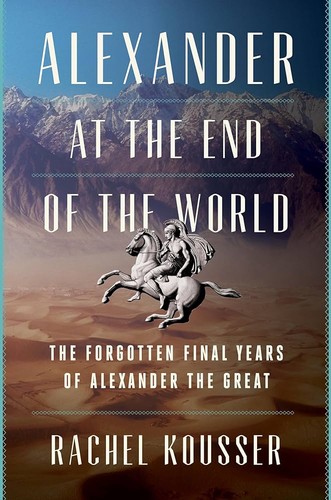
Alexander at the End of the World: The Forgotten Final Years of Alexander the Great – A Riveting Biography of Leadership, Ambition, and the Campaign That Forged History
Rachel Kousser · 2024
4.0 · 1 ratingThis compelling biography explores the final years of Alexander the Great, tracing his relentless campaign from the Persian heartland toward the distant reaches of Central and South Asia. It examines the challenges of ruling a vast, culturally diverse empire while sustaining the loyalty of soldiers, subjects, and rival elites. With a focus on leadership, ambition, conquest, and the human costs of empire, the book reassesses the decisions and tensions that shaped Alexander’s later career. Engaging and richly contextualized, it offers a fresh perspective on the campaign that transformed the ancient world and secured Alexander’s enduring place in history.
- 25
Alexander: Child of a Dream
Valerio Manfredi · 2001
The first volume in a sweeping historical-fiction trilogy, this novel traces Alexander’s early life as he grows from a brilliant, headstrong prince into the heir to Macedon. Amid the tense court of King Philip and the influence of his formidable mother, Olympias, Alexander is shaped by aristocratic rivalries, military training, and the teachings of Aristotle. As his ambition and vision begin to outstrip the limits of his kingdom, he must navigate family conflict, political intrigue, and the expectations placed upon a future conqueror. Rich in historical detail and dramatic momentum, the novel explores the making of a legendary leader before his greatest campaigns begin.
- 26
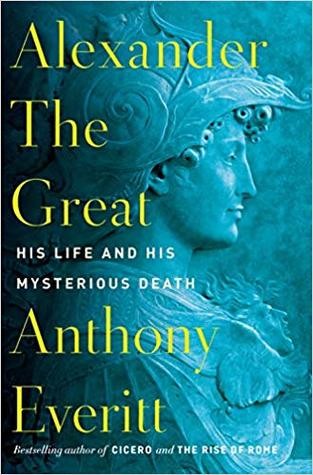
Alexander the Great: His Life and His Mysterious Death
Anthony Everitt · 2019
4.0 · 1 ratingAnthony Everitt presents a vivid, nuanced portrait of Alexander the Great, tracing his transformation from Macedonian prince to ruler of an empire stretching across Greece, Egypt, Persia, and India. Drawing on the world of ancient warfare, politics, science, art, and literature, the book explores Alexander’s intellectual curiosity and administrative ambition alongside his appetite for conquest and capacity for cruelty. Everitt places Alexander within the values of his own age rather than later legend, revealing the complexities behind his enduring fame. The narrative also examines the unresolved mystery of his death at thirty-three, asking what his final days may reveal about the man and the empire he built.
- 27
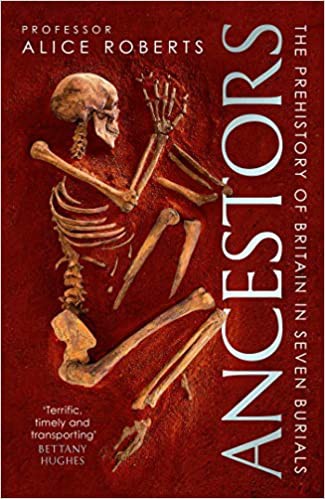
Ancestors: A History of Britain in Seven Burials
Alice M. Roberts · 2021
5.0 · 1 ratingUsing seven remarkable burials as windows into the past, this book traces the changing peoples, cultures, beliefs, and landscapes of Britain from prehistory to the early medieval period. Each grave reveals intimate details about how individuals lived, traveled, worshipped, and related to their communities, while also challenging assumptions about identity and ancestry. Blending archaeological evidence, scientific analysis, and vivid storytelling, the narrative explores migration, ritual, social inequality, and the complex origins of British history. The result is an illuminating portrait of a nation shaped by movement, encounter, and the lives of people long buried beneath its soil.
- 28
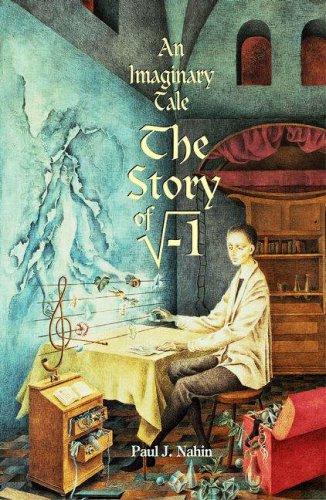
An Imaginary Tale
Paul Nahin · 1998
What began as an apparently impossible question—how to make sense of the square root of a negative number—became one of mathematics’ most powerful ideas. Tracing the development of the imaginary unit i from ancient mathematical puzzles through centuries of skepticism, debate, and discovery, this engaging history introduces the thinkers and problems that helped bring complex numbers into acceptance. Along the way, it shows how these elusive quantities illuminate subjects ranging from geometry and planetary motion to electrical engineering and theoretical physics. Blending mathematical explanation with lively historical storytelling, the book offers an accessible portrait of a concept that transformed both pure and applied mathematics.
- 29
A Portable Cosmos: Revealing the Antikythera Mechanism, Scientific Wonder of the Ancient World
Alexander Jones · 2017
2.0 · 1 ratingExplore the astonishing complexity of the Antikythera Mechanism, a breathtaking artifact from the ancient world that continues to captivate scientists and historians. This book delves into the device's intricate workings, revealing its sophisticated astronomical calculations and its profound significance as a testament to ancient Greek ingenuity. Through accessible explanations and a deep dive into its historical context, the author illuminates how this "scientific wonder" functioned as a portable cosmos, charting the movements of celestial bodies with remarkable precision. Discover the story of its discovery and the ongoing quest to fully understand its place in the history of science and technology.
- 30
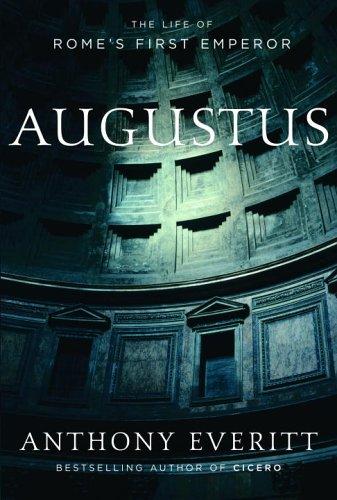
Augustus: The Life of Rome's First Emperor
Anthony Everitt · 2006
4.0 · 1 ratingThis vivid biography traces the rise of Augustus from the ambitious heir of Julius Caesar to Rome’s first emperor and architect of a new political order. Against the backdrop of civil war, shifting alliances, and Rome’s struggle between republican ideals and concentrated power, it brings figures such as Caesar, Brutus, Antony, and Cleopatra to life while focusing on the man behind the legend. The book explores Augustus’s political ingenuity, military achievements, calculated public image, and lasting transformation of Roman society and government. Accessible and richly contextualized, it offers an illuminating portrait of leadership, ambition, and the foundations of the Roman Empire.
- 31
Birth of Classical Europe
Simon Price, Peter Thonemann · 2011
3.5 · 1 ratingThis sweeping history traces the emergence of classical Europe from the Bronze Age through the late Roman world, following the intertwined development of Greek and Roman societies, institutions, religions, and cultures. It explores how Greeks and Romans continually reimagined their origins—and how those changing memories shaped ideas of identity, power, citizenship, and civilization. Alongside political history, the book examines the enduring legacies of classical antiquity in language, calendars, law, political systems, literature, and Christianity, culminating in the transformation of the classical past by Augustine. Engaging and wide-ranging, it offers an illuminating account of how the ancient Mediterranean continues to influence the modern world.
- 32
Brotherhood of Kings: How International Relations Shaped the Ancient Near East
Amanda H. Podany · 2010
Drawing on diplomatic letters, royal archives, and archaeological evidence, this engaging history explores the interconnected world of the ancient Near East during the Late Bronze Age. Egypt, Babylonia, Assyria, Mitanni, and the Hittite Empire emerge not as isolated powers but as members of a complex international system shaped by treaties, marriage alliances, trade, rivalry, and war. The book reveals how kings communicated, negotiated, exchanged gifts, and managed shifting balances of power across centuries of political change. Accessible and richly detailed, it offers a compelling portrait of diplomacy and statecraft long before the modern nation-state.
- 33
Caesar
Colleen McCullough · 1997
This sweeping historical novel plunges into the tumultuous final decades of the Roman Republic, chronicling the meteoric rise of Gaius Julius Caesar. From his ambitious political maneuvering and military genius to his complex personal relationships, the narrative explores the forces that shaped one of history's most iconic figures. McCullough masterfully weaves a tale of power, ambition, and the relentless pursuit of glory, set against the backdrop of a collapsing world order. It's an intimate portrait of a man who dared to seize destiny, forever altering the course of Western civilization.
- 34
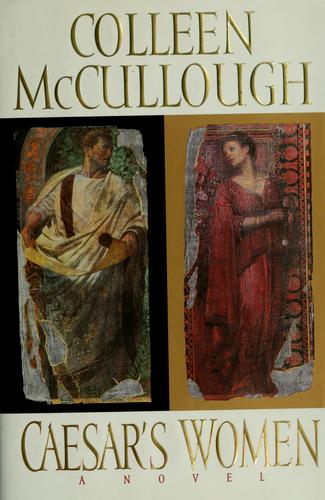
Caesar's Women
Colleen McCullough · 1996
Step into the tumultuous world of ancient Rome and witness the ascent of one of history's most formidable figures through the eyes of the women who shaped his destiny. This sweeping saga delves into the complex relationships and political machinations that defined Julius Caesar's life, from his ambitious rise through the ranks to his ultimate, tragic end. McCullough masterfully weaves a narrative rich with historical detail, exploring themes of power, love, loyalty, and the enduring influence of women in a patriarchal society. Prepare to be captivated by a vivid portrayal of a legendary era and the unforgettable individuals who navigated its treacherous currents.
- 35
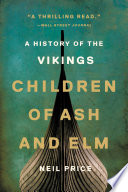
Children of Ash and Elm: A History of the Vikings
Neil Price · 2019
Neil Price masterfully reconstructs the world of the Vikings, moving beyond the familiar image of raiders to reveal a complex society shaped by trade, exploration, and intricate belief systems. This sweeping history delves into their daily lives, their voyages across vast oceans, and the profound impact they had on the cultures they encountered. Through meticulous research and vivid prose, Price illuminates the enduring legacy of these Norsemen, exploring themes of identity, belief, and the human drive for expansion.
- 36
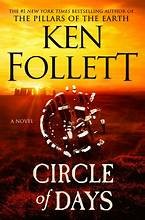
Circle of Days
Ken Follett · 2025
Set in prehistoric Britain, this sweeping historical novel follows a visionary young builder whose ambition is to create an extraordinary monument—one that will demand ingenuity, sacrifice, and the cooperation of rival communities. As love, power, faith, and betrayal shape the lives of those drawn into the project, the dream of raising a stone circle becomes a struggle that reaches far beyond architecture. Richly imagined and meticulously researched, the novel explores humanity’s enduring desire to leave a mark on the world and the forces that unite—and divide—us.
- 37
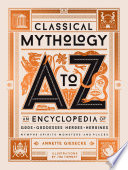
Classical Mythology A to Z: An Encyclopedia of Gods and Goddesses, Heroes and Heroines, Nymphs, Spirits, Monsters, and Places
Annette Giesecke · 2020
An accessible and richly illustrated guide to the enduring world of classical mythology, this encyclopedia explores the gods and goddesses, heroes and heroines, monsters, spirits, nymphs, and legendary places that shaped Greek and Roman imagination. Alphabetically arranged entries introduce familiar figures alongside lesser-known characters, revealing their stories, attributes, relationships, and cultural significance. Clear, engaging text and evocative artwork make the book a valuable reference for students, mythology enthusiasts, and anyone curious about the origins of stories that continue to influence literature, art, and popular culture.
- 38
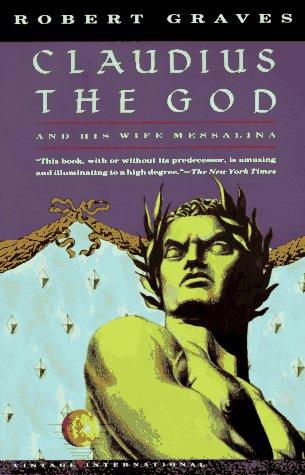
Claudius the God and His Wife Messalina
Robert Graves · 1934
Step into the tumultuous world of ancient Rome through the eyes of Emperor Claudius, a man thrust into power despite his perceived weaknesses and physical infirmities. This gripping narrative delves into the complexities of his reign, exploring the political intrigue, personal betrayals, and the ever-present threat of conspiracy that defined his time on the throne. As Claudius navigates the treacherous currents of imperial life, he must contend with the ambitions of those around him, including his formidable and scandalous wife, Messalina, whose influence casts a long shadow over his rule. The story masterfully weaves together historical fact and imaginative reconstruction, offering a vivid portrait of a flawed emperor and the decadent society he governed.
- 39
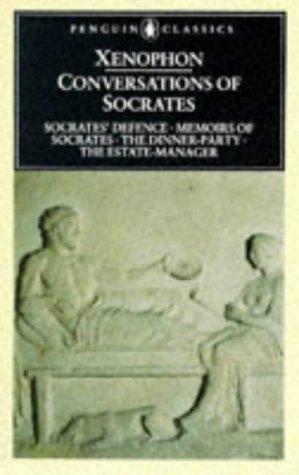
Conversations of Socrates
Xenophon · 1990
Through a series of vivid dialogues and recollections, this work presents Socrates as a practical philosopher engaged with the everyday concerns of friends, citizens, and students. Rather than emphasizing abstract speculation, it explores how reason, self-discipline, piety, justice, leadership, and moral character shape ordinary life. Alongside its portrait of Socratic thought, the book offers an illuminating window into Athenian society, revealing the religious beliefs, political tensions, social customs, and ethical ideals of ancient Greece. Clear-eyed and conversational in style, it remains an important firsthand-style account of one of philosophy’s most influential figures.
- 40
Creators, Conquerors, and Citizens: A History of Ancient Greece
Robin Waterfield · 2018
Spanning the emergence of the Greek world around 750 BCE to the Roman conquest of the final Greco-Macedonian kingdom in 30 BCE, this sweeping history traces the Archaic, Classical, and Hellenistic eras as a continuous, dynamic story. It explores the tension between a shared language, religion, and cultural identity and the rivalries, ambitions, and civil wars that repeatedly divided Greek communities. Alongside political and military events, the narrative examines the ideas, institutions, and social forces that shaped Greek civilization and its enduring influence. Drawing on current historical and archaeological scholarship, the book offers an accessible yet intellectually rigorous account of how a fragmented world of city-states ultimately gave way to broader political unification.
- 41
Crossing the Wine-dark Sea
Emily Wilson · 2026
A compelling voyage into the world of ancient epic, this book follows the enduring imagination of the wine-dark sea as a space of danger, discovery, exile, and return. Drawing on the Homeric tradition, it explores the human costs of travel and war alongside questions of identity, homecoming, hospitality, and belonging. With clarity, precision, and a vivid sensitivity to the power of language, it brings classical storytelling into conversation with the concerns of the modern world. The result is an inviting meditation on why stories of journeys across uncertain seas continue to shape our understanding of what it means to be human.
- 42
Daughters of Rome
Kate Quinn · 2011
In the tumultuous first century of the Roman Empire, four remarkable women navigate power, passion, and survival in the shadow of emperors and tyrants. Tied together by blood, ambition, and circumstance, these daughters of Rome—a disgraced senator's daughter, a gladiator's widow, a courtesan with dangerous secrets, and a senator's ambitious wife—must use their wits, beauty, and cunning to carve out their own destinies in a world that offers them few choices. As they move through the glittering halls of imperial Rome and the darker corners of political intrigue, their lives become intertwined in unexpected ways, forcing each to confront the true cost of power and loyalty. Kate Quinn masterfully weaves together their interconnected stories across decades, revealing how these women shaped history from behind the scenes. A sweeping historical epic that celebrates female resilience and agency in ancient Rome, this novel brings to vivid life the untold stories of women whose influence extended far beyond what history recorded.
- 43
Decoding the Heavens: A 2,000-Year-Old Computer and the Century-Long Search to Discover Its Secrets
Jo Marchant · 2008
3.0 · 1 ratingEmbark on a captivating journey through a century of scientific detective work in "Decoding the Heavens." This compelling narrative unveils the extraordinary story behind a 2,000-year-old artifact, a complex analog computer that baffled scholars for generations. Follow the passionate pursuits of rival archaeologists, astronomers, and engineers as they race against time and each other to unlock the profound secrets of this ancient marvel. Jo Marchant masterfully weaves together the history of science, the thrill of discovery, and the enduring human quest to understand our past and the cosmos.
- 44
Diarmait King of Leinster
Nicholas Furlong · 2006
4.0 · 1 ratingThis historical work explores the life and reign of Diarmait, a powerful medieval Irish king who ruled Leinster during a transformative period in Irish history. Through meticulous research and compelling narrative, the authors examine Diarmait's political ambitions, military campaigns, and the complex dynamics of power that shaped medieval Ireland. The book delves into the cultural and political landscape of 12th-century Leinster, revealing how this influential ruler navigated alliances, conflicts, and the arrival of Norman forces that would forever alter the Irish political landscape. With insights into both the personal and political dimensions of kingship, this biography offers readers a vivid portrait of a pivotal figure in Irish medieval history. The work combines scholarly rigor with accessible storytelling, making it essential reading for anyone interested in Irish history and the dramatic transformations of the medieval period.
- 45
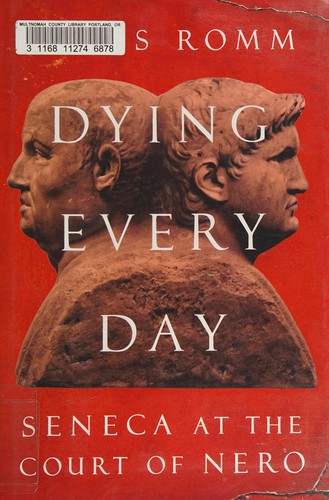
Dying Every Day: Seneca at the Court of Nero
James Romm · 2014
This gripping narrative plunges into the heart of ancient Rome, chronicling the perilous existence of the philosopher Seneca under the tyrannical rule of his former student, Emperor Nero. As Seneca navigates the treacherous currents of imperial politics, he grapples with profound moral dilemmas, witnessing firsthand the brutal excesses and violent machinations of Nero's court. The book masterfully reconstructs the volatile atmosphere of the era, exploring themes of power, corruption, and the struggle for integrity in the face of absolute despotism. It offers a vivid portrait of a brilliant mind caught in a deadly game of survival, where philosophical ideals clash with the harsh realities of imperial power.
- 46
Early Dynastic Egypt
Toby Wilkinson · 1999
This authoritative study explores the formative centuries of ancient Egyptian civilization, from the unification of Upper and Lower Egypt through the rise of the centralized state and the beginnings of monumental kingship. Drawing on archaeological evidence, inscriptions, art, and material culture, it reconstructs the rulers, institutions, religious beliefs, and social structures that shaped Egypt’s earliest dynasties. The book examines how political power, economic organization, warfare, and royal ideology transformed a newly unified land into one of the ancient world’s most enduring civilizations. Clear, comprehensive, and richly documented, it offers an essential portrait of Egypt at the dawn of its dynastic history.
- 47
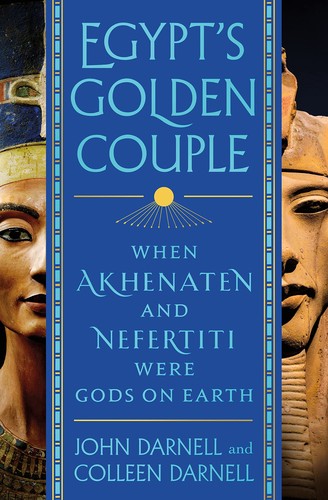
Egypt's Golden Couple: When Akhenaten and Nefertiti Were Gods on Earth
John and Colleen Darnell · 2022
This richly researched portrait explores the extraordinary reign of Akhenaten and Nefertiti, the royal couple who transformed ancient Egypt’s religion, art, and political landscape. Drawing on archaeological discoveries, inscriptions, and recent scholarship, it follows their creation of a new capital at Amarna and their devotion to the sun disk Aten. The book examines their public image as divine rulers, the sweeping changes they imposed on Egyptian society, and the enduring mysteries surrounding their lives and legacy. Accessible and vivid, it offers a compelling reassessment of one of antiquity’s most radical and enigmatic royal partnerships.
- 48
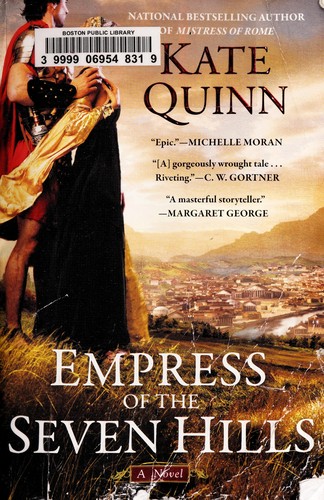
Empress of the Seven Hills
Kate Quinn · 2012
In the glittering and treacherous world of Imperial Rome, a young woman of humble origins rises to become one of history's most powerful and controversial figures. Empress of the Seven Hills follows the extraordinary life of Livia Drusilla, the brilliant and ruthless wife of Emperor Augustus, as she navigates the deadly politics of the imperial court, forges strategic alliances, and shapes the destiny of an empire through cunning, intelligence, and unwavering ambition. From her early years as a political pawn to her transformation into the most influential woman in Rome, Livia must balance her personal desires with her duty to secure her family's power and legacy. Kate Quinn masterfully weaves historical detail with compelling drama, bringing to life a woman whose intelligence and determination rivaled that of the emperors themselves. This sweeping historical novel explores themes of power, loyalty, and the price of ambition in an era where women were expected to be silent, yet Livia refused to be anything less than extraordinary.