Popular Military History Books
The military history books Readstead readers shelve most, out of 288 in the catalog.
- 1
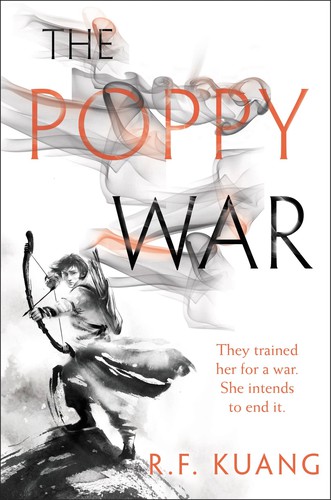
The Poppy War
R.F. Kuang · 2018
4.0 · 1 ratingIn a world teetering on the brink of war, a young orphan girl from the South seizes an opportunity for a better life, testing into the most elite military academy in Nikan. Driven by ambition and a desperate need to escape her past, she plunges into a brutal training regimen, uncovering a latent power that could either save her nation or destroy it. As the brutal realities of war loom, she must confront ancient magic, devastating betrayals, and the horrifying legacy of her people's past.
- 2

The Art of War
Sun Tzu · 2005
3.5 · 2 ratingsThis timeless treatise, penned by the legendary strategist Sun Tzu over two millennia ago, offers profound insights into the principles of warfare and conflict resolution. Rooted in ancient Chinese military thought, its teachings transcend the battlefield, providing invaluable lessons applicable to modern challenges in business, politics, and personal life. Discover the strategic wisdom that has guided leaders for centuries and learn how to navigate competition, achieve victory, and maintain harmony through calculated action and keen observation.
- 3
Empire of Silence
Christopher Ruocchio · 2018
4.3 · 2 ratingsIn a galaxy that remembers him as both hero and monster, Hadrian Marlowe's legend is forged in a war he never wanted. Fleeing a predetermined future, he finds himself on a distant world, thrust into the brutal life of a gladiator and the complex politics of an alien court. As he fights for survival, Hadrian becomes entangled in a conflict that will define his legacy, forcing him to confront the true cost of war and the nature of humanity itself. This epic tale explores themes of destiny, identity, and the devastating consequences of choices made under immense pressure.
- 4
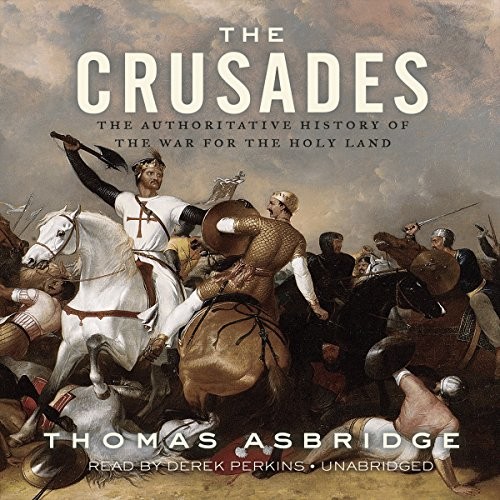
The Crusades
Thomas Asbridge · 2010
Thomas Asbridge's "The Crusades" offers a sweeping and authoritative narrative of one of history's most pivotal and controversial periods. This meticulously researched account delves into the complex motivations, brutal realities, and far-reaching consequences of the Christian military expeditions to the Holy Land. Asbridge masterfully navigates the clash of cultures and faiths, exploring the lives of kings, popes, and ordinary soldiers caught in the fervor of religious zeal and political ambition. The book provides a vivid and nuanced understanding of the Crusades, examining their impact on both the East and West and their enduring legacy in the modern world.
- 5
The Templars
Dan Jones · 2017
4.0 · 1 ratingFrom their origins in the aftermath of the First Crusade to their dramatic downfall, this sweeping history traces the rise and transformation of the Knights Templar. It explores how a small religious brotherhood became a powerful military, financial, and political force spanning Europe and the Holy Land. Blending battlefield history with vivid portraits of medieval faith, ambition, and intrigue, the book separates enduring legend from the documented realities of the Templars’ extraordinary legacy.
- 6
Ghost on the Throne: The Death of Alexander the Great and the War for Crown and Empire
James Romm · 2011
4.0 · 1 ratingIn the aftermath of Alexander the Great’s sudden death, his vast empire is left without a clear successor and vulnerable to the ambitions of his generals. As rival commanders maneuver around a vulnerable royal family, alliances shift, battles erupt, and the dream of a unified empire gives way to a brutal struggle for power. Focusing on figures such as the resourceful Eumenes, this compelling historical narrative explores the political intrigue, military conflict, and personal rivalries that shaped the Hellenistic world. James S. Romm brings clarity and dramatic force to a turbulent chapter of antiquity, revealing how Alexander’s legacy became both a source of authority and a catalyst for war.
- 7
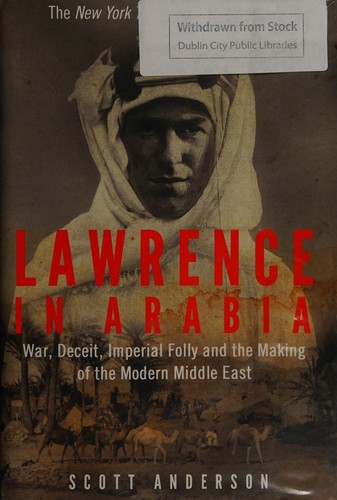
Lawrence in Arabia
Scott Anderson · 2013
This meticulously researched narrative plunges into the tumultuous landscape of the Middle East during World War I, centering on the enigmatic figure of T.E. Lawrence. It chronicles his extraordinary rise from archaeologist to military leader, guiding a diverse Arab army against the Ottoman Empire. The book offers a profound re-examination of the Arab Revolt and its pivotal role in shaping the modern Middle East, revealing the complex political machinations and personal dramas that defined this critical historical period. Anderson's work is a compelling exploration of ambition, cultural collision, and the enduring legacy of imperial ambitions.
- 8
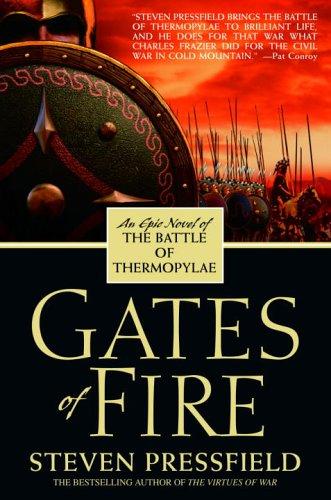
Gates of Fire
Steven Pressfield · 1998
5.0 · 1 ratingIn the crucible of ancient Greece, three hundred Spartans faced an impossible choice: stand and fight against overwhelming odds or flee and condemn their civilization. This is the story of their legendary last stand at Thermopylae, a battle that would echo through millennia. Through the eyes of a young squire, witness the brutal realities of Spartan training, the unwavering bonds of brotherhood, and the ultimate sacrifice made in the face of annihilation. Steven Pressfield masterfully brings to life the courage, discipline, and indomitable spirit that defined the Spartans, exploring themes of duty, honor, and the enduring power of the human will against the tide of history.
- 9
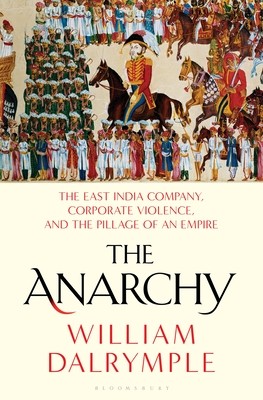
The Anarchy
William Dalrymple · 2019
In this sweeping history, the rise of the British East India Company is revealed as one of the most consequential—and troubling—episodes in the making of the modern world. As the Mughal Empire fragments, a private trading corporation transforms itself into a military and political power, exploiting rivalries, reshaping economies, and extending its rule across much of the Indian subcontinent. Drawing on vivid firsthand accounts and extensive archival research, the narrative explores empire, greed, violence, and the human cost of unchecked corporate power. Compelling and meticulously researched, it offers a fresh perspective on colonialism and the origins of global capitalism.
- 10
Ashley's War
Gayle Tzemach Lemmon · 2015
This gripping work of narrative nonfiction tells the story of the women who broke barriers to serve alongside U.S. Army Rangers and Special Forces in Afghanistan. At its center is Ashley White, a determined young lieutenant whose leadership and courage helped define the Army’s pioneering Cultural Support Teams. Drawing on extensive reporting and personal accounts, the book explores friendship, sacrifice, military service, and the changing role of women in combat. It is both a tribute to extraordinary soldiers and a compelling portrait of the bonds forged under the pressures of war.
- 11
Avenue of Spies
Alex Kershaw · 2015
Set in Nazi-occupied Paris, this gripping true story follows an American surgeon, his French wife, and their young son as they become involved in a dangerous underground effort to help Allied airmen escape. Living on the prestigious Avenue Foch—one of the centers of German power—the family must navigate surveillance, betrayal, and the escalating brutality of the occupation. Blending personal courage with the broader history of the French Resistance, the narrative explores sacrifice, moral conviction, and the extraordinary risks ordinary people took to oppose tyranny. Told with cinematic detail and meticulous research, it offers a deeply human portrait of heroism under unimaginable pressure.
- 12
George, Nicholas and Wilhelm
Miranda Carter · 2009
This compelling history explores the intertwined lives of George V of Britain, Nicholas II of Russia, and Wilhelm II of Germany—three royal cousins whose family ties could not prevent the nations they ruled from drifting toward catastrophe. Drawing on personal correspondence, political history, and vivid character portraits, it examines their upbringing, rivalries, personalities, and often uneasy relationships against the backdrop of a rapidly changing Europe. The book reveals how dynastic privilege, national ambition, militarism, and personal misjudgment shaped the road to the First World War and transformed the European monarchy. Engaging and richly researched, it offers an intimate portrait of power, family, and the limits of royal influence.
- 13
Last Stand
Michael Punke · 2007
Set against the sweeping landscapes of the American West, this gripping work recounts the near-destruction of the buffalo and the determined efforts to preserve the last surviving herds. It follows the unlikely alliance of hunters, conservationists, Native peoples, and government officials whose conflicts and convictions shaped a pivotal struggle over the nation’s natural heritage. Combining vivid historical narrative with environmental insight, the book explores conservation, westward expansion, cultural upheaval, and the changing relationship between people and the land.
- 14
The Biggest Prison on Earth
Ilan Pappe · 2017
Drawing on declassified archives and extensive historical research, this incisive study traces the origins and development of Israel’s occupation of the West Bank and Gaza after 1967. It examines how political decisions, military strategies, legal structures, and bureaucratic systems combined to govern and constrain the lives of Palestinians. With a sharp focus on power, dispossession, resistance, and the international response, the book offers a challenging account of one of the modern era’s most enduring conflicts. Its forceful analysis invites readers to reconsider the history and continuing realities of the Occupied Territories.
- 15
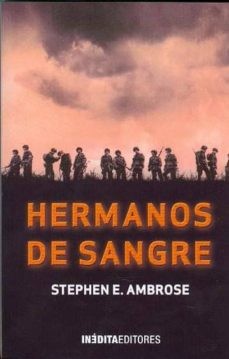
Band of Brothers: E Company, 506th Regiment, 101st Airborne from Normandy to Hitler's Eagle's Nest
Stephen E. Ambrose · 1992
This gripping narrative chronicles the extraordinary journey of Easy Company, 506th Regiment, 101st Airborne Division, from their rigorous training at Camp Toccoa to the triumphant capture of Hitler's Eagle's Nest. Stephen E. Ambrose masterfully weaves together the soldiers' own words, journals, and letters to recount their harrowing experiences through pivotal World War II campaigns, including D-Day and the brutal Battle of the Bulge. It's a profound testament to the courage, resilience, and brotherhood forged in the crucible of war, exploring themes of sacrifice, duty, and the enduring bonds of camaraderie.
- 16
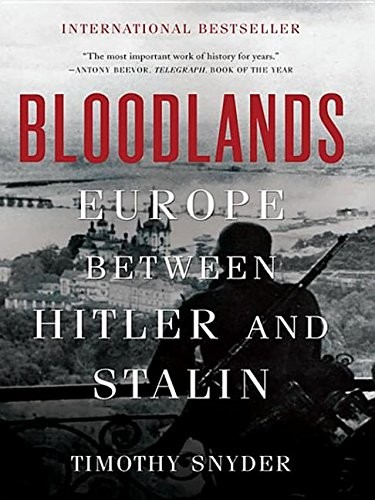
Bloodlands: Europe Between Hitler and Stalin
Timothy Snyder · 2010
In the lands between Germany and Russia, two totalitarian regimes carried out an unprecedented campaign of mass murder, transforming Eastern Europe into the central killing ground of the twentieth century. Timothy Snyder examines the policies and human consequences of Stalin’s collectivization, famine, terror, and deportations alongside Hitler’s occupation, racial war, and genocide, revealing the connections and distinctions between them. Drawing on extensive research and individual testimony, the book restores victims and survivors to the center of a history long obscured by war, ideology, and the Iron Curtain. It is a deeply humane, ambitious account of political violence, memory, and the struggle to understand Europe’s darkest years.
- 17
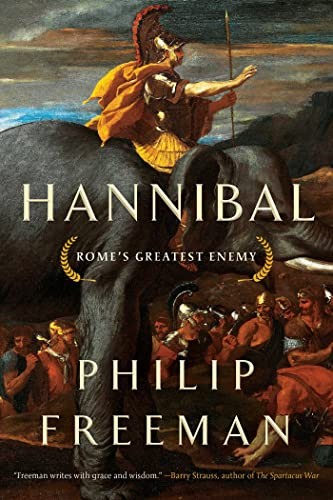
Hannibal
Philip Freeman · 2022
Philip Freeman's "Hannibal" offers a vivid and accessible biography of one of history's most formidable military geniuses. This compelling narrative traces Hannibal Barca's extraordinary life, from his early years in Carthage to his audacious invasion of Italy and his legendary battles against Rome. Freeman masterfully explores Hannibal's strategic brilliance, his unwavering determination in the face of overwhelming odds, and the cultural context that shaped his remarkable career. The book delves into the enduring legacy of a commander who, despite ultimate defeat, forever altered the course of ancient warfare and remains a subject of fascination centuries later.
- 18
Persian Fire: The First World Empire and the Battle for the West
Tom Holland · 2005
5.0 · 1 ratingTom Holland’s sweeping history recounts the rise of the Persian Empire and its dramatic invasion of Greece in the fifth century B.C.E. From the empire’s rapid expansion across the ancient Near East to the defiant Greek resistance at Thermopylae, Salamis, and Plataea, the narrative explores a conflict whose consequences reached far beyond the battlefield. Blending rigorous scholarship with vivid, novelistic storytelling, the book examines power, freedom, cultural identity, and the fragile foundations of what would later be called the West. It offers an illuminating portrait of two civilizations confronting one another at a pivotal moment in world history.
- 19
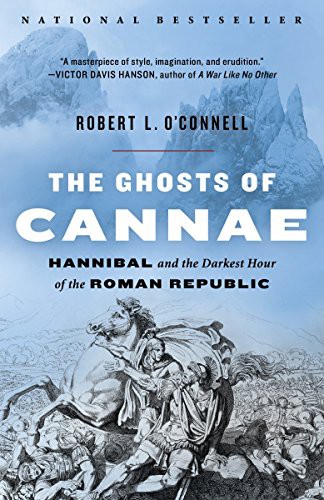
The Ghosts of Cannae
Robert L. O'Connell · 2010
In the shadow of one of antiquity’s most infamous battles, this gripping work follows the enduring mystery of Cannae—where strategy, courage, and catastrophe converged with terrifying efficiency. Blending historical scholarship with vivid narrative, it examines how commanders, troops, and terrain shaped the outcome, and why the battle’s lessons have echoed through military thought for centuries. Through close analysis of tactics and decision-making, the book explores themes of leadership under pressure, the limits of intelligence, and the thin line between brilliance and disaster. Robert L. O’Connell’s distinctive, accessible style brings the past into sharp focus, making this a compelling read for history lovers and military strategists alike.
- 20
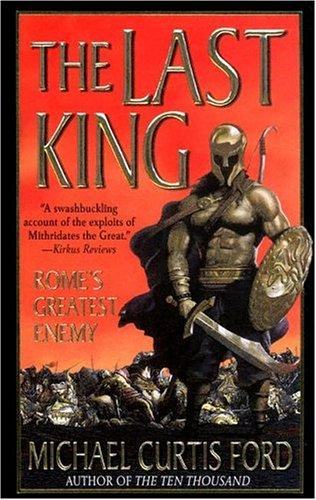
The Last King
Michael Curtis Ford · 2004
In the tumultuous aftermath of Alexander the Great's death, his vast empire fractures, plunging the world into a brutal struggle for power. This epic saga follows the ambitious generals, known as the Diadochi, as they carve out their own kingdoms from the remnants of Alexander's dominion. Amidst betrayals, shifting alliances, and relentless warfare, the fate of Hellenistic civilization hangs precariously in the balance.
- 21
The Republic of Pirates
Colin Woodard · 2007
4.0 · 1 ratingThis vivid work of history brings to life the pirates of the early eighteenth-century Caribbean and the lawless maritime world they helped create. Focusing on the pirate haven of Nassau, it reveals how outcasts, sailors, and rebels formed an unexpectedly democratic society that challenged the authority of empires and colonial powers. Through colorful portraits of infamous captains and the political and economic forces surrounding them, the book explores freedom, rebellion, justice, and the limits of authority. Meticulously researched and written with the pace of an adventure narrative, it offers a fresh perspective on the Golden Age of Piracy and its lasting place in history.
- 22
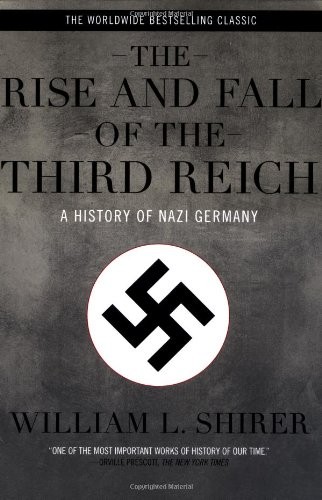
The Rise and Fall of the Third Reich: A History of Nazi Germany
William L. Shirer · 1960
4.0 · 1 ratingThis sweeping history traces the emergence of Nazi Germany from political upheaval and economic crisis through Adolf Hitler’s consolidation of power, the creation of a totalitarian state, and the cataclysmic conflict that followed. Drawing on extensive documentation and Shirer’s firsthand experience as a journalist in Europe, it examines the ideology, institutions, propaganda, and decisions that enabled the regime to pursue domination at home and abroad. The book also confronts the human cost of dictatorship, war, and genocide while exploring the forces that ultimately brought the Third Reich to ruin. Vivid, meticulously researched, and enduringly influential, it remains a landmark account of one of history’s darkest chapters.
- 23
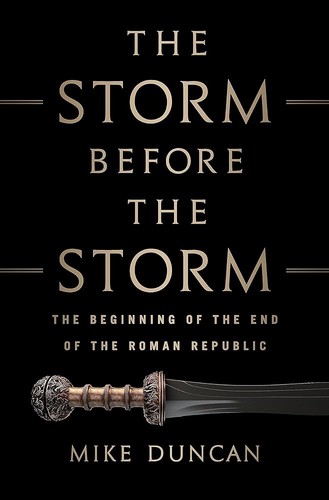
The Storm Before the Storm: The Beginning of the End of the Roman Republic
Mike Duncan · 2017
5.0 · 1 ratingSpanning 146–78 BC, this compelling history traces the turbulent decades when Rome’s spectacular expansion began to undermine the political system that had sustained the Republic for centuries. Economic inequality, struggles over citizenship and voting rights, corruption, and escalating political violence reshape Roman society as ambitious leaders and reformers challenge its traditional order. Through the careers of the Gracchi brothers, Marius, and Sulla, the narrative reveals how institutional strain and dangerous political precedents pushed Rome toward civil conflict. Written with vivid storytelling and historical clarity, the book offers both a dramatic account of Rome’s crisis and a thought-provoking examination of how powerful societies can be weakened by their own success.
- 24
Unknown Valor
Martha MacCallum · 2020
In a world where courage is tested in quiet, consequential ways, this gripping narrative follows characters drawn into high-stakes decisions that demand both moral clarity and personal sacrifice. As events unfold, the story explores what “valor” truly means—whether it’s standing firm under pressure, protecting others at great cost, or confronting uncomfortable truths about power and responsibility. With a fast-moving, suspenseful approach, the book blends character-driven tension with themes of integrity, resilience, and the lasting impact of choices made when no easy answers exist. Martha MacCallum’s sharp, journalistic storytelling style brings immediacy to the stakes, making this a compelling read for anyone drawn to stories of bravery under fire.
- 25
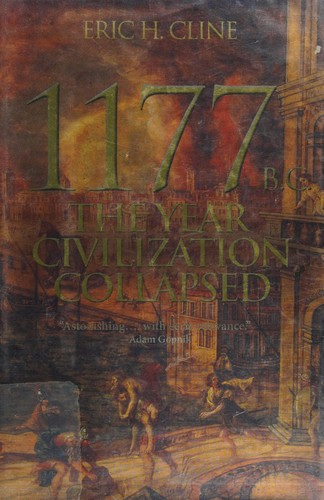
1177 B.C.: The Year Civilization Collapsed
Eric H. Cline · 2014
4.0 · 1 ratingA gripping investigation into the dramatic collapse of the Late Bronze Age, when powerful kingdoms across the eastern Mediterranean and Near East unraveled within a few turbulent decades. Drawing on archaeology, ancient texts, and the latest historical research, the book reveals how invasions, rebellion, earthquakes, climate stress, and disrupted trade combined to bring down an interconnected world. It offers a vivid portrait of the era’s cosmopolitan societies while exploring the vulnerabilities created by their dependence on one another. Engaging and wide-ranging, this account transforms a mysterious “dark age” into a compelling study of systemic collapse and resilience.
- 26
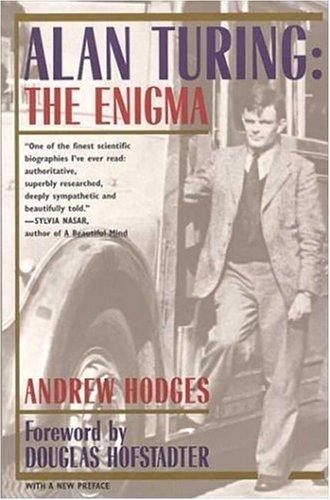
Alan Turing: The Enigma
Andrew Hodges · 1983
4.0 · 1 ratingThis landmark biography traces the extraordinary life and work of a mathematician whose ideas helped give birth to the modern computer. It explores his pioneering theory of computation, his crucial wartime contributions to deciphering German codes, and the intellectual breakthroughs that reshaped science and technology. Alongside these achievements, the book portrays the devastating consequences of persecution and prejudice against his homosexuality, offering a moving examination of genius, secrecy, identity, and injustice. Rich in historical detail and mathematical insight, it presents a nuanced portrait of a brilliant, unconventional figure and his enduring legacy.
- 27
Alexander
Valerio Manfredi · 2001
Valerio Massimo Manfredi masterfully brings to life the legendary conqueror Alexander the Great in this sweeping historical novel. From his youth tutored by Aristotle to his ambitious campaigns across Persia and India, the narrative follows Alexander's relentless pursuit of glory and his transformation into a figure of myth. The story delves into the complex relationships, strategic brilliance, and personal struggles that defined his extraordinary life. Manfredi's vivid prose and meticulous research immerse the reader in the ancient world, exploring themes of destiny, power, and the enduring legacy of one of history's most iconic leaders.
- 28
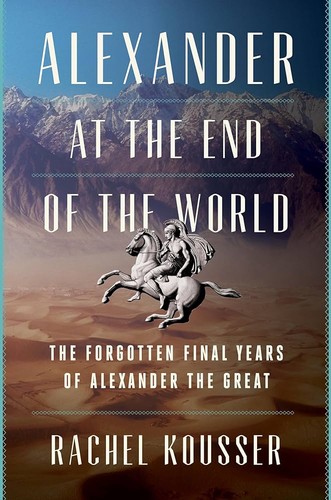
Alexander at the End of the World: The Forgotten Final Years of Alexander the Great – A Riveting Biography of Leadership, Ambition, and the Campaign That Forged History
Rachel Kousser · 2024
4.0 · 1 ratingThis compelling biography explores the final years of Alexander the Great, tracing his relentless campaign from the Persian heartland toward the distant reaches of Central and South Asia. It examines the challenges of ruling a vast, culturally diverse empire while sustaining the loyalty of soldiers, subjects, and rival elites. With a focus on leadership, ambition, conquest, and the human costs of empire, the book reassesses the decisions and tensions that shaped Alexander’s later career. Engaging and richly contextualized, it offers a fresh perspective on the campaign that transformed the ancient world and secured Alexander’s enduring place in history.
- 29
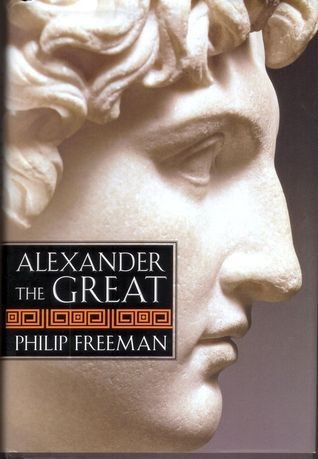
Alexander the Great
Philip Freeman · 2011
Philip Freeman masterfully chronicles the extraordinary life of Alexander the Great, the young Macedonian king who forged one of history's largest empires. This compelling narrative delves into Alexander's brilliant military strategies, his insatiable ambition, and the cultural fusion that defined his reign. Freeman explores the complex character of a leader who was both a visionary conqueror and a figure of profound historical impact, offering fresh insights into his enduring legacy.
- 30
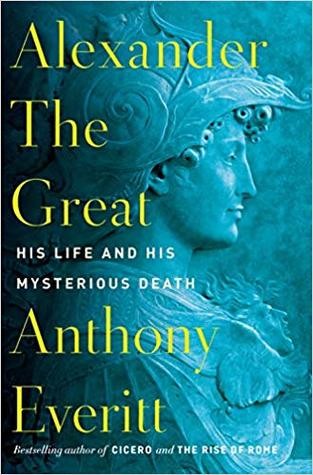
Alexander the Great: His Life and His Mysterious Death
Anthony Everitt · 2019
4.0 · 1 ratingAnthony Everitt presents a vivid, nuanced portrait of Alexander the Great, tracing his transformation from Macedonian prince to ruler of an empire stretching across Greece, Egypt, Persia, and India. Drawing on the world of ancient warfare, politics, science, art, and literature, the book explores Alexander’s intellectual curiosity and administrative ambition alongside his appetite for conquest and capacity for cruelty. Everitt places Alexander within the values of his own age rather than later legend, revealing the complexities behind his enduring fame. The narrative also examines the unresolved mystery of his death at thirty-three, asking what his final days may reveal about the man and the empire he built.
- 31
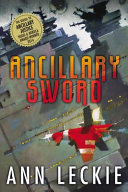
Ancillary Sword
Ann Leckie · 2014
5.0 · 1 ratingBreq, a former warship now inhabiting a single human body, takes command of a troubled military crew in this stunning sequel to Ann Leckie's award-winning Ancillary Justice. Seeking redemption for her violent past, she accepts a dangerous assignment to protect the family of a lieutenant she once murdered—a mission that forces her to confront the consequences of her actions and the nature of identity itself. Leckie's Imperial Radch trilogy has established itself as a modern science fiction classic, blending philosophical depth with thrilling space opera as Breq navigates complex questions of loyalty, justice, and what it means to be human. With beautifully crafted prose and a richly imagined universe, this novel delivers both intellectual substance and explosive action, cementing Leckie's place among the genre's most innovative voices.
- 32
A People's History of the U.S. Military
Michael A. Bellesiles · 2012
Drawing on more than two centuries of letters, diaries, memoirs, recordings, films, and digital accounts, this sweeping history presents the American military experience through the voices of those who lived it. From early conflicts to the wars of the modern era, it explores how soldiers confronted combat, discipline, fear, loyalty, trauma, and the bonds formed under extraordinary pressure. By placing personal testimony at the center of the narrative, the book offers an intimate, multifaceted portrait of military life and examines the human costs of war alongside its broader place in American history.
- 33
Battle Cry of Freedom
James M. McPherson · 1988
This landmark one-volume history of the American Civil War seamlessly weaves together political, social, and military narratives across two transformative decades, from the Mexican-American War through the conflict's conclusion at Appomattox. James M. McPherson's masterful chronicle vividly brings to life the pivotal events that ignited the nation's bloodiest conflict—including the Dred Scott decision, the Lincoln-Douglas debates, and John Brown's raid on Harper's Ferry—before delivering a comprehensive account of the war itself, complete with detailed battle narratives, strategic analysis, and compelling portraits of the era's defining personalities. Filled with fresh interpretations and analytical insight, the work challenges conventional wisdom while establishing itself as the definitive single-volume examination of this crucial period in American history. McPherson's fast-paced narrative style makes this sweeping historical account both intellectually rigorous and deeply engaging, offering readers a complete understanding of the forces that shaped a nation.
- 34
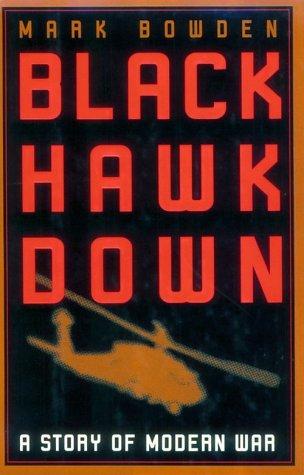
Black Hawk Down
Mark Bowden · 1999
In the heart of Mogadishu, a swift mission to capture enemy leaders spirals into a desperate night of survival for U.S. Special Forces. As the city erupts into chaos, soldiers find themselves trapped in an intense firefight, facing overwhelming odds and the brutal realities of urban warfare. This gripping account, drawing on firsthand accounts and classified materials, plunges readers into the harrowing experiences of the young men who fought through the longest night of their lives. It is a visceral testament to courage, sacrifice, and the profound human cost of conflict.
- 35
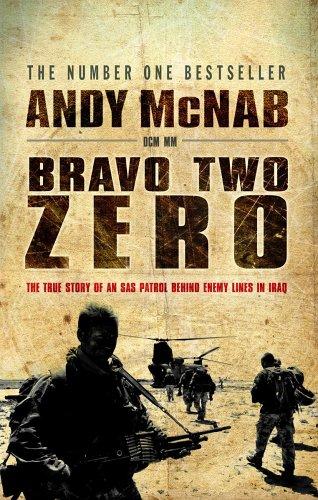
Bravo Two Zero
Andy McNab · 1993
3.0 · 1 ratingDuring the Gulf War, an eight-man SAS patrol is sent deep behind enemy lines to disrupt communications and hunt mobile Scud missile launchers. When their mission is compromised, the soldiers must cross hostile terrain on foot while evading capture, enduring brutal conditions, injuries, and relentless pursuit. Drawing on his experience as the patrol’s commander, the author offers a gripping account of combat, survival, loyalty, and the psychological demands of elite military service. Its vivid detail, stark realism, and flashes of dark humor make it a powerful work of modern war literature.
- 36
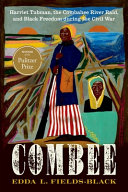
COMBEE: Harriet Tubman, the Combahee River Raid, and Black Freedom during the Civil War
Edda L. Fields-Black · 2024
Drawing on original documents and family history, this landmark work reconstructs the Combahee River Raid of June 1863, when Harriet Tubman guided Union gunboats through South Carolina’s rice plantations and more than 700 enslaved people seized their freedom. It places the raid within the larger struggle of the Civil War, illuminating the lives and resistance of the enslaved communities who made the region’s wealth—and who transformed a military operation into one of the largest acts of collective emancipation in the continental United States. Richly researched and deeply humane, the book brings long-overlooked historical actors into focus while tracing the raid’s enduring significance for Black freedom and the Gullah Geechee community.
- 37
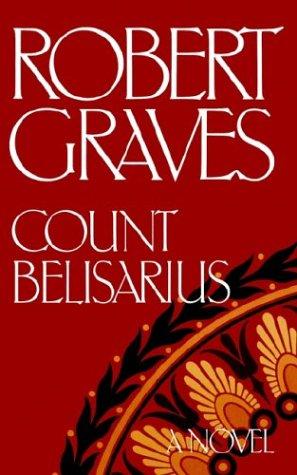
Count Belisarius
Robert Graves · 1938
Step into the tumultuous sixth century, an era of relentless conflict and shifting empires, where the Roman Empire teetered on the brink of collapse. Amidst this chaos, one name rose to prominence: Belisarius, the brilliant general whose strategic genius and unwavering loyalty became the last bastion against a tide of invaders. Robert Graves masterfully reconstructs this pivotal period, painting a vivid and unflinching portrait of a world both brutal and magnificent. Through Belisarius's extraordinary military campaigns and his complex relationship with the formidable Empress Theodora, Graves explores themes of power, ambition, and the enduring human spirit in the face of overwhelming odds.
- 38
Dempsey
Brian Andrews, Jeffrey Wilson · 2023
3.0 · 1 ratingA relentlessly paced military thriller follows John Dempsey, an elite operative drawn into a covert mission with consequences that reach far beyond the battlefield. As he confronts a sophisticated and deadly threat, Dempsey must rely on hard-earned instincts, tactical precision, and an uneasy network of allies to stay one step ahead. Blending high-stakes action with espionage, loyalty, and the moral cost of service, the novel offers a gripping portrait of a warrior navigating a dangerous world where trust is never guaranteed.
- 39
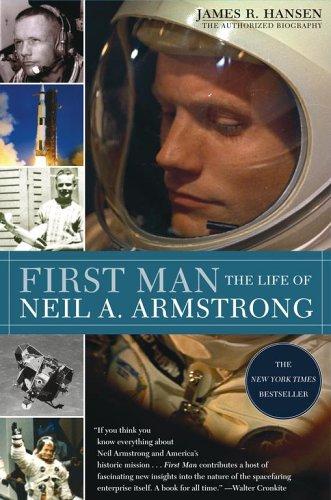
First Man: The Life of Neil A. Armstrong
James R. Hansen · 2005
5.0 · 1 ratingThis authorized biography offers an intimate, deeply researched portrait of Neil Armstrong, tracing his journey from combat pilot and daring test aviator to the commander of Apollo 11 and the first human to set foot on the Moon. Drawing on extensive interviews, private papers, and previously unpublished sources, it looks beyond the iconic moment to reveal the disciplined, private man behind the legend. The book explores Armstrong’s devotion to engineering and flight, his understated personality, and the personal sacrifices that accompanied a life lived at the center of history. It is both a compelling account of America’s race into space and a nuanced examination of fame, courage, family, and the costs of heroism.
- 40
Freedom Struggles: African Americans and World War I
Adriane Danette Lentz-Smith · 2009
Drawing on the experiences of African American soldiers and civilians during World War I, this study examines how military service and global encounters reshaped ideas about freedom, citizenship, and racial justice. In Europe, Black Americans encountered French society, colonial troops, and alternative visions of race that challenged the boundaries imposed by Jim Crow at home. The book traces how the war mobilized a generation, linking overseas service to the growth of Black political consciousness and the broader struggle for equality. Richly researched and attentive to the intersections of race, nation, and empire, it offers a compelling account of World War I’s lasting impact on African American life.
- 41
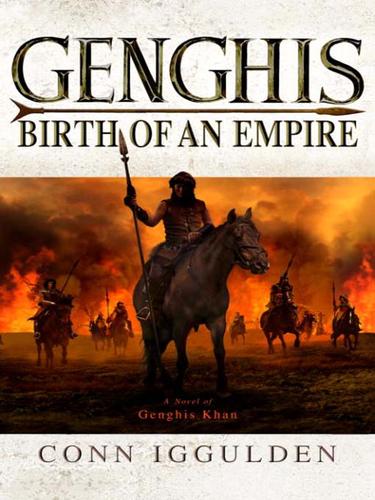
Genghis: Birth of an Empire
Conn Iggulden · 2007
Born as Temujin, a khan's son raised among nomadic hunters on the harsh steppe, this epic novel traces the extraordinary rise of history's most formidable conqueror. Shaped by abandonment, betrayal, and an unrelenting will to survive, Temujin transforms from a vulnerable outsider into a visionary leader driven by a singular obsession: to unite the fractured tribes of the steppe into one unstoppable force. Through daring raids and strategic brilliance, his legend grows as he pursues an audacious dream—to make the earth tremble beneath thousands of warhorses and bend all nations to his command. Conn Iggulden brings the brutal world of medieval Central Asia to vivid life, crafting a sweeping tale of ambition, survival, and the forging of an empire that would reshape the world. This edition includes bonus excerpts from the sequels that continue Genghis Khan's legendary saga.
- 42
Ghosts of Hiroshima
Charles Pellegrino · 2020
This meticulously researched work reconstructs the bombing of Hiroshima through the experiences of survivors, eyewitnesses, scientists, and military personnel who witnessed the dawn of the nuclear age. Combining firsthand testimony with scientific and historical investigation, it traces the devastation unleashed in an instant and the long shadow it cast over individuals, families, and the world. The narrative explores courage, suffering, memory, and the moral consequences of humanity’s first use of an atomic weapon. Vivid and deeply human, it offers a sobering examination of history’s most consequential turning points.
- 43
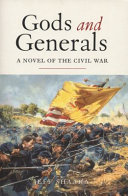
Gods and Generals
Jeff Shaara · 1996
This epic prequel to the Pulitzer Prize-winning The Killer Angels follows the lives and careers of the Civil War's greatest military leaders as the nation hurtles toward conflict. Through the compelling narratives of Thomas "Stonewall" Jackson, Robert E. Lee, Winfield Scott Hancock, and Joshua Chamberlain, Jeff Shaara traces their transformations from peacetime officers into legendary commanders, exploring the personal convictions and moral struggles that shaped their destinies. With profound insight into the minds and hearts of those who fought, Shaara vividly portrays the soldiers, battlefields, and tumultuous times that would forever alter the course of American history. This brilliantly written novel captures the human dimension of war—the doubts, passions, and heroism of men thrust into extraordinary circumstances. A masterwork of historical fiction that brings the dawn of the Civil War to life with unforgettable power and authenticity.
- 44
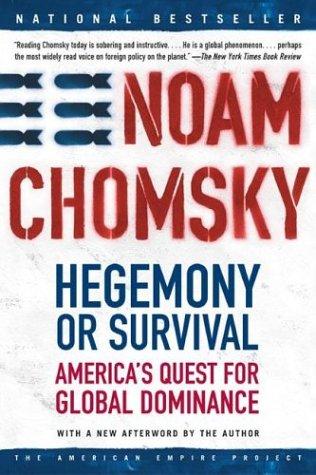
Hegemony or Survival: America's Quest for Global Dominance
Noam Chomsky · 2003
3.0 · 1 ratingIn this incisive critique of U.S. foreign policy, Noam Chomsky examines the country’s pursuit of global dominance and the far-reaching consequences of imperial power. Drawing on history, international affairs, and political analysis, he explores the expansion of military influence, the erosion of international law, and the growing risks posed to peace and human survival. Chomsky challenges readers to consider whether a commitment to hegemony can coexist with democracy, security, and a sustainable future.
- 45
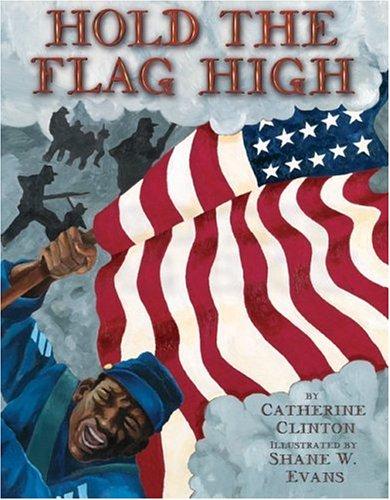
Hold the Flag High
Catherine Clinton · 2005
Set against the fierce backdrop of the Civil War, this compelling narrative follows the battle for Morris Island, South Carolina, where courage and conviction collide amid relentless fire and shifting tides. At the center is Sergeant William H. Carney’s extraordinary act of resolve—holding the flag high when everything around him threatens to fall—an action that would make him the first African American to receive the Congressional Medal of Honor. Through vivid historical detail and a clear focus on lived experience, the book illuminates themes of bravery, citizenship, and the struggle for recognition in a nation still defining freedom. With Catherine Clinton’s engaging, research-grounded storytelling, readers gain not only a deeper understanding of a pivotal campaign, but also a lasting appreciation for how individual heroism can reshape collective memory.
- 46
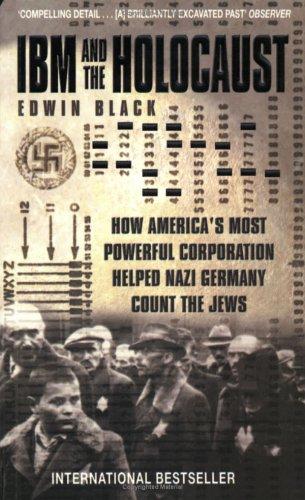
IBM and the Holocaust
Edwin Black · 2001
5.0 · 1 ratingThis meticulously researched investigation examines how IBM’s punch-card technology and German subsidiary became entwined with the Nazi regime’s efforts to identify, categorize, dispossess, deport, and exploit Jewish people and other targeted populations. Tracing the relationship from Hitler’s rise to power through World War II, it explores the corporate systems, specialized machinery, data management, and bureaucratic processes that helped make persecution more systematic and far-reaching. The book also probes the ethical responsibilities of international business, the pursuit of profit amid atrocity, and the layers of deniability surrounding corporate collaboration. Combining archival research with a dramatic account of technology’s role in history, it raises enduring questions about complicity, accountability, and the human consequences of seemingly neutral tools.
- 47
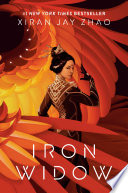
Iron Widow
Xiran Jay Zhao · 2021
In a world where women are sacrificed to pilot giant mechas and fight an endless war, one young woman dares to seek revenge. Wu Zetian offers herself as a concubine pilot, not for glory, but to avenge her sister's death. However, her first flight unleashes a power and a fury that will shake the foundations of her patriarchal society. This gripping reimagining of China's only female emperor is a tale of rage, survival, and the fight against oppression, exploring diverse experiences of women navigating a brutal world.
- 48
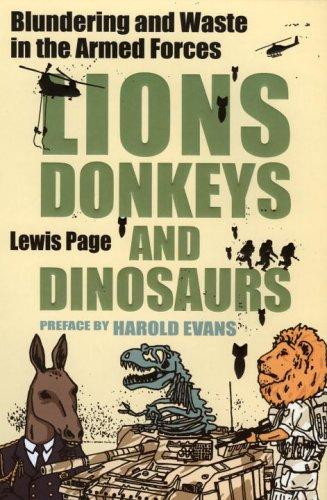
Lions, Donkeys and Dinosaurs: Blundering and Waste in the Armed Forces
Lewis Page · 2006
1.0 · 1 ratingThis incisive work delves into the persistent issues of incompetence and waste within military leadership, drawing parallels across historical conflicts. It examines how strategic blunders and poor decision-making by commanders have often led to the tragic sacrifice of brave soldiers, a phenomenon famously encapsulated by the "lions led by donkeys" adage. The book explores the profound impact of such leadership failures on the morale, effectiveness, and ultimate outcomes of military campaigns. Through a critical lens, it questions the systems and cultures that perpetuate these cycles of inefficiency and calls for a re-evaluation of accountability at the highest levels.