Popular Science Books
The science books Readstead readers shelve most, out of 516 in the catalog.
- 1
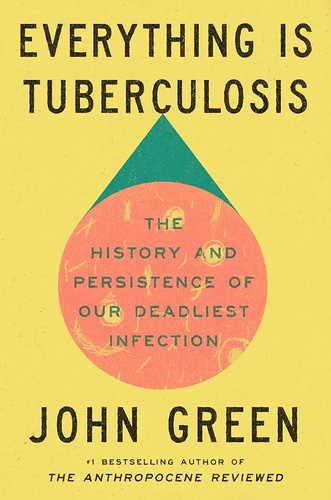
Everything Is Tuberculosis: The History and Persistence of Our Deadliest Infection
John Green · 2025
4.2 · 3 ratingsIn "Everything Is Tuberculosis," John Green delves into the complex and often overlooked history of one of humanity's most persistent and deadly infectious diseases. This compelling narrative traces tuberculosis from its ancient origins through its devastating impact on global populations, revealing how it has shaped societies, inspired art, and challenged medical science for centuries. Green masterfully explores the scientific, social, and cultural dimensions of the disease, highlighting its enduring presence and the ongoing struggle for its eradication. The book offers a profound look at human vulnerability, resilience, and the relentless pursuit of knowledge in the face of a formidable biological adversary.
- 2
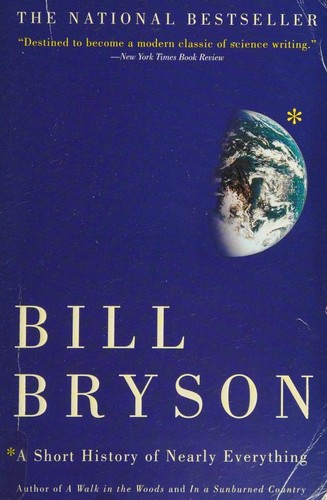
A Short History of Nearly Everything
Bill Bryson · 2004
4.5 · 2 ratingsBill Bryson embarks on an ambitious journey to unravel the mysteries of the universe, from the Big Bang to the present day. With his signature wit and accessible prose, Bryson explores the monumental scientific discoveries that have shaped our understanding of existence. He delves into the vastness of space, the forces that govern our planet, and the improbable chain of events that led to the emergence of life. Bryson marvels at the ingenuity of scientists and makes complex concepts engaging, revealing the often-overlooked stories behind groundbreaking knowledge. This captivating exploration highlights the precariousness of our planet and the ongoing quest to comprehend our place within the cosmos.
- 3

Braiding Sweetgrass: Indigenous Wisdom, Scientific Knowledge, and the Teachings of Plants
Robin Wall Kimmerer · 2013
4.5 · 2 ratingsIn Braiding Sweetgrass, Robin Wall Kimmerer weaves together Indigenous wisdom, scientific knowledge, and the profound teachings of the plant world. This captivating work explores the reciprocal relationship between humans and nature, urging readers to reconsider their place within the living world. Through lyrical prose and insightful observations, Kimmerer reveals the gifts of the earth and the responsibilities that come with them, offering a path toward ecological healing and a deeper connection to the planet. It is a powerful testament to the wisdom held within the natural world and a call to embrace a more harmonious way of living.
- 4

A Brief History of Time
Stephen Hawking · 1988
4.0 · 2 ratingsStephen Hawking's groundbreaking work invites readers on an extraordinary journey through the cosmos, demystifying complex scientific concepts with remarkable clarity. This landmark book tackles humanity's most profound questions about the universe's origins, its potential boundaries, and the very nature of time itself. Hawking masterfully guides us through the exotic landscapes of black holes, quarks, and the Big Bang, making the ultimate secrets of creation accessible to all. With profound imagination and accessible language, this book offers a captivating glimpse into the wonders and possibilities of the universe.
- 5
Cosmos
Carl Sagan · 1980
4.0 · 1 ratingEmbark on an awe-inspiring journey through space and time with this landmark work of science communication. Exploring the vastness of the universe, the book delves into the history of scientific discovery, from ancient civilizations to modern astrophysics. It masterfully weaves together astronomy, biology, and anthropology, revealing the interconnectedness of all life and our place within the grand cosmic tapestry. Sagan's eloquent prose invites readers to contemplate profound questions about humanity's origins, destiny, and the enduring quest for knowledge.
- 6
On the Calculation of Volume IV
Solvej Balle
Trapped in a repeating stretch of time, the protagonist of this fourth installment must do more than survive the loop—she must learn how to live, plan, and decide when every attempt is reset. As new people and perspectives arrive, the story widens from a private puzzle into a collective experiment in meaning: how to build routines, solve practical problems, and confront the unsettling possibility that others are trapped too. Blending the momentum of a time-loop narrative with the rigor of a novel of ideas, the book explores themes of agency, community, and the shape of time itself—whether it behaves like a cycle or a line, and what that difference does to human hope. Solvej Balle’s distinctive, thought-driven style turns each repetition into a fresh calculation, making the page-turning suspense feel inseparable from philosophical inquiry.
- 7
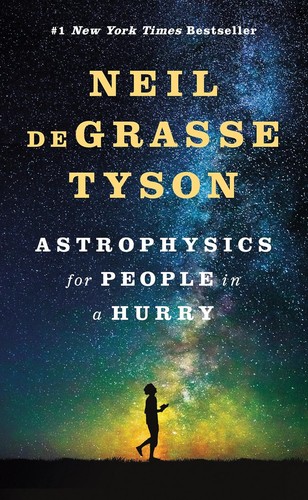
Astrophysics for People in a Hurry
Neil deGrasse Tyson · 2017
3.0 · 1 ratingExplore the cosmos with renowned astrophysicist Neil deGrasse Tyson in this concise guide to the universe. Designed for the curious mind on the go, this book demystifies complex concepts, from the Big Bang to black holes, in an accessible and engaging manner. Discover the fundamental principles that govern our universe and gain a deeper appreciation for our place within the vast cosmic landscape. It's an essential read for anyone seeking to understand the wonders of astrophysics without the jargon.
- 8

The Gene
Siddhartha Mukherjee · 2016
A sweeping history of genetics, this illuminating work traces humanity’s evolving understanding of heredity—from the earliest theories of inheritance to the revolutionary possibilities of modern genetic engineering. It brings together scientific discovery, medical breakthroughs, and the personal stories of researchers and patients to show how genes shape health, identity, behavior, and our sense of what it means to be human. At once accessible and deeply researched, the book examines the ethical questions raised by genetic testing, manipulation, and the prospect of designing future generations. It is both a compelling scientific narrative and a thoughtful meditation on the promise and peril of controlling the code of life.
- 9
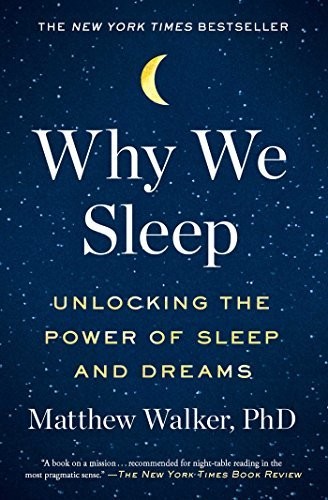
Why We Sleep
Matthew P. Walker · 2017
5.0 · 1 ratingDrawing on decades of research in neuroscience and sleep science, this accessible exploration reveals how sleep influences memory, learning, creativity, emotional balance, and physical health. It explains the essential stages and functions of sleep, the consequences of sleep deprivation, and the ways modern habits and technology can disrupt our natural rhythms. Combining scientific evidence with practical insights, the book makes a compelling case for treating sleep as a foundation of well-being rather than a luxury. Clear, engaging, and thought-provoking, it offers readers a deeper understanding of one of the most important—and often misunderstood—parts of daily life.
- 10
The Demon-Haunted World: Science as a Candle in the Dark
Carl Sagan · 1996
4.0 · 1 ratingIn this powerful defense of scientific rationality, renowned astronomer Carl Sagan argues that critical thinking and empirical evidence are essential not only for understanding our world but for preserving our democratic institutions. Drawing on history, culture, and contemporary examples, Sagan systematically debunks pseudoscientific claims—from witchcraft and faith healing to UFO abductions and alien encounters—revealing how easily misinformation can flourish in an age of information overload. With lucid eloquence, he demonstrates why the difference between testable scientific hypotheses and the seductive myths of pseudoscience matters profoundly for our individual decision-making and collective well-being. This manifesto for clear thought serves as a timely reminder that in a world increasingly vulnerable to conspiracy theories and unreason, scientific literacy is not a luxury but a necessity for maintaining our freedom and progress.
- 11
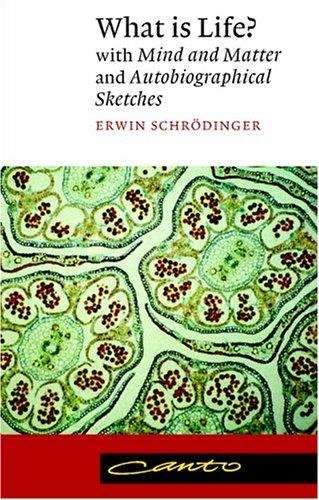
What Is Life? with Mind and Matter and Autobiographical Sketches
Erwin Schrödinger · 1992
4.5 · 2 ratingsThis volume brings together three essential facets of Erwin Schrödinger’s thought: his influential inquiry into the physical foundations of life, his philosophical exploration of consciousness and the relationship between mind and matter, and a series of autobiographical reflections. Drawing on physics, biology, and philosophy, it examines how order, heredity, perception, and subjective experience challenge conventional boundaries between the sciences and the humanities. Written with clarity and intellectual ambition, these essays reveal why Schrödinger’s ideas helped inspire the emergence of molecular biology while continuing to provoke debate about the nature of life and consciousness. The autobiographical sketches add a personal dimension, placing his scientific and philosophical investigations within the broader story of his life and work.
- 12
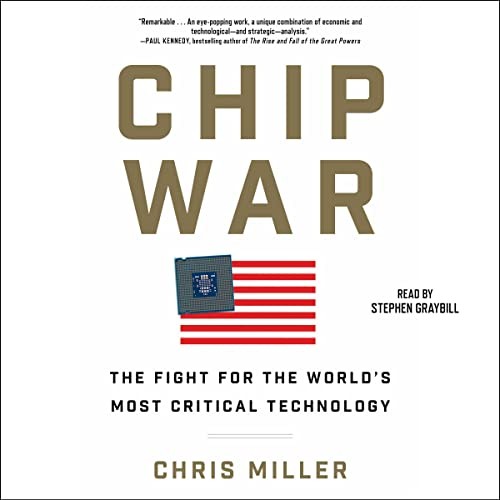
Chip War
Chris Miller · 2022
4.0 · 1 ratingIn a world powered by invisible technology, the race to control microchips has become a defining struggle of the modern era. This sweeping account traces how semiconductors—built through rare expertise, fragile supply chains, and massive capital—became central to national security, economic power, and technological independence. Through the lens of industry, government, and innovation, it reveals the high-stakes competition behind everything from consumer devices to advanced weaponry. With a clear, story-driven style, the book shows how the “chip war” is really a contest over manufacturing, talent, and strategic leverage in an increasingly interconnected world.
- 13
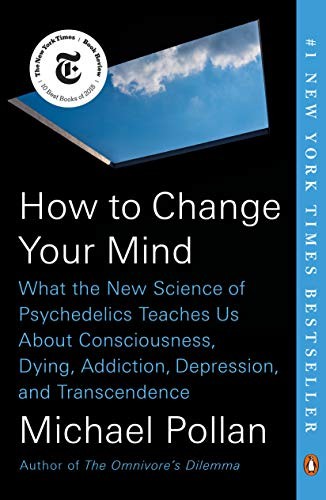
How to Change Your Mind
Michael Pollan · 2018
4.0 · 2 ratingsMichael Pollan embarks on a profound journey into the history and burgeoning resurgence of psychedelic drugs, exploring their potential to revolutionize our understanding of consciousness, mental health, and addiction. Through meticulous research and personal exploration, Pollan delves into the science behind these substances, examining how they temporarily dissolve the ego to foster new perspectives and healing. This illuminating work investigates the therapeutic promise of psychedelics for conditions ranging from depression to end-of-life anxiety, offering a compelling look at a new frontier in medicine and human experience.
- 14
Lab Girl
Hope Jahren · 2016
2.0 · 1 ratingHope Jahren's memoir, *Lab Girl*, invites readers into the vibrant world of a scientist, chronicling her journey from a childhood fascination with her father's laboratory to her distinguished career in plant science. This deeply personal narrative explores the profound connections between work, love, and the relentless pursuit of knowledge, revealing how these forces can drive extraordinary achievements. Jahren masterfully weaves together her experiences, offering a unique perspective on the challenges and triumphs of scientific discovery and the essential role of collaboration and mentorship in navigating the complexities of life and career.
- 15
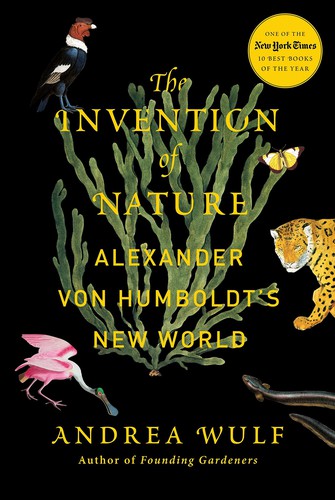
The Invention of Nature: Alexander von Humboldt's New World
Andrea Wulf · 2015
3.0 · 1 ratingAndrea Wulf resurrects the forgotten genius of Alexander von Humboldt, the intrepid explorer and scientist whose revolutionary ideas reshaped our understanding of nature. Humboldt's daring expeditions across the globe revealed a radical vision of nature as a complex, interconnected force, a concept that profoundly influenced thinkers like Darwin, Thoreau, and Muir. This brilliantly researched biography illuminates Humboldt's poetic prose, his prescient warnings about human-induced climate change, and his enduring legacy in environmental thought. Wulf compellingly argues for a renewed appreciation of this pivotal figure who laid the groundwork for modern ecological understanding.
- 16
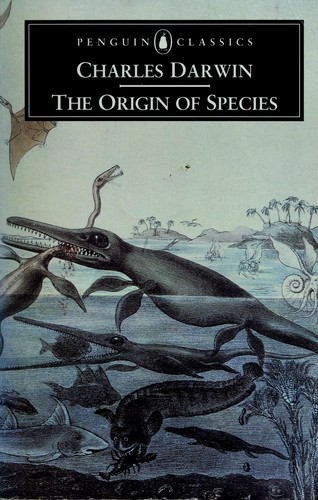
The Origin of Species
Charles Darwin · 1859
5.0 · 1 ratingCharles Darwin's seminal work, "On the Origin of Species," fundamentally reshaped our understanding of life on Earth. This groundbreaking text introduces the theory of evolution by natural selection, proposing that species change over time through a process of "survival of the fittest." Darwin meticulously details his observations and arguments, illustrating the intricate web of life and the profound interconnectedness of all living organisms. Written with remarkable clarity and literary grace, the book remains a cornerstone of modern science and a testament to the power of empirical observation and logical reasoning.
- 17
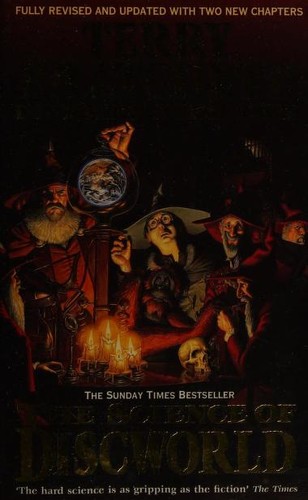
The Science of Discworld
Terry Pratchett · 1999
3.0 · 1 ratingWhen the wizards of Discworld's Unseen University accidentally create a new universe during an experimental power source demonstration, they discover a planet within it that mirrors our own world in unexpected ways. This unique collaboration between Terry Pratchett and real scientists weaves together the fantastical adventures of Discworld's most brilliant minds with genuine scientific explanations, exploring how the laws of physics, evolution, and natural selection actually work. By paralleling the fictional universe's creation and development with real scientific principles, the book offers readers an entertaining gateway to understanding complex scientific concepts without sacrificing Pratchett's signature wit and humor. The narrative cleverly uses the wizards' discoveries to illuminate everything from the nature of light and gravity to the origins of life itself, making advanced science accessible and genuinely fun. A perfect blend of fantasy storytelling and scientific education, this book proves that learning about the real world can be just as magical as any spell cast in Ankh-Morpork.
- 18
1491: New Revelations of the Americas Before Columbus
Charles C. Mann · 2005
Discover a revolutionary reimagining of pre-Columbian America that challenges everything you thought you knew about the indigenous civilizations that flourished before Columbus arrived. Charles C. Mann presents compelling evidence that the Americas were not a sparsely populated wilderness, but rather home to sophisticated, densely populated societies that actively shaped their environment through advanced agricultural techniques, urban planning, and landscape engineering. From the magnificent Aztec capital of Tenochtitlan—larger and cleaner than any contemporary European city—to the genetic engineering of corn itself, these civilizations demonstrated remarkable ingenuity and technological achievement. Drawing on groundbreaking archaeological and scientific research, Mann reveals how Native Americans were master manipulators of their world, fundamentally transforming our understanding of human achievement and environmental stewardship. This transformative work offers a fascinating and meticulously researched portrait of a rich, complex world that deserves to be rediscovered.
- 19
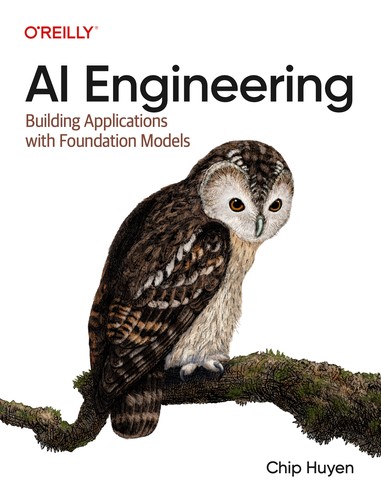
AI Engineering
Chip Huyen · 2024
4.0 · 2 ratingsDive into the rapidly evolving world of AI engineering with this essential guide from industry expert Chip Huyen. This book demystifies the process of building sophisticated AI applications by leveraging powerful foundation models. You'll learn to navigate the entire AI stack, from selecting and evaluating models to mastering advanced techniques like prompt engineering, Retrieval-Augmented Generation (RAG), and fine-tuning. Whether you're a seasoned developer or new to the field, this comprehensive resource provides the practical knowledge needed to bring your AI-powered ideas to life.
- 20
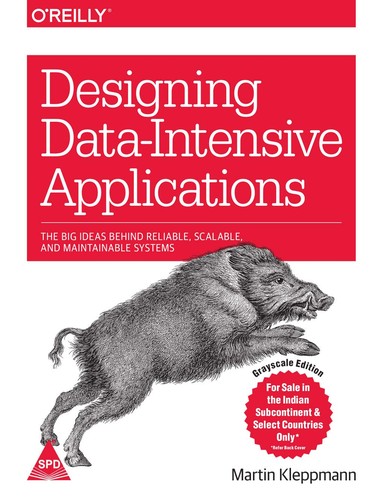
Designing Data-Intensive Applications
Martin Kleppmann · 2017
5.0 · 1 ratingA practical and rigorous guide to building reliable, scalable, and maintainable data systems, this book explores the principles behind modern databases, distributed systems, data processing, and storage technologies. It examines how systems handle challenges such as consistency, fault tolerance, replication, partitioning, and stream processing, helping readers understand the trade-offs behind architectural decisions. Rather than focusing on a single tool or platform, it develops a durable framework for evaluating technologies and designing systems that can evolve with changing demands. Clear, technically informed, and richly comparative, the book is an essential resource for software engineers, architects, and anyone seeking a deeper understanding of data-intensive applications.
- 21

Einstein: His Life and Universe
Walter Isaacson · 2007
4.0 · 1 ratingWalter Isaacson's biography delves into the life and mind of Albert Einstein, revealing the rebellious spirit that fueled both his personal journey and his groundbreaking scientific discoveries. This compelling narrative explores the profound mysteries of the universe that Einstein unlocked, offering insights into his revolutionary theories and their lasting impact. Through vivid storytelling, Isaacson illuminates how Einstein's unique perspective and nonconformist nature shaped his understanding of space, time, and gravity, making complex physics accessible and the man behind the genius relatable.
- 22
Moonwalking with Einstein: The Art and Science of Remembering Everything
Joshua Foer · 2011
Embark on a captivating exploration of the human mind's capacity for memory in this engaging narrative. The author chronicles his year-long journey into the world of "mental athletes," delving into ancient techniques and cutting-edge science to unlock the secrets of remembering. This fascinating account reveals how memory shapes our identity and offers practical insights into enhancing our own cognitive abilities. Prepare to be amazed by the surprising history and profound potential of what we recall.
- 23
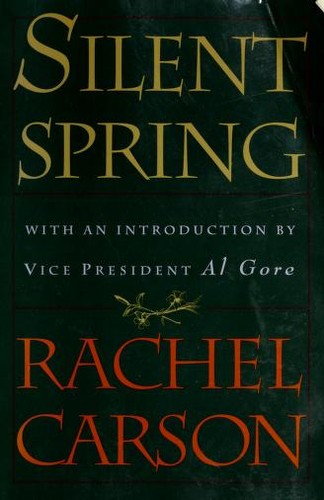
Silent Spring
Rachel Carson · 1962
5.0 · 1 ratingRachel Carson's groundbreaking work exposes the devastating impact of pesticides on the environment and human health. Through meticulous research and eloquent prose, she reveals how the widespread use of synthetic chemicals disrupts the delicate balance of nature, threatening ecosystems and wildlife. This seminal book serves as a powerful call to action, urging readers to reconsider humanity's relationship with the natural world and advocate for more sustainable practices. Silent Spring remains a vital and influential text, inspiring generations to protect the planet from the perils of unchecked chemical pollution.
- 24
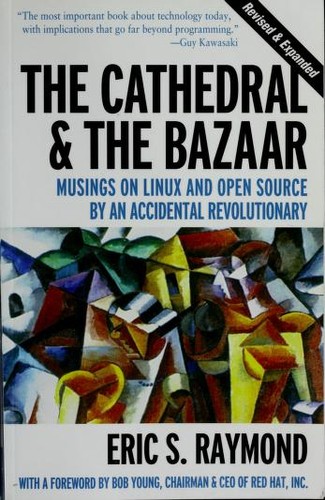
The Cathedral & the Bazaar: Musings on Linux and Open Source by an Accidental Revolutionary
Eric S. Raymond · 1999
5.0 · 1 ratingDrawing on the rise of Linux and the open-source movement, this influential collection of essays examines how software can be created through open collaboration rather than controlled, centralized development. Eric S. Raymond contrasts the “cathedral” model—carefully managed and released by a small group—with the “bazaar” model, where a broad community of users and developers continuously tests, improves, and reshapes a project. Blending practical observations, technological analysis, and economic insight, the book explores innovation, peer production, software quality, and the changing relationship between programmers, businesses, and users. A landmark work in the history of open source, it offers a provocative account of how collaborative culture can transform the information economy.
- 25
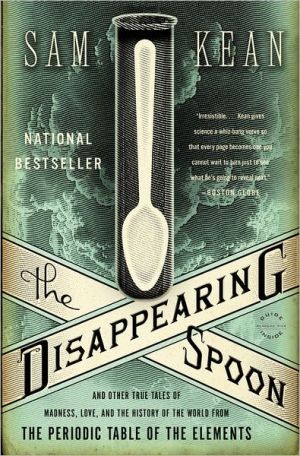
The Disappearing Spoon: And Other True Tales of Madness, Love, and the History of the World from the Periodic Table of the Elements
Sam Kean · 2010
5.0 · 1 ratingEmbark on a captivating journey through the periodic table, where each element tells a story of human history, ambition, and discovery. From the profound impact of lithium on a poet's mind to the bizarre gold rush fueled by tellurium, this book uncovers the hidden narratives behind the building blocks of our universe. Explore tales of mad scientists, unexpected applications, and the profound influence elements have had on art, conflict, and even mythology. It's a vibrant fusion of science and history, revealing the extraordinary lives and secrets of the elements that shape our world.
- 26
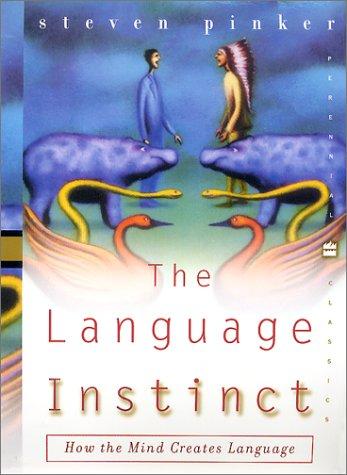
The Language Instinct: How the Mind Creates Language
Steven Pinker · 1994
Steven Pinker's seminal work explores the profound mystery of human language, revealing it not as a cultural invention but as an innate biological instinct. With unparalleled clarity and wit, he delves into how our minds construct language, how children acquire this complex faculty, and the evolutionary forces that shaped it. This captivating exploration examines the intricate workings of grammar, the evolution of language, and the neurological underpinnings of our most defining characteristic. Pinker masterfully synthesizes cutting-edge research with engaging examples, making a compelling case for language as a universal human inheritance.
- 27
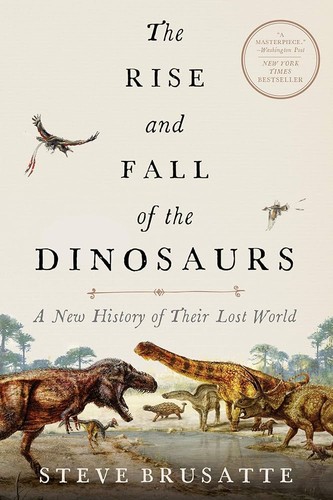
The Rise and Fall of the Dinosaurs
Steve Brusatte · 2018
Embark on an epic journey through 200 million years of history with "The Rise and Fall of the Dinosaurs." This captivating narrative, brought to life by leading paleontologist Steve Brusatte, unveils the complete, surprising, and entirely new story of these magnificent creatures. Drawing on cutting-edge science and extensive fieldwork, the book explores their mysterious origins, their spectacular reign, their astonishing diversity, and their cataclysmic extinction. Discover the latest scientific revelations that dramatically illuminate their lost world and reveal their startling living legacy, offering profound insights into life on Earth.
- 28
The Selfish Gene
Richard Dawkins · 1976
3.0 · 1 ratingRichard Dawkins' seminal work, "The Selfish Gene," presents a revolutionary perspective on evolution, shifting the focus from individual organisms to the genes themselves. This groundbreaking book argues that evolution is best understood as a battle between genes, with organisms serving as mere survival machines for their genetic material. Dawkins masterfully explains complex concepts like kin selection, altruism, and the evolution of cooperation, making them accessible to a broad audience. The book's enduring influence lies in its ability to reframe our understanding of life, challenging conventional wisdom and sparking ongoing scientific and philosophical debate.
- 29

The Sixth Extinction: An Unnatural History
Elizabeth Kolbert · 2014
Elizabeth Kolbert's groundbreaking work takes readers on a profound journey through Earth's history, exploring the five great mass extinction events that have shaped our planet. Drawing on cutting-edge science and extensive fieldwork, she reveals the patterns and causes behind these cataclysmic shifts. Kolbert compellingly argues that we are currently living through a sixth extinction, driven by human activity, and confronts the profound implications of this unprecedented crisis for the future of life on Earth.
- 30
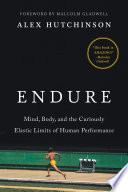
Endure: Mind, Body and the Curiously Elastic Limits of Human Performance
Alex Hutchinson · 2018
5.0 · 1 ratingWhat determines how far the human body can go—and what makes us stop? Drawing on cutting-edge research, unforgettable stories of elite athletes and adventurers, and his own experience as an endurance competitor, Alex Hutchinson investigates the physical and psychological forces that shape performance. From pain and fatigue to motivation, temperature, oxygen, and the brain’s perception of effort, the book explores whether our limits are fixed or surprisingly adaptable. Insightful and thought-provoking, it offers a compelling look at the science of endurance and the extraordinary potential of the human mind and body.
- 31
Fossil Men
Kermit Pattison · 2020
4.0 · 1 ratingAn engrossing account of the groundbreaking discovery of Homo naledi, an ancient human relative found deep within a South African cave. The book follows the scientists, explorers, and volunteers whose determination—and willingness to challenge established assumptions—reshaped the story of human evolution. Blending scientific history, adventure, and vivid character portraits, it explores questions of discovery, collaboration, ambition, and what it means to be human. Accessible and meticulously researched, the narrative brings the high-stakes world of paleoanthropology to life while illuminating how evidence can transform our understanding of the past.
- 32
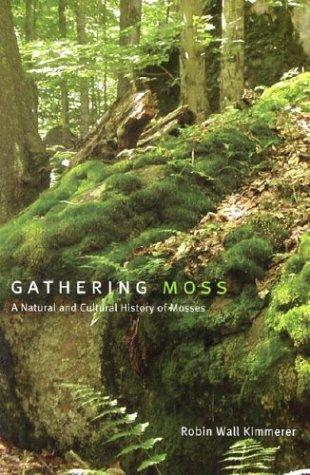
Gathering Moss: A Natural and Cultural History of Mosses
Robin Wall Kimmerer · 2003
In this lyrical blend of natural history, memoir, and cultural reflection, mosses emerge as intricate, resilient organisms with much to reveal about the living world. Through interconnected essays, the author explores moss biology, ecological relationships, and the often-overlooked beauty of small forms of life. Scientific insight is woven together with personal experience and Indigenous perspectives, inviting readers to reconsider how knowledge is gathered and how humans relate to nature. Both accessible and contemplative, the book offers a thoughtful meditation on interdependence, attentiveness, and more reciprocal ways of living.
- 33
If Anyone Builds It, Everyone Dies: Why Superhuman AI Would Kill Us All
Eliezer Yudkowsky · 2025
3.0 · 1 ratingThe race to build superhuman artificial intelligence may be advancing faster than humanity’s ability to control it—and the consequences could be irreversible. Drawing on deep experience in the field, this urgent warning explains why systems far beyond human intelligence might pose an existential threat and why conventional safeguards may not be enough. It examines the technical, ethical, and political challenges surrounding AI development while urging leaders, researchers, and the public to reconsider the assumption that progress must continue at any cost. Clear-eyed and uncompromising, the book is a call to change course before the pursuit of artificial intelligence becomes a threat to human survival.
- 34
Kindred
Rebecca Wragg Sykes · 2020
5.0 · 1 ratingDrawing on decades of archaeological discoveries and cutting-edge scientific research, this book offers an intimate portrait of Neanderthal life across Europe and western Asia. It explores how these resourceful people lived, adapted, cared for one another, created tools and art, and responded to a changing world. By examining fossils, artifacts, landscapes, and traces of behavior, the narrative challenges outdated stereotypes and reveals Neanderthals as complex, capable, and deeply human. Vividly written and rigorously researched, it brings prehistory to life while prompting readers to reconsider what it means to be human.
- 35
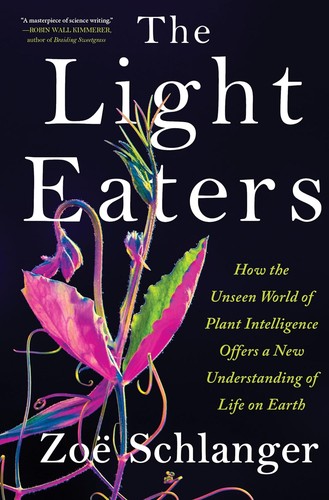
Light Eaters: How the Unseen World of Plant Intelligence Offers ANew Understanding of Life on Earth
Zoë Schlanger · 2024
Plants sense, communicate, remember, learn, and adapt in ways that challenge conventional ideas about intelligence—and their quiet abilities may reshape how we understand life itself. Drawing on cutting-edge research and vivid encounters with scientists and the natural world, this book explores the hidden networks, chemical conversations, and sophisticated behaviors that allow plants to navigate changing environments. It invites readers to reconsider humanity’s place within the living world, illuminating themes of interconnectedness, resilience, evolution, and ecological responsibility. Engaging and deeply reported, it offers a compelling new perspective on the intelligence woven throughout Earth’s ecosystems.
- 36
Lucy
Donald C. Johanson, Maitland Armstrong Edey · 1981
5.0 · 1 ratingThis compelling account recounts the discovery and scientific investigation of “Lucy,” one of the most significant early human ancestors ever found. Set against the landscapes and field camps of Ethiopia, it explores the painstaking work of fossil hunting, excavation, reconstruction, and interpretation that transformed understanding of human evolution. Alongside the excitement of discovery, the book examines debates over Lucy’s place in the human family tree and the challenges of drawing conclusions from fragmentary evidence. Accessible and richly detailed, it brings the science, personalities, and enduring mystery of human origins vividly to life.
- 37
Origin
Jennifer Raff · 2022
5.0 · 1 ratingThis illuminating work explores the deep history of the first peoples of the Americas, drawing on genetics, archaeology, linguistics, and Indigenous knowledge to examine how—and when—humans arrived on the continent. It traces the scientific debates surrounding ancient migration while showing how new discoveries are reshaping long-held assumptions about ancestry, identity, and human origins. Alongside the evidence, the book confronts the ethical challenges of studying Indigenous ancestors and the harmful legacy of colonialism in archaeological and genetic research. Engaging and accessible, it offers a nuanced account of both the science and the people whose histories it seeks to understand.
- 38
Secrets of Sleep Science
Professor Craig Heller · 2013
4.0 · 1 ratingDrawing on the latest research in sleep physiology and neuroscience, this accessible guide explores why we sleep, how sleep affects the body and mind, and what happens when we do not get enough of it. It examines the biological rhythms, brain processes, and environmental factors that shape sleep, while addressing common misconceptions about rest and dreaming. Clear, engaging, and grounded in scientific evidence, the book offers a deeper understanding of sleep’s essential role in health, learning, performance, and everyday life.
- 39

Superintelligence: Paths, Dangers, Strategies
Nick Bostrom · 2014
4.0 · 1 ratingThis influential examination of artificial intelligence explores what might happen if machine intelligence surpasses human reasoning and becomes capable of transforming the world on an unprecedented scale. It considers possible routes to superintelligence—including whole-brain emulation, enhanced collective intelligence, and advanced AI—while assessing the strategic, economic, and ethical challenges each path presents. Through concepts such as intelligence explosions, instrumental convergence, AI containment, and the control problem, the book asks how humanity might preserve its values and influence in a future shaped by machines. Rigorous yet accessible, it is a landmark work on the opportunities, dangers, and long-term stakes of creating minds more powerful than our own.
- 40
100 Plus: How the Coming Age of Longevity Will Change Everything, From Careers and Relationships to Family and Faith
Sonia Arrison · 2011
1.0 · 1 ratingDrawing on advances in biotechnology, medicine, and genetics, this provocative book explores a future in which living past 100 becomes increasingly common. It examines how longer lifespans could transform careers, education, marriage, parenting, retirement, family structures, and religious beliefs. Alongside the opportunities of extended health and productivity, it considers the ethical, economic, and social challenges that accompany radical longevity. Accessible and forward-looking, the book invites readers to rethink what it means to age—and how society must prepare for lives that may unfold across a century or more.
- 41
99 Variations on a Proof
Philip Ording · 2019
3.0 · 1 ratingA single mathematical theorem becomes the subject of 99 radically different proofs, each revealing a new way of thinking about what mathematics can be. Moving through historical, formal, visual, poetic, and imaginative modes—including topology, medieval reasoning, electrostatics, and psychedelia—the book combines rigorous ideas with wit and creative experimentation. Inspired by the literary practice of exploring one story through many styles, it considers mathematics as not only a system of precision but also an art shaped by language, culture, philosophy, and perception. Accessible to curious newcomers and rewarding for experienced mathematicians, this inventive work offers a panoramic view of the discipline’s history, methods, and aesthetic possibilities.
- 42
Analytical Theory of Biological Populations
Alfred J. Lotka · 1939
A foundational work in mathematical biology, this volume develops a rigorous framework for understanding how biological populations grow, interact, and change over time. Using analytical methods, it examines population dynamics, competition, predator–prey relationships, and the broader forces that shape living systems. Clear, systematic, and influential, the book bridges biology, mathematics, and demography while demonstrating how abstract models can illuminate complex natural processes. Its enduring relevance makes it valuable to historians of science, mathematicians, ecologists, and readers interested in the origins of modern population theory.
- 43
Ancient Bones: Unearthing the Astonishing New Story of How We Became Human
Madelaine Böhme, Rüdiger Braun, Florian Breier · 2020
4.0 · 1 ratingDrawing on fossil discoveries, geological evidence, and the latest advances in paleoanthropology, this book revisits the traditional story of human evolution and asks where our earliest ancestors truly emerged. It follows the investigation of ancient bones and other traces of life across Europe and Africa, challenging long-held assumptions about the origins, migrations, and diversification of early hominins. Along the way, it explores how climate change, shifting landscapes, and scientific debate have shaped our understanding of what it means to become human. Engaging and provocative, the book offers a richly detailed account of discovery while presenting its groundbreaking claims as part of an ongoing conversation in evolutionary science.
- 44
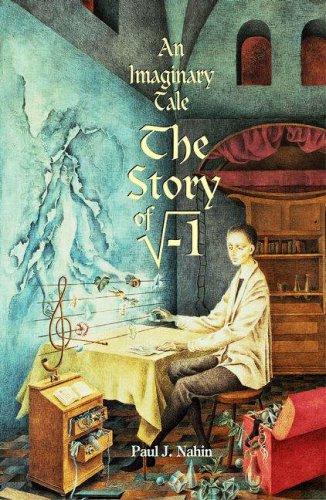
An Imaginary Tale
Paul Nahin · 1998
What began as an apparently impossible question—how to make sense of the square root of a negative number—became one of mathematics’ most powerful ideas. Tracing the development of the imaginary unit i from ancient mathematical puzzles through centuries of skepticism, debate, and discovery, this engaging history introduces the thinkers and problems that helped bring complex numbers into acceptance. Along the way, it shows how these elusive quantities illuminate subjects ranging from geometry and planetary motion to electrical engineering and theoretical physics. Blending mathematical explanation with lively historical storytelling, the book offers an accessible portrait of a concept that transformed both pure and applied mathematics.
- 45
An Introduction to Statistical Learning: with Applications in R (Springer Texts in Statistics)
Gareth James · 2013
This accessible textbook introduces the core ideas and techniques of statistical learning, showing how data can be used to understand relationships, make predictions, and support decision-making across fields such as biology, finance, marketing, and astrophysics. It covers essential methods including linear regression, classification, resampling, regularization, tree-based models, support vector machines, and clustering, using clear explanations, visualizations, and practical examples. Each chapter includes hands-on guidance for applying the methods in R, making the book useful to students, researchers, and practitioners with a basic background in regression. Designed as a welcoming alternative to more mathematically advanced treatments, it connects statistical theory with real-world data analysis.
- 46
Behave
Robert M. Sapolsky · 2017
4.5 · 1 ratingWhy do people act as they do—and how much control do they truly have over their choices? Drawing on neuroscience, psychology, endocrinology, genetics, anthropology, and evolutionary biology, this sweeping exploration traces human behavior from the split-second activity of the brain to the deep forces of culture and natural selection. It examines the roots of aggression, cooperation, tribalism, morality, hierarchy, and violence, revealing how biology and environment continually shape one another. Rigorous yet witty and humane, the book offers a nuanced, deeply humanizing perspective on responsibility, free will, and what it means to understand ourselves.
- 47
Betrayers of the Truth: Fraud and Deceit in the Halls of Science
William J. Broad · 1982
This investigative examination of scientific fraud explores how ambition, competition, professional pressure, and institutional incentives can undermine the pursuit of knowledge. Drawing on documented cases of fabrication, falsification, plagiarism, and deception, it reveals how misconduct can persist within respected laboratories and academic communities. The book also challenges the idealized image of science as a perfectly self-correcting enterprise, while considering the safeguards and skepticism needed to protect its integrity. Compelling and thought-provoking, it offers a probing look at the human institutions behind scientific discovery.
- 48
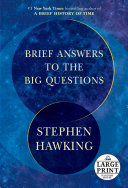
Brief Answers to the Big Questions
Stephen Hawking · 2018
3.0 · 1 ratingDrawing on his extraordinary career in theoretical physics, Stephen Hawking explores ten of the most profound questions confronting humanity, from the origins of the universe and the nature of black holes to the existence of God, the possibility of time travel, life beyond Earth, and the future of our planet. Combining scientific insight with personal reflection, he makes complex ideas accessible while inviting readers to consider how knowledge, technology, and human ingenuity may shape what comes next. The result is an illuminating and deeply curious meditation on existence, discovery, and our place in the cosmos. Completed with the assistance of Hawking’s family, colleagues, and estate, the book stands as a final collection of his most accessible and timely reflections.